

Why Does My lower back hurts when i sit?
lower back pain when i sit is a common problem that can affect people who spend long hours working at a desk, driving, studying, or using electronic devices. While sitting may seem like a low-impact activity, remaining in one position for extended periods can place stress on the muscles, joints, and structures of the spine.
For some people, the discomfort may appear only after sitting for a certain amount of time. Others may experience pain immediately after sitting down or notice that their symptoms become worse as the day progresses. Understanding why sitting can trigger back pain is an important step toward finding effective ways to manage it.
The good news is that simple changes to posture, workstation setup, movement habits, and physical activity may help reduce discomfort. When pain persists or repeatedly returns, professional assessment can help identify potential underlying causes and determine whether additional treatment is appropriate.
Common Causes of Lower Back Pain When I Sit
Lower Back Hurt When Sitting can develop for several reasons, especially when the body remains in the same position for long periods. While occasional discomfort may simply result from muscle fatigue or poor posture, recurring pain can sometimes be linked to underlying musculoskeletal or spinal issues. Understanding the potential causes can help you identify habits that may be contributing to your symptoms and determine when professional assessment may be appropriate. Sitting-related discomfort can also overlap with broader patterns of back and neck pain, particularly when poor posture and prolonged static positions affect multiple areas of the spine.
- Poor Sitting Posture: Slouching, leaning forward, or failing to support the lower back can place additional stress on the spine and surrounding muscles, gradually leading to discomfort.
- Prolonged Sitting: Remaining seated for several hours without changing position can cause muscle fatigue, stiffness, and reduced mobility in the lower back and hips.
- Incorrect Chair or Desk Setup: A chair that does not provide adequate support or a desk that is positioned too high or low can force the body into uncomfortable positions and increase strain on the back.
- Weak Core and Back Muscles: Weak muscles around the abdomen, hips, and back may make it harder to maintain a comfortable posture, particularly during long periods of sitting. Muscle fatigue and prolonged static positions can sometimes contribute to tightness or spasms, and understanding the causes of spasms in the lower back can help identify possible contributing factors.
- Previous Back Injuries: Past strains, sprains, or other injuries can make the back more sensitive to certain positions, causing pain to return or become worse during prolonged sitting.
- Disc or Spinal Problems: Conditions affecting the spinal discs, joints, or other structures may cause pain that becomes more noticeable when sitting, especially when combined with certain postures or movements.
- Limited Physical Activity: A sedentary lifestyle can contribute to reduced flexibility, muscle weakness, and poor physical conditioning, all of which may increase the likelihood of experiencing lower back pain when i sit.
Some spinal conditions, including degenerative disc changes in the lower back, may also contribute to discomfort that becomes more noticeable in certain seated positions.
Why does pain in lower back when i sit?
Sitting changes the way your body distributes weight and places different demands on the spine compared with standing or walking. When you remain seated for a long time, the muscles responsible for supporting your posture may become fatigued.
Poor sitting habits can make this problem worse. Slouching, leaning forward toward a screen, crossing your legs for extended periods, or sitting without adequate lower-back support can affect spinal alignment and increase strain on surrounding tissues.
Another important factor is the lack of movement associated with prolonged sitting. The human body is designed to move regularly. Staying in one position for hours can contribute to stiffness in the lower back, hips, and surrounding muscles.
If your back feels better when you stand or walk but becomes uncomfortable again after sitting, prolonged static positioning may be one of the factors contributing to your symptoms.
Common areas of pain when sitting
Lower Back
Lower back pain is one of the most common areas affected by prolonged sitting. When you remain seated for extended periods, particularly with poor posture or inadequate lumbar support, additional stress can be placed on the muscles and structures around the lumbar spine. You may notice a dull ache, stiffness, or discomfort that gradually becomes worse the longer you sit. The sensation is not always a dull ache; some people experience a burning sensation, which is discussed in more detail in our guide to burning pain in the lower back. Changing position, standing, or walking may temporarily relieve the symptoms, but recurring pain should be assessed to identify the underlying cause.
Upper Back
Upper lower back pain when i sit is often associated with prolonged desk work and poor upper-body posture. Leaning toward a computer, rounding the shoulders, or looking down at a phone can cause the muscles around the neck, shoulders, and upper back to remain under tension for long periods. This may lead to aching, tightness, or discomfort between the shoulder blades, particularly after several hours of sitting. In some cases, upper-back symptoms may also be associated with disc-related problems, so learning about a herniated disc in the upper back can provide additional context.
Middle Back
Middle back pain can develop when the thoracic spine is held in a poorly supported position for an extended period. Slouching or leaning forward while working can increase muscular tension and contribute to stiffness around the middle of the back. Adjusting your sitting position, improving workstation ergonomics, and taking regular movement breaks may help reduce this type of discomfort.
Buttocks and Hips
Although the pain may feel like it is coming from the back, prolonged sitting can also cause discomfort in the buttocks and hips. Keeping the hips bent for long periods may contribute to tightness in the hip muscles, while pressure from the chair can make the buttocks feel sore or uncomfortable. Limited hip mobility may also affect how the pelvis and lower back move while sitting.
Pain That Extends Into the Legs
Sometimes lower back pain when i sit can extend into the buttocks or legs. If this discomfort is accompanied by tingling, numbness, or weakness, it may suggest irritation or involvement of a nerve. When disc-related nerve irritation is suspected, understanding available options for herniated disc treatment may help patients better understand their potential treatment pathway. Persistent or worsening symptoms that travel down the leg should be evaluated by a qualified healthcare professional to determine the underlying cause and appropriate treatment.
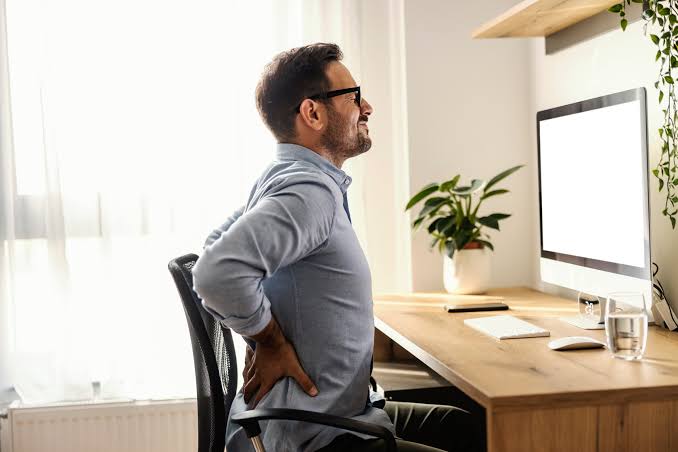
How to Relieve lower back pain when i sit
If you experience lower back pain when i sit, making small changes to your posture, workstation, and daily movement habits may help reduce discomfort. The goal is not only to find a more comfortable sitting position but also to avoid remaining in the same position for too long.
Adjust Your Sitting Position
Try to maintain a comfortable, supported posture rather than slouching or leaning forward. Finding the right sitting posture can make a significant difference, so learning about the best sitting position for lower back pain can help you create a more supportive setup. Keep your back supported by the chair, your shoulders relaxed, and your feet comfortably supported on the floor. Avoid twisting your body or sitting in the same position for extended periods.
Use Proper Lumbar Support
Adequate lumbar support can help maintain the natural curve of your lower back while sitting. If your chair does not provide enough support, an appropriate lumbar cushion may improve comfort. The support should feel comfortable without pushing your lower back into an unnatural position.
Take Regular Movement Breaks
One of the most effective ways to reduce discomfort associated with prolonged sitting is to move regularly. Stand up, walk around, or perform gentle mobility movements throughout the day. Short, frequent breaks can help reduce stiffness and prevent your back muscles from becoming fatigued.
Adjust Your Desk and Monitor
An improperly positioned workstation can encourage you to lean forward or hunch your shoulders. Keep your monitor at a comfortable height and position your keyboard and mouse within easy reach. Your chair and desk should allow you to work without excessive bending, reaching, or twisting.
Try Gentle Stretches
Gentle stretching can help relieve stiffness caused by prolonged sitting. Depending on your condition, stretches targeting the lower back, hips, hamstrings, and surrounding muscles may improve flexibility and movement. Avoid forcing any stretch, especially if it increases your pain.
Stay Physically Active
Regular physical activity can help maintain the strength and flexibility needed to support your spine. Walking, appropriate strengthening exercises, and mobility activities can be incorporated into your routine to counteract the effects of prolonged sitting. If your pain persists or worsens, consider getting a professional assessment before starting a new exercise program.
Exercises for lower back hurts when i sit
Exercise can play an important role in supporting spinal health. However, exercises should be selected according to your individual condition.
Hip Flexor Stretches
The hip flexors remain in a shortened position when the hips are bent during sitting. Gentle hip mobility exercises may help maintain flexibility.
Hamstring Stretches
The hamstrings influence movement around the hips and pelvis. Maintaining flexibility in these muscles can support comfortable movement.
Core Strengthening Exercises
The abdominal and back muscles help support the spine during everyday activities. Strengthening these muscles may improve overall stability and physical function.
Mobility Exercises
Gentle mobility movements can help counteract the stiffness associated with prolonged sitting. Gentle mobility exercises such as a back arch stretch may also be useful for maintaining comfortable spinal movement when performed appropriately. Simple movements involving the hips, spine, and shoulders can be incorporated into regular breaks.
If exercise increases your symptoms significantly, stop and seek appropriate professional advice.
How Chiropractic Care May Help With lower back pain when i sit
Chiropractic care may be appropriate for certain types of musculoskeletal back pain. Treatment begins with an assessment designed to understand the patient’s symptoms, movement patterns, and physical limitations. Depending on the assessment, hands-on approaches such as back manipulation may be considered when appropriate for the individual’s condition.
Depending on the individual’s condition, care may include chiropractic adjustments, soft tissue techniques, mobility exercises, strengthening exercises, and practical recommendations for posture and ergonomics. If you are considering chiropractic care, learning more about what a chiropractor can do can help you understand the different approaches that may be used.
The objective is to address contributing factors rather than simply focusing on temporary symptom relief.
For someone whose back pain is closely associated with prolonged sitting, this may include reviewing their workstation, sitting habits, physical activity, and movement patterns.
How to Prevent lower back pain when setting
Preventing sitting-related back pain often requires a combination of better movement habits and a supportive environment.
- Change positions regularly: Avoid remaining in the same position for extended periods.
- Improve your posture: Keep your spine comfortably supported without forcing yourself into a rigid position.
- Use an ergonomic chair: Choose a chair that provides adequate support and allows your feet to rest comfortably.
- Adjust your workstation: Position your monitor, keyboard, and mouse to reduce unnecessary bending and reaching.
- Stay physically active: Regular activity can support strength, mobility, and overall back function.
- Strengthen your core: Strong supporting muscles can help you perform everyday movements more efficiently.
- Stretch regularly: Gentle mobility work can help reduce stiffness associated with prolonged sitting.
- Take movement breaks: Stand, walk, and move throughout the workday rather than waiting for discomfort to develop.
- Use proper lifting techniques: Protect your back during activities that involve lifting, carrying, or moving objects.
Why Choose Wave Chiropractic & Wellness for Back Pain?
If you regularly experience lower back pain when i sit, identifying the factors contributing to your discomfort can be an important part of finding an effective solution. Wave Chiropractic & Wellness takes an individualized approach to chiropractic care, focusing on each patient’s symptoms, movement, and physical needs.
A professional assessment can help identify potential musculoskeletal factors associated with your discomfort. Depending on the assessment, treatment may incorporate chiropractic techniques, mobility work, exercises, and guidance designed to support healthier movement patterns.
For people whose back pain is connected to prolonged desk work, sitting habits, or limited mobility, addressing daily routines can be an important part of the overall approach. The aim is to help patients improve movement and function while developing practical habits that support their long-term back health.
Frequently Asked Questions
Why does my back hurt when I sit but not when I stand?
Back pain that occurs mainly while sitting may be related to poor posture, prolonged sitting, muscle fatigue, or increased stress on certain areas of the spine. Standing and walking change the pressure and movement patterns around the back, which may explain why your symptoms improve when you get up.
Why does sitting make my lower back pain worse?
Sitting for long periods can increase pressure on the lower back, especially when you slouch or lack proper lumbar support. Staying in one position can also cause muscle stiffness and fatigue, making existing lower back pain feel worse over time.
Is sitting bad for your back?
Sitting is not necessarily bad for your back, but prolonged sitting without movement or proper support can contribute to discomfort and stiffness. Maintaining good posture, changing positions regularly, taking movement breaks, and staying physically active can help support better back health.
How can I sit without hurting my back?
To sit more comfortably, use a supportive chair, keep your feet supported, maintain a relaxed posture, and position your screen and keyboard appropriately. Avoid sitting continuously for long periods and take regular breaks to stand, walk, or gently move your back and hips.
Should I use a cushion for lower back pain when i sit?
A lumbar cushion may provide additional support if your chair does not adequately support the natural curve of your lower back. However, it should be used alongside good posture, regular movement, and an ergonomic workstation rather than as the only solution for back pain.
Can a chiropractor help with lower back pain when i sit?
A chiropractor may help identify and manage certain musculoskeletal causes of back pain associated with sitting. Depending on your condition, treatment may include chiropractic techniques, soft tissue therapy, exercises, mobility work, and guidance on posture and ergonomics.
Conclusion
lower back pain when i sit can result from several factors, including poor posture, prolonged periods of sitting, an unsuitable workstation, muscle weakness, previous injuries, or certain spinal conditions. Understanding the potential cause is an important first step toward managing the problem effectively. Treatment frequency depends on the individual’s symptoms and response to care. Patients considering ongoing chiropractic treatment can also learn more about how often you should go to the chiropractor.
Improving your sitting position, using appropriate lumbar support, adjusting your workstation, taking regular movement breaks, and staying physically active can all contribute to better back health. Gentle stretching and strengthening exercises may also support mobility and physical function when they are appropriate for your condition.
If your back pain continues, repeatedly returns, or interferes with your work and daily activities, professional assessment may be helpful. A qualified chiropractor can evaluate your movement and musculoskeletal health and determine whether chiropractic care is appropriate for your situation.
With the right combination of professional guidance and healthier daily habits, it may be possible to reduce the impact of sitting-related back pain and support better long-term movement and comfort.

Elemmentor Box
Dr. Hussein
Chiropractor & Director
Is an esteemed chiropractor renowned for his innovative approach to chronic pain management and the transformative power of chiropractic care on brain function
Recent Posts
Disc Problems: Causes, Symptoms, and Treatment Options
8 Famous People With Herniated Discs and Lower Back Disc Injuries
How to Sleep With Sciatica: Best Sleeping Positions and Pain Relief Tips
Categories