Back Arch Stretch: A Simple Exercise to Improve Flexibility and Mobility
The back arch stretch is a simple yet highly effective movement designed to improve spinal mobility, flexibility, and overall posture. Whether you spend long hours sitting at a desk, participate in sports, or simply want to maintain a healthy spine, incorporating a back arch stretch into your routine can provide significant benefits.
Modern lifestyles often involve prolonged sitting, poor posture, and limited movement, all of which can contribute to stiffness and reduced mobility in the spine. A well-executed back arching stretch helps counteract these effects by encouraging spinal extension, opening the chest, and improving movement throughout the back and shoulders.
Many people use the back arch stretch as part of a warm-up, cool-down, yoga practice, or rehabilitation program. While it can help reduce mild muscle tension and improve flexibility, proper technique is essential to ensure safety and effectiveness. If you’re experiencing ongoing spinal discomfort, explore our complete guide on back and neck pain to understand common causes and treatment options.
In this guide, we’ll explore the benefits of the back arch stretch, the muscles it targets, proper technique, common mistakes, and when this exercise can be most beneficial.
What Is a Back Arch Stretch?
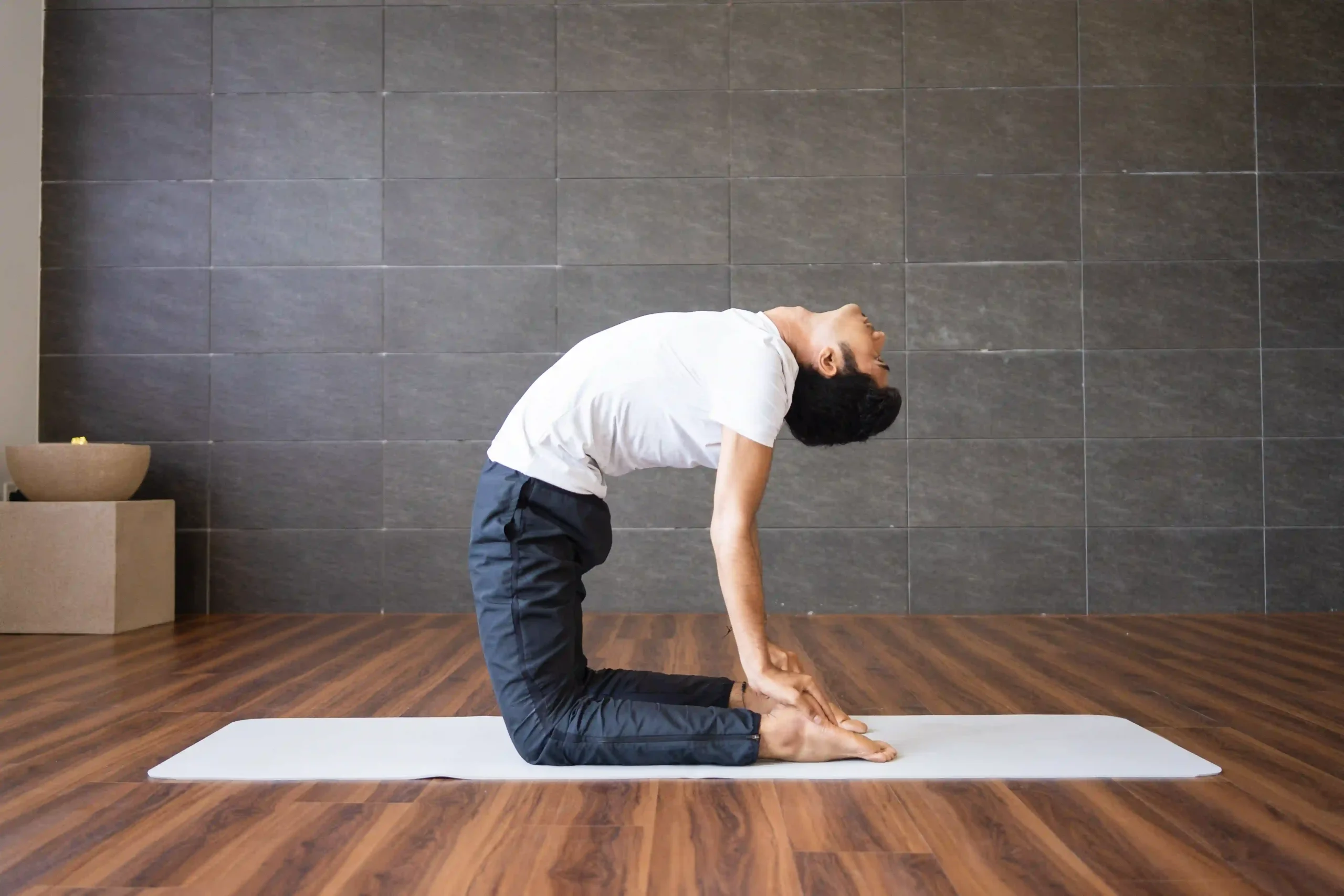
A back arch stretch is a movement that involves gently extending the spine backward to create an arch through the back. This type of stretch is designed to improve spinal mobility, increase flexibility, and help counteract the effects of prolonged sitting and poor posture. It is commonly used in fitness routines, yoga practices, rehabilitation programs, and daily mobility exercises.
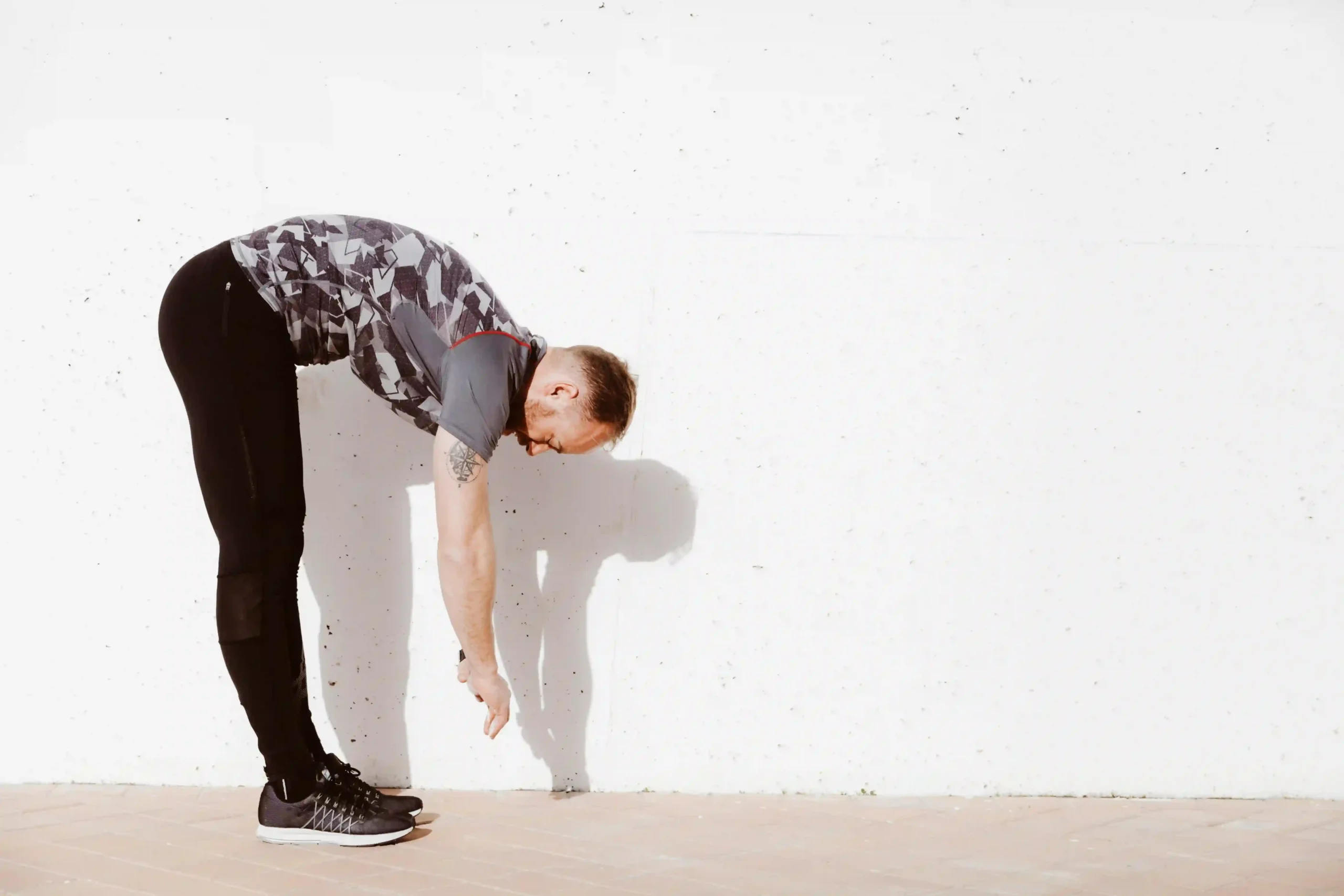
Unlike forward-bending stretches that place the spine in flexion, a back arch stretch moves the spine into extension. This motion helps restore balance to the body, especially for individuals who spend much of their day sitting at a desk, driving, or looking down at electronic devices.
The movement can be performed in several positions, including standing, kneeling, lying on the floor, or through yoga poses such as Cobra Pose and Camel Pose. Depending on the variation, a back arch stretch may target the lower back, middle back, chest, shoulders, hip flexors, and abdominal muscles.
During the stretch, the muscles along the spine—particularly the erector spinae—work to support the movement, while the muscles at the front of the body experience a gentle lengthening effect. This combination of activation and stretching can help improve overall mobility and posture.
When performed correctly, a back arch stretch can be a valuable addition to a flexibility routine, helping maintain healthy spinal movement and reduce feelings of stiffness throughout the back and upper body. However, it should always be done in a controlled manner and within a comfortable range of motion to avoid unnecessary strain on the spine.
How the Back Arch Stretch Works
The back arch stretch works through a combination of spinal extension, muscle activation, and tissue elongation. When performed correctly, the movement encourages the body to move in the opposite direction of the forward-flexed positions commonly adopted throughout the day.
1. Promotes Spinal Extension
The back arch stretch primarily works by moving the spine into extension, which means gently bending the back backward. Throughout the day, many people spend hours sitting, looking at screens, driving, or performing activities that place the spine in a forward-flexed position. Over time, this can limit the spine’s ability to move comfortably in the opposite direction. By encouraging spinal extension, the back arch stretch helps restore balance to the spine’s natural movement patterns and promotes healthier overall mobility.
2. Mobilizes the Spinal Joints
The spine consists of multiple vertebrae connected by joints that allow movement and flexibility. During a back arch stretch, these joints move through their extension range of motion, helping reduce stiffness that can develop from inactivity or repetitive postures. Regular movement of the spinal joints helps maintain their function and may improve the body’s ability to bend, twist, and move comfortably during daily activities.
3. Activates the Back Muscles
As the body moves into a back arch position, the muscles that support the spine become active. The erector spinae muscles, which run along both sides of the spine, work to control and stabilize the movement. Other muscles, including the multifidus and gluteal muscles, may also contribute depending on the variation being performed. This muscular engagement not only supports the spine during the stretch but also helps improve strength, stability, and body control over time.
4. Stretches the Front of the Body
One of the key effects of a back arch stretch is the gentle lengthening of muscles located at the front of the body. As the chest opens and the spine extends backward, the abdominal muscles, hip flexors, and chest muscles are stretched. These areas often become tight due to prolonged sitting and poor posture. By regularly stretching these muscles, individuals may experience improved flexibility and reduced feelings of tightness throughout the torso and hips.
5. Improves Thoracic Spine Mobility
The thoracic spine, located in the upper and middle back, plays a crucial role in posture and movement. Unfortunately, this area often becomes stiff because of long hours spent sitting and working at a desk. A properly performed back arch stretch encourages movement through the thoracic region, helping restore mobility where it is commonly lost. Improved thoracic mobility can make everyday movements feel easier and may contribute to better posture and shoulder function. Limited spinal mobility may also contribute to discomfort in the lower back. Learn more about burning pain in the lower back and the conditions that may cause it.
6. Influences Connective Tissues
In addition to muscles and joints, the back arch stretch also affects connective tissues such as fascia, ligaments, and joint capsules. These tissues help support the spine and allow smooth movement between structures. Gentle stretching places controlled tension on these tissues, which may help maintain their flexibility and adaptability. Over time, this can contribute to healthier movement patterns and improved overall spinal function.
7. Encourages Better Postural Awareness
Many people are unaware of their posture throughout the day until discomfort develops. Performing a back arch stretch regularly helps increase awareness of spinal positioning and alignment. By experiencing the contrast between a rounded posture and an extended posture, individuals can become more conscious of how they sit, stand, and move. This increased awareness often serves as the first step toward developing healthier postural habits.
8. Supports Natural Movement Patterns
The human spine is designed to move in several directions, including flexion, extension, rotation, and side bending. However, modern lifestyles tend to emphasize forward bending movements while limiting extension. The back arch stretch helps restore this important movement pattern by encouraging the spine to move through its full range of motion. Maintaining balanced movement capabilities is essential for long-term mobility, flexibility, and functional performance.
9. Enhances Circulation to Working Muscles
Movement naturally increases blood flow to the muscles and soft tissues surrounding the spine. During a back arch stretch, circulation improves as muscles contract and relax throughout the movement. Enhanced blood flow delivers oxygen and nutrients to tissues while helping remove metabolic waste products. This process may contribute to reduced stiffness and improved tissue health, especially after long periods of inactivity. Chiropractic care often combines stretching with hands-on treatment. Learn what a chiropractor does and how personalized care plans support long-term spinal health.
10. Complements Chiropractic and Mobility Programs
Back arch stretches are often incorporated into chiropractic care, rehabilitation programs, and mobility routines because they encourage controlled spinal movement. When combined with strengthening exercises, posture correction strategies, and professional guidance, they can support overall spinal health and function. As part of a comprehensive movement program, the back arch stretch may help individuals maintain flexibility, improve mobility, and move more comfortably during everyday activities.
Benefits of the Back Arch Stretch
Improves Spinal Mobility
The back arch stretch encourages the spine to move through its natural extension range of motion. This can help maintain flexibility in the spinal joints and support smoother movement patterns.
Reduces Muscle Stiffness
Regularly performing this stretch can help loosen tight muscles in the back, chest, and hips. It is especially beneficial for people who spend long hours sitting or remaining inactive.
Helps Counteract Prolonged Sitting
The movement places the spine in the opposite position of a slouched sitting posture. This can help relieve stiffness and restore balance to muscles affected by extended desk work.
Enhances Posture Awareness
Practicing the back arch stretch helps individuals become more aware of their spinal alignment. Increased body awareness can encourage healthier posture habits throughout the day.
Supports Flexibility in the Back and Shoulders
This stretch targets multiple muscle groups that contribute to mobility and posture. Improved flexibility in these areas can make everyday movements feel easier and more comfortable.
May Help Relieve Mild Back Tension
By gently stretching the muscles surrounding the spine, the back arch stretch can help reduce feelings of tightness. It may also promote relaxation and temporary relief from mild muscular tension. If muscle tightness is accompanied by sudden contractions, read more about the causes of lower back spasms and when professional care may be needed.
Muscles Targeted During a Back Arch Stretch
Erector Spinae
The erector spinae muscles run along both sides of the spine and play a crucial role in spinal extension.
During a back arch stretch, these muscles become active to support and control the movement.
Strengthening and mobilizing these muscles can contribute to better posture and spinal stability.
Abdominal Muscles
The abdominal muscles experience a gentle stretch as the spine extends backward.
These muscles include:
- Rectus abdominis
- Internal obliques
- External obliques
- Transverse abdominis
Maintaining flexibility in the abdominal region can support overall movement quality.
Hip Flexors
Tight hip flexors are common among individuals who sit frequently. Persistent stiffness may sometimes be associated with underlying spinal conditions. Learn more about degenerative disc disease in the lower back and how it can affect mobility.
Many back arching stretch variations help lengthen the:
- Iliopsoas
- Rectus femoris
- Tensor fasciae latae
Improved hip flexibility may reduce stress on the lower back and pelvis.
Chest and Shoulder Muscles
The chest and shoulders often become tight from prolonged sitting and forward-reaching activities.
A back arch stretch can help lengthen:
- Pectoralis major
- Pectoralis minor
- Anterior deltoids
This contributes to improved upper-body posture and mobility.
Gluteal Muscles
Depending on the variation used, the gluteal muscles may help stabilize the pelvis during the movement.
Strong and coordinated glutes support spinal alignment and overall movement efficiency.
How to Perform a Back Arch Stretch Correctly
1. Start in a Comfortable Position
Begin by lying face down on an exercise mat or other comfortable surface. Keep your legs extended behind you and place your hands underneath your shoulders, similar to the starting position of a push-up.
2. Engage Your Core Muscles
Before lifting your upper body, gently tighten your abdominal muscles. This helps support the spine during the movement and promotes better control throughout the stretch.
3. Slowly Lift Your Chest
Press through your hands and gradually raise your chest off the floor. Keep your hips and lower body relaxed while allowing your spine to move into a comfortable arch.
4. Open the Chest and Shoulders
As you lift, draw your shoulders back and down rather than shrugging them toward your ears. This helps create a deeper stretch across the chest and encourages better posture.
5. Hold the Position Briefly
Maintain the stretch for 10 to 30 seconds while breathing slowly and evenly. Avoid forcing the movement or pushing beyond a comfortable range of motion.
6. Return to the Starting Position
Lower your chest back to the floor in a slow and controlled manner. Rest briefly before repeating the stretch if recommended by your healthcare professional.
7. Repeat as Needed
Perform 2 to 5 repetitions depending on your flexibility and comfort level. Consistent practice can help improve spinal mobility and reduce postural stiffness over time.
When Should You Use a Back Arch Stretch?
After Long Periods of Sitting
A back arch stretch can be particularly beneficial after spending hours at a desk, driving, or sitting on the couch. The movement helps counteract the forward-flexed posture that often develops during prolonged sitting. If you’re looking for additional ways to reduce back discomfort, check out our guide to the best sitting position for lower back pain and improve your daily posture.
When Experiencing Postural Tightness
If your chest feels tight or your upper back feels stiff from poor posture, this stretch may help restore mobility. It encourages the spine and surrounding muscles to move through a healthier range of motion.
As Part of a Warm-Up Routine
Many people include the back arch stretch before exercise to prepare the spine and surrounding muscles for movement. It can help improve flexibility and increase body awareness before physical activity.
During a Mobility or Flexibility Program
The stretch is often used as part of a broader mobility routine designed to improve spinal movement. Regular practice may help maintain flexibility and reduce stiffness over time.
Following Gentle Physical Activity
After walking, light exercise, or rehabilitation exercises, a back arch stretch can help relax tight muscles and promote recovery. It may also improve circulation to the tissues surrounding the spine.
Under Professional Guidance for Back Health
Healthcare professionals, including chiropractors and physiotherapists, may recommend the back arch stretch as part of an individualized care plan. At Wave Chiropractic & Wellness Clinic, stretches and exercises are often tailored to each patient’s condition, mobility level, and treatment goals.
Common Mistakes When Performing a Back Arch Stretch
Several common mistakes can reduce effectiveness or increase the risk of discomfort.
Overextending the Lower Back
Many people perform the movement almost entirely through the lumbar spine.
Instead, focus on distributing the extension throughout the entire spine.
Holding the Breath
Breathing should remain relaxed and controlled.
Holding your breath can increase tension and reduce the quality of the stretch.
Moving Too Quickly
Rapid movements can place unnecessary stress on the joints and muscles.
Move slowly and deliberately to maintain control.
Ignoring Pain Signals
Stretching should create mild tension, not pain.
Stop immediately if you experience:
- Sharp pain
- Numbness
- Tingling
- Radiating symptoms
Poor Body Positioning
Incorrect posture during the exercise may reduce benefits and increase strain.
Pay attention to:
- Core engagement
- Pelvic alignment
- Shoulder position
- Neck posture
Who Should Avoid or Modify Back Arch Stretches?
While the back arch stretch can be beneficial for many people, it may not be appropriate for everyone. Individuals with certain spinal conditions, such as severe spinal stenosis, advanced arthritis, spondylolisthesis, or acute disc injuries, should use caution when performing extension-based exercises. Moving into a deep back arch may aggravate symptoms in some cases, making it important to seek professional advice before adding the stretch to a routine. Individuals with disc-related conditions should seek professional advice before performing extension exercises. Learn more about herniated disc treatment and conservative management options.
Pregnant women, individuals recovering from recent surgery, or those experiencing significant back pain should also consider modifying the exercise. A healthcare professional, chiropractor, or physiotherapist can recommend safer alternatives and ensure the movement is performed correctly. At Wave Chiropractic & Wellness Clinic, exercise recommendations are tailored to each person’s condition, mobility level, and overall treatment goals to promote safe and effective recovery.
How wave Clinic Australia Can Help with Back Mobility and Flexibility
At Wave Chiropractic & Wellness, improving back mobility and flexibility starts with a comprehensive assessment to identify the underlying causes of stiffness, restricted movement, and discomfort. The team takes a personalized approach, evaluating posture, spinal alignment, muscle function, and movement patterns to develop a treatment plan tailored to each patient’s specific needs and goals.
Treatment may include gentle chiropractic adjustments designed to improve joint mobility and restore proper spinal function. By addressing areas of restriction within the spine and surrounding joints, chiropractic care can help the body move more efficiently while supporting overall flexibility and comfort.
In addition to chiropractic adjustments, patients may receive targeted mobility exercises and stretching recommendations, including movements such as the back arch stretch when appropriate. These exercises are selected to improve flexibility, strengthen supporting muscles, and encourage healthier movement patterns that can help prevent recurring stiffness.
Wave Chiropractic & Wellness also focuses on posture correction and ergonomic education. Whether poor posture is related to desk work, prolonged sitting, or daily habits, patients receive practical guidance to improve body mechanics and reduce unnecessary stress on the spine.
Through a combination of hands-on care, exercise therapy, and individualized rehabilitation strategies, Wave Chiropractic & Wellness helps patients improve spinal mobility, enhance flexibility, and support long-term musculoskeletal health.
Conclusion
The back arch stretch is a simple yet highly effective exercise for improving spinal mobility, flexibility, and posture awareness. By encouraging spinal extension, this movement helps counteract the effects of prolonged sitting, reduce muscle stiffness, and support healthy movement patterns. If poor spinal mobility is contributing to discomfort, you may also benefit from learning about back manipulation and how it may improve movement and joint function.
Like any exercise, proper technique is essential. Focusing on controlled movement, appropriate progression, and good body awareness can help maximize benefits while minimizing the risk of discomfort.
For best results, combine stretching with strengthening exercises that support posture, spinal stability, and overall mobility.
If you continue to experience back pain, stiffness, or movement limitations, consider seeking professional guidance. A personalized assessment can help identify the most effective strategies for improving spinal health and long-term function.
Ready to improve your mobility and posture? Book an assessment with Waleness Clinic Australia and take the first step toward better movement and spinal wellness.
FAQ
Is a back arch stretch good for lower back pain?
A lower back arch stretch may help relieve mild muscular tension for some individuals. However, the effectiveness depends on the underlying cause of the pain. Individuals with persistent or severe symptoms should seek professional evaluation.
How long should I hold a back arch stretch?
Most people benefit from holding the stretch for 10 to 30 seconds, depending on their goals and comfort level.
Can a back arch stretch improve posture?
Yes. The stretch may improve mobility and posture awareness, especially when combined with strengthening exercises and healthy movement habits.
How often should I perform back arch stretches?
Many individuals can safely perform the exercise daily. Consistency is often more beneficial than intensity.
Are back arch stretches safe for beginners?
Yes. Beginner-friendly modifications make the exercise accessible for most people when performed with proper technique.
What is the difference between a back arch stretch and a backbend?
A back arch stretch generally involves a gentle spinal extension movement, while a backbend typically refers to a deeper and more advanced flexibility exercise.

Elemmentor Box
Dr. Hussein
Chiropractor & Director
Is an esteemed chiropractor renowned for his innovative approach to chronic pain management and the transformative power of chiropractic care on brain function
Recent Posts
Disc Problems: Causes, Symptoms, and Treatment Options
8 Famous People With Herniated Discs and Lower Back Disc Injuries
How to Sleep With Sciatica: Best Sleeping Positions and Pain Relief Tips
Categories