Herniated Disc Treatment: Understanding Your Options for Recovery and Pain Relief
A herniated disc is one of the most common causes of back pain, neck pain, and nerve-related symptoms. Whether it is referred to as a slipped disc, ruptured disc, protruding disc, or vertebral disk herniation, the condition can significantly affect daily activities and overall quality of life.
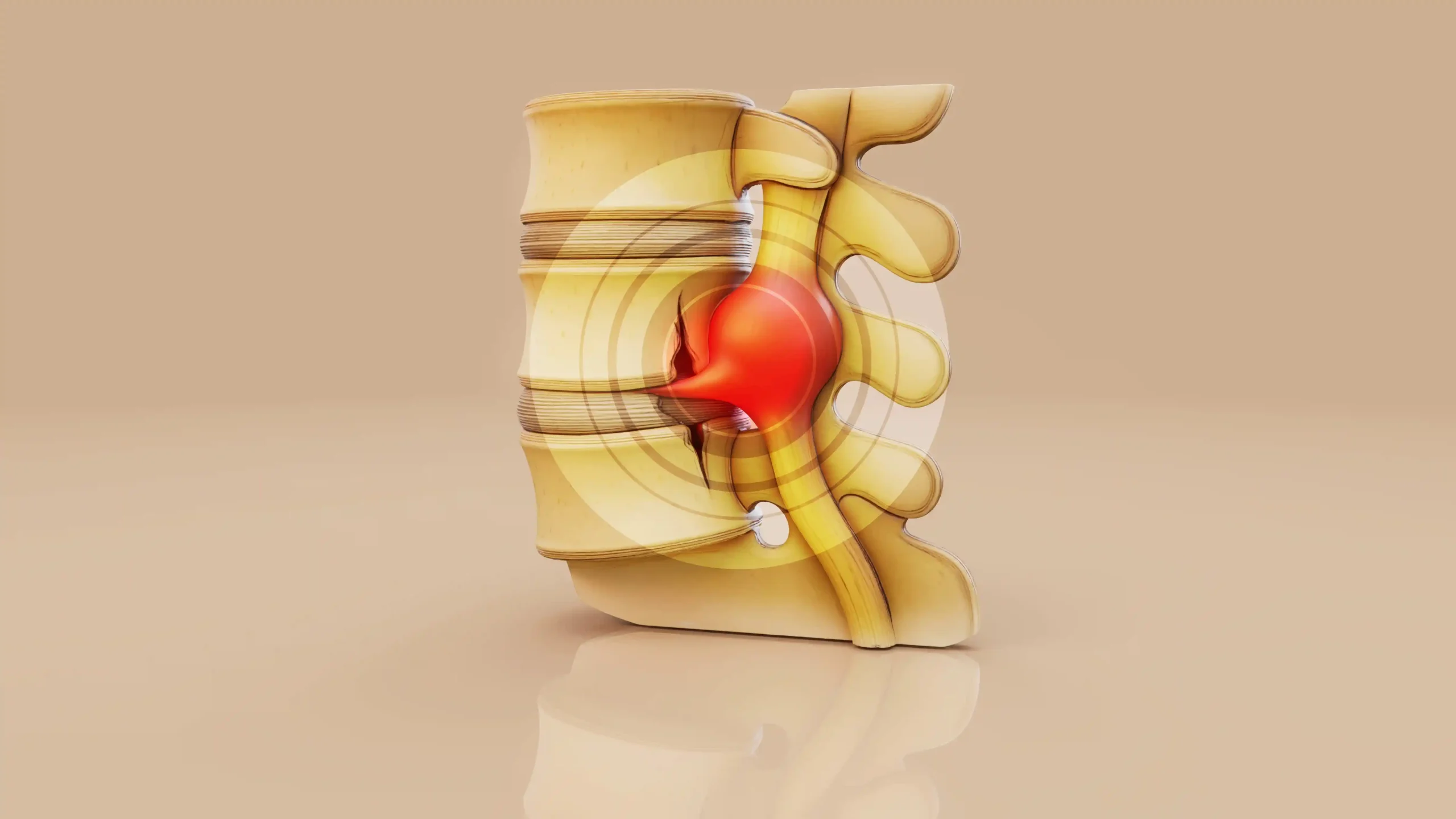
The spine is made up of a series of bones called vertebrae, separated by soft cushions known as spinal discs. These discs act as shock absorbers, helping the spine remain flexible while protecting it from excessive stress. When a disc becomes damaged and its inner material pushes outward, it can place pressure on nearby nerves and cause discomfort.
Many people worry that a herniated disc automatically requires surgery. However, modern herniated disc treatment often begins with conservative approaches designed to reduce pain, improve mobility, and support the body’s natural healing process. In fact, many individuals experience meaningful improvement without surgical intervention.
This guide explores the causes, symptoms, diagnosis, and treatment options available for herniated discs, including approaches for bulging discs in the neck, bulging discs in the lower back, and slipped discs affecting other regions of the spine. While disc injuries can occur anywhere along the spine, symptoms vary depending on the affected region. Learn more about back and neck pain treatment and the conservative care options available for different spinal conditions.
What Is a Herniated Disc?
A herniated disc is a spinal condition that occurs when the soft inner material of a spinal disc pushes through a weakened or torn area of the disc’s outer layer. Spinal discs act as cushions between the vertebrae, helping absorb shock and allowing the spine to move comfortably. When a disc becomes damaged, the displaced material may irritate or compress nearby nerves, leading to pain, numbness, tingling, or weakness.
A herniated disc can develop in any part of the spine but is most commonly found in the lower back (lumbar spine) and neck (cervical spine). Depending on the severity and location of the injury, symptoms may range from mild discomfort to significant pain that affects daily activities.
Understanding the Difference Between a Bulging Disc and a Herniated Disc
The terms bulging disc and herniated disc are often used interchangeably, but they are not exactly the same. A bulging disc occurs when the disc extends beyond its normal boundaries while remaining intact. A herniated disc develops when the outer layer tears, allowing the inner gel-like material to protrude outward.
Both conditions can place pressure on nearby nerves and contribute to symptoms such as back pain, neck pain, or sciatica.
Common Areas Affected by Herniated Discs
A herniated disc may occur in several regions of the spine, including:
- Lumbar spine (lower back): Often associated with lower back pain, leg pain, and sciatica.
- Cervical spine (neck): May cause neck pain, shoulder discomfort, and symptoms that radiate into the arms.
- Thoracic spine (upper back): Less common but can contribute to mid-back pain and discomfort around the ribs or chest.
Understanding how a herniated disc develops can help individuals recognize symptoms early and seek appropriate treatment when necessary.
Common Causes of Herniated Discs
A herniated disc can develop for several reasons, ranging from natural age-related changes to sudden injuries. In many cases, disc problems occur gradually as the spinal structures experience wear and tear over time. Understanding the common causes can help individuals take steps to protect their spinal health and reduce the risk of future injury.
Age-Related Disc Degeneration
One of the leading causes of herniated discs is the natural aging process. As people get older, spinal discs gradually lose water content and elasticity, making them less flexible and more prone to tearing or bulging. This age-related degeneration increases the likelihood of disc injuries, particularly in the neck and lower back.
Repetitive Lifting and Physical Strain
Jobs and activities that involve frequent lifting, bending, twisting, or carrying heavy loads can place significant stress on the spine. Over time, repetitive strain may weaken the outer layer of a disc, increasing the risk of a herniation. Individuals working in physically demanding occupations often face a higher risk of developing disc-related problems.
Poor Posture
Poor posture can place excessive pressure on the spinal discs, especially during prolonged sitting. Slouching, forward head posture, and improper workstation setup may contribute to uneven stress on the spine and accelerate disc degeneration. Maintaining proper posture is an important part of supporting long-term spinal health. Poor posture doesn’t only affect the upper back—it can also contribute to neck stiffness and chronic discomfort. Read about the common causes of neck pain and how improving posture supports spinal health.
Sudden Injuries and Accidents
Traumatic events such as falls, sports injuries, or motor vehicle accidents can cause a disc to herniate suddenly. A forceful impact or unexpected twisting motion may damage the disc’s outer layer, allowing the inner material to protrude and potentially compress nearby nerves.
Excess Body Weight
Carrying excess weight places additional pressure on the spine, particularly in the lumbar region. Increased spinal loading can accelerate disc wear and contribute to conditions such as lumbar disc disease, bulging discs, and herniated discs.
Sedentary Lifestyle
Lack of regular physical activity may weaken the muscles that support the spine. Poor muscle strength and reduced flexibility can increase stress on spinal discs and make the back more vulnerable to injury. Regular movement and exercise help maintain spinal stability and overall musculoskeletal health.
Smoking
Research has shown that smoking may negatively affect disc health by reducing blood flow and limiting the delivery of nutrients to spinal tissues. This can accelerate disc degeneration and increase the risk of developing a herniated disc.
Genetic Factors
Some individuals may have a genetic predisposition to disc degeneration and spinal conditions. Family history can influence how quickly discs age and how susceptible they are to injury, even when lifestyle factors are well managed. Sitting for long periods with poor ergonomics increases stress throughout the spine. Discover the best sitting position for lower back pain to help maintain healthy spinal alignment.
While not all herniated discs can be prevented, maintaining a healthy lifestyle, staying active, practicing good posture, and using proper lifting techniques can help reduce stress on the spine and support long-term back health.
Symptoms of a Herniated Disc
The symptoms of a herniated disc can vary depending on the location of the affected disc and whether nearby nerves are being compressed. Some individuals experience only mild discomfort, while others develop significant pain, numbness, or weakness that interferes with daily activities. In some cases, a herniated disc may cause no symptoms at all and is only discovered during diagnostic imaging. Thoracic disc injuries can sometimes cause muscle tightness as the body tries to protect the affected area. Learn about the causes of muscle spasms and why they occur with spinal conditions.
Lower Back Pain
When a herniated disc occurs in the lumbar spine, lower back pain is often one of the most common symptoms. The pain may be constant or intermittent and can worsen with activities such as bending, lifting, coughing, or prolonged sitting.
Sciatica
A herniated disc in the lower back can irritate or compress the sciatic nerve, leading to sciatica. Symptoms may include:
- Sharp or shooting pain that travels down one leg
- Burning sensations in the buttock or leg
- Tingling or numbness in the foot
- Pain that worsens while sitting
- Weakness in the affected leg
Sciatica is one of the most frequently reported symptoms associated with lumbar disc herniation.
Neck Pain and Stiffness
When a herniated disc affects the cervical spine, individuals may experience neck pain and reduced mobility. The discomfort can range from mild stiffness to more persistent pain that makes turning the head difficult.
Pain Radiating Into the Arms
A bulging or herniated disc in the neck may place pressure on cervical nerve roots, causing pain that radiates into the shoulder, arm, or hand. This pain may be accompanied by tingling, numbness, or a sensation similar to pins and needles.
Numbness and Tingling
Nerve compression caused by a herniated disc can disrupt normal sensation. Depending on the location of the affected nerve, individuals may notice numbness or tingling in the arms, hands, legs, or feet.
Muscle Weakness
In some cases, a herniated disc can affect muscle strength. Individuals may experience difficulty lifting objects, gripping items, climbing stairs, or performing activities that were previously easy. Persistent weakness should be evaluated by a healthcare professional.
Upper Back Pain
Although less common, a herniated disc in the thoracic spine may cause pain in the upper or middle back. Symptoms can include localized discomfort, muscle tightness, or pain that wraps around the ribs and chest.
Symptoms That Require Immediate Medical Attention
While most herniated discs can be managed conservatively, certain symptoms require urgent medical evaluation, including:
- Loss of bladder or bowel control
- Severe or rapidly worsening weakness
- Numbness in the groin or saddle area
- Significant difficulty walking or maintaining balance
These symptoms may indicate serious nerve involvement and should not be ignored.
Recognizing the symptoms of a herniated disc early can help individuals seek appropriate care, manage discomfort effectively, and reduce the risk of long-term complications.
How Are Herniated Discs Diagnosed?
Accurate diagnosis is an important step in developing an effective herniated disc treatment plan. Because symptoms can overlap with other spinal conditions, healthcare providers typically combine a detailed medical history with a physical examination and, when necessary, diagnostic imaging.
Medical History Review
During the initial consultation, a healthcare provider may ask about:
- The location of your pain
- When symptoms began
- Activities that worsen discomfort
- Previous back or neck injuries
- Changes in strength or sensation
Understanding symptom patterns can help determine whether a spinal disc may be involved.
Physical Examination
A physical assessment may evaluate:
- Spinal mobility
- Muscle strength
- Reflexes
- Range of motion
- Areas of tenderness
- Nerve function
These findings help identify whether nerve compression may be contributing to symptoms. Assessing spinal mobility is an important part of diagnosing many musculoskeletal conditions. Learn more about what a chiropractor does during a comprehensive spinal assessment.
Diagnostic Imaging
When symptoms are severe, persistent, or accompanied by neurological changes, imaging studies may be recommended.
Common imaging tests include:
MRI (Magnetic Resonance Imaging)
MRI is considered the most effective imaging tool for identifying herniated discs and nerve compression.
CT Scan
CT scans provide detailed images of spinal structures and may be used when MRI is not appropriate.
X-Rays
Although X-rays cannot directly show spinal discs, they can help rule out fractures or structural abnormalities.
Non-Surgical Herniated Disc Treatment Options
Most people with a herniated disc can achieve significant symptom relief without surgery. Non-surgical treatments are typically the first line of care and focus on reducing pain, improving mobility, and supporting the body’s natural healing process. The most appropriate treatment plan depends on the severity of symptoms, the location of the disc injury, and the individual’s overall health.
Physical Therapy
Physical therapy is one of the most commonly recommended treatments for herniated discs. A structured rehabilitation program may include stretching, strengthening, and mobility exercises designed to improve spinal stability, reduce pressure on affected nerves, and restore normal movement patterns. Regular participation in physical therapy can also help lower the risk of future flare-ups.
Activity Modification and Exercise
Staying active is often encouraged during recovery, although certain activities may need to be temporarily modified. Avoiding heavy lifting, repetitive bending, and prolonged sitting can help reduce stress on the affected disc. Low-impact activities such as walking and guided exercise programs can promote circulation, maintain flexibility, and support long-term spinal health.
Pain Management Strategies
Various pain management approaches may be used to help control symptoms while the disc heals. These can include heat or ice therapy, over-the-counter medications, prescribed treatments when appropriate, and gentle stretching routines. The goal is to improve comfort and function while allowing individuals to remain as active as possible.
Chiropractic Care
Some individuals choose to include chiropractic care as part of their conservative treatment plan. Chiropractors may assess spinal mobility, posture, muscle tension, and movement patterns to help address musculoskeletal factors that contribute to discomfort. Treatment recommendations often include manual therapy, exercise guidance, and lifestyle modifications tailored to the individual’s needs. Chiropractic care may include gentle back manipulation techniques to restore joint mobility, reduce stiffness, and improve overall spinal function where clinically appropriate.
Lifestyle and Ergonomic Improvements
Simple changes to daily habits can play an important role in recovery. Maintaining proper posture, improving workstation ergonomics, managing body weight, and practicing safe lifting techniques may reduce ongoing stress on the spine. These adjustments can support healing and help prevent future disc-related problems.
Epidural Steroid Injections
In some cases, healthcare providers may recommend epidural steroid injections to help reduce inflammation around irritated nerves. While these injections do not repair the disc itself, they may provide temporary symptom relief and allow individuals to participate more comfortably in rehabilitation and exercise programs.
For many patients, a combination of these non-surgical approaches can effectively manage symptoms and improve quality of life without the need for invasive procedures.

Herniated Disc Treatment for Different Areas of the Spine
Bulging Discs in Lower Back
Bulging discs in lower back regions are among the most common spinal problems.
Treatment often focuses on:
- Core strengthening
- Flexibility exercises
- Postural improvements
- Activity modification
- Pain management strategies
Many people experience gradual improvement over several weeks or months.
Bulging Disc in Neck Treatment
A bulging disc in neck conditions may require approaches designed to reduce stress on cervical structures.
Treatment plans often emphasize:
- Neck mobility exercises
- Postural correction
- Ergonomic adjustments
- Strengthening surrounding muscles
Reducing forward head posture can be particularly important for cervical spine health.
Slipped Disc Upper Back Management
Although less common, slipped disc upper back cases may benefit from:
- Thoracic mobility exercises
- Postural retraining
- Activity modifications
- Stretching programs
Addressing contributing lifestyle factors can support long-term recovery.
When Is Disc Hernia Surgery Necessary?
Most people with a herniated disc improve through conservative treatments such as physical therapy, exercise, activity modification, and pain management strategies. However, surgery may be considered when symptoms remain severe despite several weeks or months of non-surgical care. Persistent pain that significantly affects daily activities, work, sleep, or overall quality of life may indicate the need for further evaluation by a spine specialist.
Surgical treatment may also be recommended when a herniated disc causes significant nerve compression, leading to progressive muscle weakness, loss of function, or serious neurological symptoms. In rare cases, emergency surgery may be necessary if symptoms include loss of bladder or bowel control, severe leg weakness, or numbness in the saddle area. The decision to proceed with disc hernia surgery is based on the severity of symptoms, imaging findings, and the individual’s overall health and treatment goals.
Recovery After Herniated Disc Treatment
Gradual Return to Daily Activities
Most people are encouraged to gradually resume normal activities as symptoms improve. Staying active within comfortable limits can help maintain flexibility, reduce stiffness, and support the body’s natural healing process.
Following a Rehabilitation Program
Physical therapy and prescribed exercises often play a key role in recovery. These programs focus on improving mobility, strengthening core muscles, and enhancing spinal stability to support long-term spinal health. Restoring mobility is an important part of recovery. Exercises such as the back arch stretch may help improve flexibility and complement a rehabilitation program.
Managing Pain and Inflammation
Some discomfort may persist during the recovery period. Using recommended pain management strategies, such as heat therapy, stretching, or medications when appropriate, can help improve comfort and daily function.
Improving Posture and Body Mechanics
Maintaining proper posture while sitting, standing, and lifting can reduce stress on the spine. Learning healthy movement habits may also help prevent reinjury and support ongoing recovery.
Staying Consistent with Healthy Habits
Lifestyle factors such as regular exercise, maintaining a healthy weight, and avoiding smoking can contribute to better healing outcomes. Consistency with these habits often supports both recovery and long-term spinal health.
Monitoring Symptoms
While gradual improvement is common, persistent pain, worsening symptoms, or new neurological changes should be discussed with a healthcare provider. Regular follow-up can help ensure recovery is progressing as expected.
FAQ
How do you heal a ruptured disc?
Most ruptured discs are initially managed with conservative treatments such as physical therapy, exercise, activity modification, and symptom management strategies. Surgical intervention is typically reserved for more severe cases.
What is the difference between a bulging disc and a herniated disc?
A bulging disc extends beyond its normal boundary without tearing, while a herniated disc involves a tear in the outer disc layer that allows internal material to protrude outward.
Can a slipped disc heal without surgery?
Yes. Many people recover successfully through non-surgical treatment approaches and natural healing processes. Fortunately, many spinal conditions respond well to conservative care before surgery becomes necessary. Explore the available herniated disc treatment options that may help relieve pain and improve function.
Is lumbar disc disease permanent?
Lumbar disc disease is often a long-term degenerative condition, but symptoms can frequently be managed effectively through exercise, lifestyle changes, and appropriate treatment.
How long does herniated disc recovery take?
Recovery varies from person to person. Some individuals improve within a few weeks, while others may require several months depending on symptom severity and treatment response.
Conclusion
A herniated disc can be a painful and frustrating condition, but effective treatment options are available. Whether you are dealing with a bulged disc in back, bulging discs in lower back, a bulging disc in neck, or a slipped disc upper back, understanding the condition is the first step toward recovery.
Most individuals respond well to conservative approaches such as physical therapy, exercise, activity modification, and healthy lifestyle habits. While some cases may require disc hernia surgery or other advanced interventions, many people experience meaningful improvements without invasive procedures.
If you are experiencing persistent back pain, neck pain, sciatica, or symptoms that interfere with daily life, seeking a professional evaluation can help determine the most appropriate treatment plan and support your path toward improved spinal health.

Elemmentor Box
Dr. Hussein
Chiropractor & Director
Is an esteemed chiropractor renowned for his innovative approach to chronic pain management and the transformative power of chiropractic care on brain function
Recent Posts
Disc Problems: Causes, Symptoms, and Treatment Options
8 Famous People With Herniated Discs and Lower Back Disc Injuries
How to Sleep With Sciatica: Best Sleeping Positions and Pain Relief Tips
Categories