
Disc Problems: Causes, Symptoms, and Treatment Options
Disc problems can affect how you sit, stand, walk, bend, lift, and carry out everyday activities. Some people experience persistent lower back pain, while others develop pain that travels into the buttocks or legs, tingling, numbness, or muscle weakness.
The good news is that many spinal disc conditions can be managed without surgery. Understanding the type of disc problem you have, recognising warning signs, and choosing appropriate care can help you make informed decisions about your recovery.
At Wave Chiropractic & Wellness in Toowoomba, Queensland, patients can seek personalised assessment and chiropractic care for lower back pain and related musculoskeletal symptoms. The appropriate approach depends on your symptoms, clinical findings, and whether further medical investigation is necessary.
What Are Disc Problems?
Disc problems are conditions that affect the soft, cushioning structures located between the bones of your spine. These structures are called intervertebral discs, and they help distribute loads, absorb impact, and allow the spine to move.
Each disc contains a gel-like centre surrounded by a tougher outer ring. Changes to either part can contribute to pain or irritation of nearby nerves, although some people have disc changes without experiencing any symptoms.
Common spinal disc problems include:
-
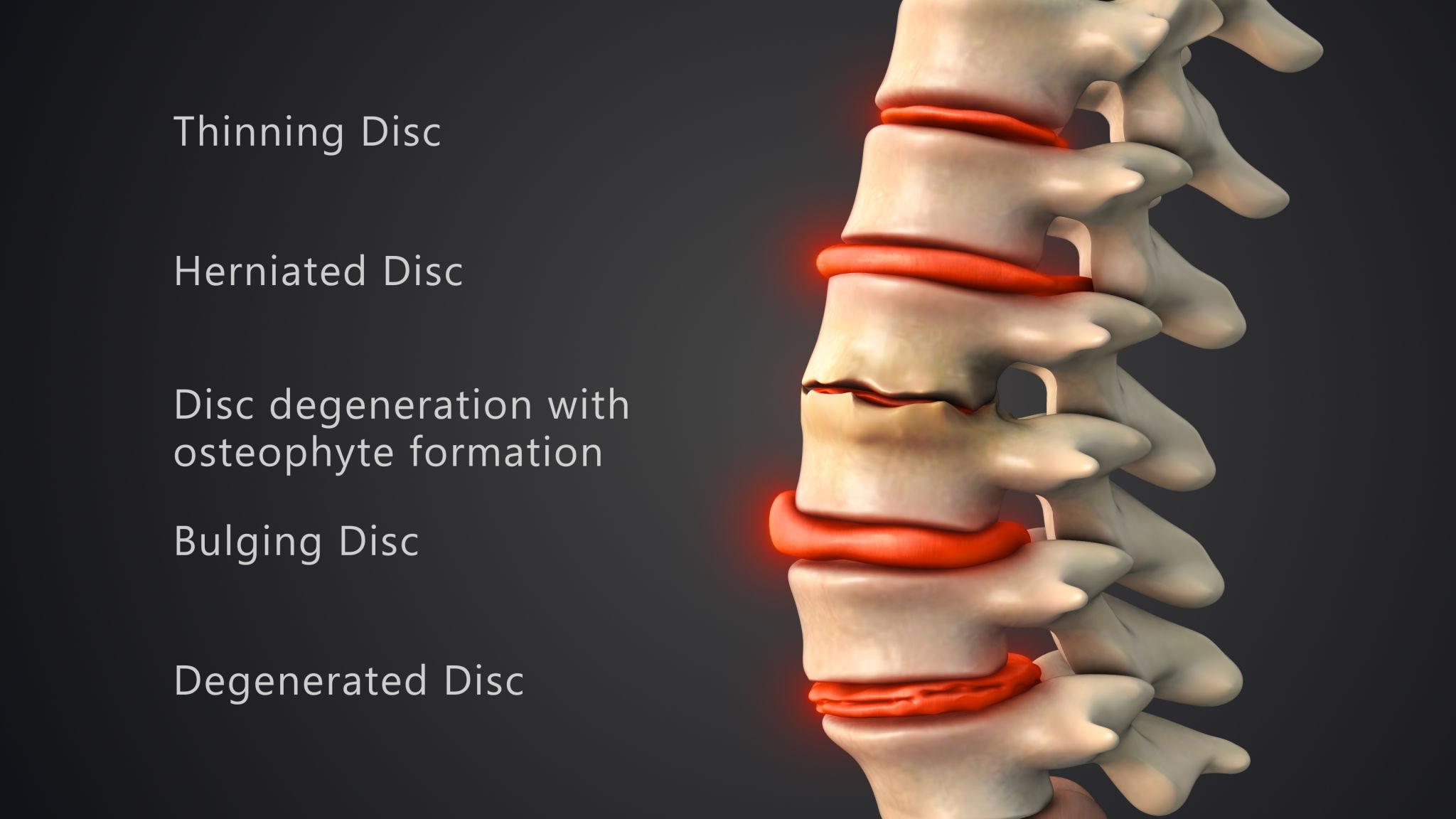
Herniated or slipped discs: Part of the disc’s inner material pushes through a weakened area of the outer layer.
-
Bulging discs: The disc extends beyond its usual boundary without necessarily rupturing.
-
Degenerative disc changes: The discs gradually change in structure and hydration over time.
-
Disc-related nerve irritation: A disc or associated inflammation contributes to irritation or compression of a nearby nerve.
-
Disc injuries: Sudden loading or repeated strain may contribute to symptoms in a previously healthy or already vulnerable disc.
Not every disc abnormality requires treatment. The important question is whether the findings match your symptoms and affect your movement or neurological function.
Read more about herniated disc treatment to understand the symptoms and care options associated with a herniated disc.
What Causes Spinal Disc Problems?
Disc problems can develop gradually or appear after an injury. In many cases, there is no single identifiable cause.
1. Age-related changes
As people age, spinal discs can lose hydration and flexibility. Their structure may change, making them more susceptible to bulging, degeneration, or injury.
However, age-related disc changes do not automatically mean you will experience back pain.
2. Repeated lifting and physical strain
Repeated heavy lifting, awkward bending, or lifting while twisting may increase the mechanical demands placed on your spine. A sudden strenuous movement can also trigger symptoms.
Safe lifting techniques and gradual increases in activity can help manage these demands.
3. Prolonged sitting and inactivity
Long periods of sitting, particularly without movement breaks, can aggravate symptoms in some people. Driving, desk work, and other sedentary activities may make discomfort more noticeable.
Sitting does not automatically cause a herniated disc, but changing position regularly may help reduce discomfort and maintain movement.
4. Smoking and other risk factors
Smoking is associated with poorer disc health. Other potential contributors include genetic factors, previous injuries, repetitive physical demands, and individual differences in spinal anatomy.
A combination of factors often contributes to disc problems rather than one isolated movement or posture.
Common Symptoms of Disc Problems
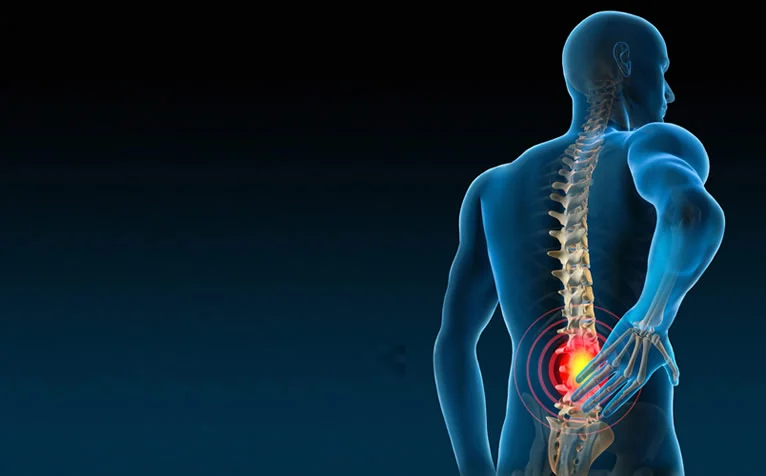
The symptoms of disc problems vary according to the affected disc, the degree of nerve involvement, and other underlying conditions.
| Symptom | What you may notice |
|---|---|
| Lower back pain | Aching, stiffness, or discomfort around the lumbar spine |
| Pain travelling into the leg | Pain extending through the buttock or down one leg, sometimes associated with sciatica |
| Tingling or numbness | Altered sensation in an area supplied by an irritated nerve |
| Muscle weakness | Difficulty lifting the foot, standing on your toes, or performing certain movements |
| Restricted movement | Discomfort when bending, lifting, sitting, or changing position |
| Neck or arm symptoms | Neck pain or symptoms extending into the shoulder, arm, or hand when cervical nerves are involved |
Some people have disc changes visible on an MRI but no pain. Others experience substantial symptoms even when imaging findings appear relatively modest.
A clinical assessment is therefore important before assuming that a disc abnormality explains every symptom.
When are disc symptoms an emergency?
Seek emergency medical care immediately if you develop:
-
New difficulty passing urine or loss of bladder or bowel control.
-
Numbness around the groin, genitals, or inner thighs.
-
Rapidly worsening leg weakness or severe neurological symptoms.
-
Significant symptoms following a serious accident.
These may indicate serious nerve compression or another urgent condition. Do not wait for a chiropractic appointment or attempt home treatment first.
Types of Disc Problems in the Lower Back
The lumbar spine supports much of the body’s weight and is involved in bending, lifting, and everyday movement. Consequently, disc conditions in this region can affect both comfort and mobility.
Herniated discs
A herniated disc develops when material from inside a disc protrudes through a weakened or damaged outer layer. If it irritates a nearby nerve, symptoms may extend into the buttock or leg.
Some herniated discs improve with conservative management, while others require further medical assessment.
Degenerative disc problems
Degenerative disc changes occur as the structure of a disc changes over time. They may include reduced disc hydration, reduced disc height, or other changes visible on imaging.
These findings should be interpreted in context. A degenerative disc on an MRI is not, by itself, proof that the disc is causing your pain.
Bulging discs
A bulging disc extends beyond its normal boundary. It may occur as part of age-related changes and does not always cause symptoms.
The location and extent of the bulge, together with the clinical examination, help determine whether it may be relevant.
Disc-related sciatica
When a disc contributes to irritation or compression of a nerve root in the lower back, pain can radiate down the leg. This is one possible cause of sciatica, but not every case of sciatica originates from a disc.
Read more about sciatica pain and how symptoms can travel from the lower back into the leg.
What Do Research and Statistics Say About Disc Problems?
Scientific research helps explain why disc findings must be interpreted carefully rather than treated as a diagnosis on their own.
Study 1: Degenerative changes can occur without pain.
A systematic review published in the American Journal of Neuroradiology in 2015 examined imaging findings in 3,110 people without symptoms. The estimated prevalence of disc degeneration increased from 37% among people aged 20 to 96% among people aged 80. This illustrates how common age-related imaging changes can become.
Study 2: Some disc findings are more common in people with back pain.
A 2015 systematic review and meta-analysis of 14 studies involving 3,097 adults aged 50 or younger found that certain imaging findings, including disc bulges, protrusions, extrusions, and degeneration, were more prevalent in participants with lower back pain than in those without it. This supports assessing imaging alongside symptoms rather than ignoring either one.
Study 3: Conservative treatment is often the initial approach.
The World Federation of Neurosurgical Societies Spine Committee published recommendations in 2024 stating that conservative management should generally be the first-line approach for lumbar disc herniation when cauda equina syndrome, significant motor deficits, and other serious neurological problems are absent. The recommendations discuss activity modification, medication where appropriate, and physical therapy as components of care.
These findings do not mean every disc problem will resolve on its own. They support an individualised approach based on symptom severity, neurological findings, functional limitations, and response to treatment.
How to Treat Disc Problems in the Back
The best approach depends on the cause of the symptoms and whether nerves are affected. Treatment may involve home care, guided exercise, professional assessment, medication, or specialist treatment.
1. Stay gently active
Avoid prolonged bed rest unless a clinician has advised otherwise. Gentle walking and regular changes of position may help maintain mobility.
Start with a comfortable amount of activity and increase gradually. Stop and seek advice if exercise produces worsening weakness, significant numbness, or severe pain.
2. Modify aggravating activities
Temporarily reduce activities that clearly aggravate your symptoms, such as heavy lifting, repeated twisting, or prolonged sitting.
This does not mean avoiding all movement. The aim is to maintain tolerable activity while symptoms settle.
3. Use heat or cold when helpful
Some people find a wrapped cold pack helpful during an acute flare-up, while others prefer gentle heat to ease muscle tension. Protect your skin and avoid applying extreme temperatures directly.
These methods may offer temporary relief, but they do not repair a damaged disc.
4. Consider suitable medication
A pharmacist or medical practitioner can advise whether pain relief or anti-inflammatory medication is appropriate for you. These medicines are not safe for everyone, particularly people with certain medical conditions or medication interactions.
Do not exceed the recommended dose or rely on medication to ignore worsening neurological symptoms.
5. Follow an appropriate exercise programme
Exercises may help improve strength, movement, and tolerance for everyday activities. The right programme depends on your symptoms and functional assessment.
There is no single stretch or exercise that is suitable for every disc condition. Avoid forcing movements that make pain spread further down your arm or leg or cause new numbness or weakness.
6. Seek professional assessment
If pain persists, repeatedly returns, interferes with daily activities, or is associated with tingling or numbness, arrange an appropriate clinical assessment.
Depending on the findings, you may need a medical practitioner, physiotherapist, chiropractor, or spinal specialist. Further investigation may be necessary when symptoms suggest nerve compression or another condition.
For more detail, read how a chiropractor may help with lower back pain.
Disc Problem Treatment at Home: What Can You Do Safely?
For mild symptoms without warning signs, a few practical steps may help you remain comfortable while monitoring your recovery.

Take short, comfortable walks
Begin with a manageable distance and take breaks as needed. Increase gradually if walking does not worsen your symptoms.

Change position regularly
Alternate between sitting, standing, and gentle movement instead of remaining in one position for long periods.

Choose a comfortable resting position
Try lying on your back with support under your knees or on your side with a pillow between your knees if either position eases discomfort.

Keep exercises gentle
Use movements that feel comfortable and avoid forceful stretching, heavy lifting, or exercises that worsen radiating pain.
Home care is not a substitute for assessment when symptoms are severe, persistent, or associated with neurological changes. If symptoms worsen or fail to improve over the next few weeks, seek medical advice.
Can a Chiropractor Help With Disc Problems?
Chiropractic care may be considered as part of conservative management for selected people experiencing back pain associated with disc problems. However, treatment must be appropriate to the person’s diagnosis, symptoms, and clinical findings.
At Wave Chiropractic & Wellness, the clinic describes its approach as personalised chiropractic care, including assessment and treatment for lower back pain and related musculoskeletal complaints.
A suitable care plan may involve:
-
Assessing movement, pain patterns, and relevant neurological symptoms.
-
Identifying activities or positions that aggravate symptoms.
-
Discussing appropriate movement strategies and exercises.
-
Considering hands-on treatment when clinically appropriate.
-
Monitoring progress and arranging referral if symptoms require medical investigation.
Chiropractic treatment does not physically push a herniated disc back into place or guarantee that disc degeneration will reverse. Some manual techniques may be unsuitable when there is significant nerve compression, progressive weakness, fracture risk, or another serious condition.
Patients with suspected serious neurological problems need urgent medical assessment rather than routine manual treatment.
For local options, see Wave’s herniated disc treatment service and lower back pain service.
What About Artificial Disc Replacement Problems?
Artificial disc replacement is a surgical procedure in which a damaged spinal disc is replaced with an artificial implant. It is different from conservative treatment for a natural disc problem.
As with other operations, possible complications can include infection, bleeding, persistent pain, implant movement or wear, and the need for further surgery. The risks vary according to the spinal region, implant, patient’s health, and surgical circumstances.
If you have already undergone artificial disc replacement and develop new or worsening pain, numbness, weakness, fever, or wound problems, contact your surgical team or medical practitioner promptly. Seek emergency care for severe or rapidly progressing neurological symptoms.
People considering surgery should discuss potential benefits, alternatives, and individual risks with a qualified spinal surgeon. Chiropractic treatment is not a replacement for postoperative surgical follow-up.
Do Back Supports Help With Disc Problems?
A back support or lumbar brace may provide temporary comfort for some people during specific activities. However, it should not be assumed to heal a disc injury or prevent all future flare-ups.
Consider the following before using a support:
-
Choose a support that fits comfortably and does not restrict breathing or circulation.
-
Ask a clinician whether a brace is appropriate for your particular condition.
-
Avoid relying on it as the only strategy for recovery.
-
Maintain suitable movement and strengthening activities when medically appropriate.
If you need a support because of severe pain or difficulty functioning, an assessment can help determine whether you need a brace, a different management strategy, or further investigation.
How Are Disc Problems Diagnosed?
Diagnosis begins with a review of your symptoms, medical history, and physical examination.
A clinician may assess:
-
Where the pain starts and whether it travels into an arm or leg.
-
Whether you have numbness, tingling, or muscle weakness.
-
Your range of movement and tolerance for everyday activities.
-
Relevant neurological signs, including strength, sensation, and reflexes.
-
Whether your history suggests a need for further investigation or referral.
An MRI may be appropriate when serious pathology is suspected, neurological deficits are present or progressing, or the results would change treatment decisions. Not everyone with back pain requires imaging.
X-rays may show bones and alignment but do not directly demonstrate the soft-tissue detail of a disc as well as MRI.
The aim is to connect clinical findings with symptoms rather than treating an imaging report in isolation.
When Is Surgery Needed for Disc Problems?
Most people with a herniated lumbar disc do not immediately need surgery. Conservative care may be considered first when symptoms are manageable and there are no serious neurological signs.
A specialist may consider surgery when:
-
Pain remains severe and disabling despite appropriate nonsurgical treatment.
-
Persistent nerve compression significantly affects daily activities.
-
Muscle weakness is worsening or other important neurological deficits develop.
-
An emergency condition, such as cauda equina syndrome, requires urgent intervention.
The type of procedure depends on the diagnosis. Surgery may involve removing part of a herniated disc to relieve pressure on a nerve or performing another procedure appropriate to the condition.
Decisions about surgery should be made with a qualified medical specialist after discussing the likely benefits, risks, and alternatives.
Frequently Asked Questions About Disc Problems
Can disc problems heal on their own?
Some disc-related symptoms improve over time without surgery. The outcome depends on the type of disc problem, the severity of symptoms, and whether nerves are affected. Persistent or worsening symptoms should be assessed.
What is the difference between a bulging disc and a herniated disc?
A bulging disc extends beyond its normal boundary, whereas a herniated disc involves a more localised protrusion of disc material through a weakened or damaged outer layer. Either may be present without symptoms.
Can I walk if I have disc problems?
Many people can continue gentle walking if it is comfortable and does not worsen their symptoms. Begin gradually and seek advice if walking causes increasing pain, weakness, or numbness.
What is the best treatment for degenerative disc problems?
There is no single best treatment for everyone. Options may include activity modification, guided exercise, appropriate pain management, and professional assessment. Treatment should address symptoms and function, not just the imaging findings.
Can a chiropractor treat disc problems in the lower back?
A chiropractor may help selected patients manage musculoskeletal pain as part of an appropriate conservative care plan. Suitability depends on the clinical assessment, and serious nerve compression or progressive neurological symptoms require medical evaluation.
Do disc problems always require an MRI?
No. Imaging is not necessary for every episode of back pain. A clinician may recommend an MRI when the findings are likely to affect management or when serious conditions or significant nerve involvement need to be investigated.
Can artificial disc replacement cause problems later?
Yes. Although many patients undergo surgery to address specific spinal conditions, complications or persistent symptoms can occur. New or worsening symptoms after surgery should be discussed with the treating medical team.
Get Help for Disc Problems in Toowoomba
Disc problems can make everyday movement difficult, but the right management plan begins with understanding what is causing your symptoms and identifying any warning signs that require medical attention.
At Wave Chiropractic & Wellness, located at 2/125 Anzac Avenue, Newtown, Toowoomba, Queensland 4350, patients can enquire about personalised chiropractic care for lower back pain and related musculoskeletal concerns.
If your symptoms are persistent or interfering with your daily activities, arrange an assessment to discuss suitable next steps. Where symptoms suggest a serious neurological problem, seek urgent medical care rather than waiting for a routine appointment.
References
1. Brinjikji, W. et al. (2015). Systematic Literature Review of Imaging Features of Spinal Degeneration in Asymptomatic Populations. American Journal of Neuroradiology. Read the research study
2. Brinjikji, W. et al. (2015). MRI Findings of Disc Degeneration Are More Prevalent in Adults with Low Back Pain than in Asymptomatic Controls: A Systematic Review and Meta-Analysis. Read the research study on PubMed
3. Yaman, O. et al. (2024). The Role of Conservative Treatment in Lumbar Disc Herniations: WFNS Spine Committee Recommendations. World Neurosurgery: X. Read the full article

Elemmentor Box
Dr. Hussein
Chiropractor & Director
Is an esteemed chiropractor renowned for his innovative approach to chronic pain management and the transformative power of chiropractic care on brain function
Recent Posts
Slipped Disc: Symptoms, Treatment and Recovery Time
Disc Problems: Causes, Symptoms, and Treatment Options
8 Famous People With Herniated Discs and Lower Back Disc Injuries
Categories