
Burning Pain Low Back: Causes, Symptoms, and Effective Treatment Options
Lower back pain is one of the most common musculoskeletal complaints worldwide, affecting people of all ages and lifestyles. While many individuals experience soreness, stiffness, or aching discomfort, some describe a more alarming symptom—a burning sensation in the lower back. This type of discomfort can range from mild irritation to severe pain that interferes with daily activities, work, sleep, and overall quality of life.
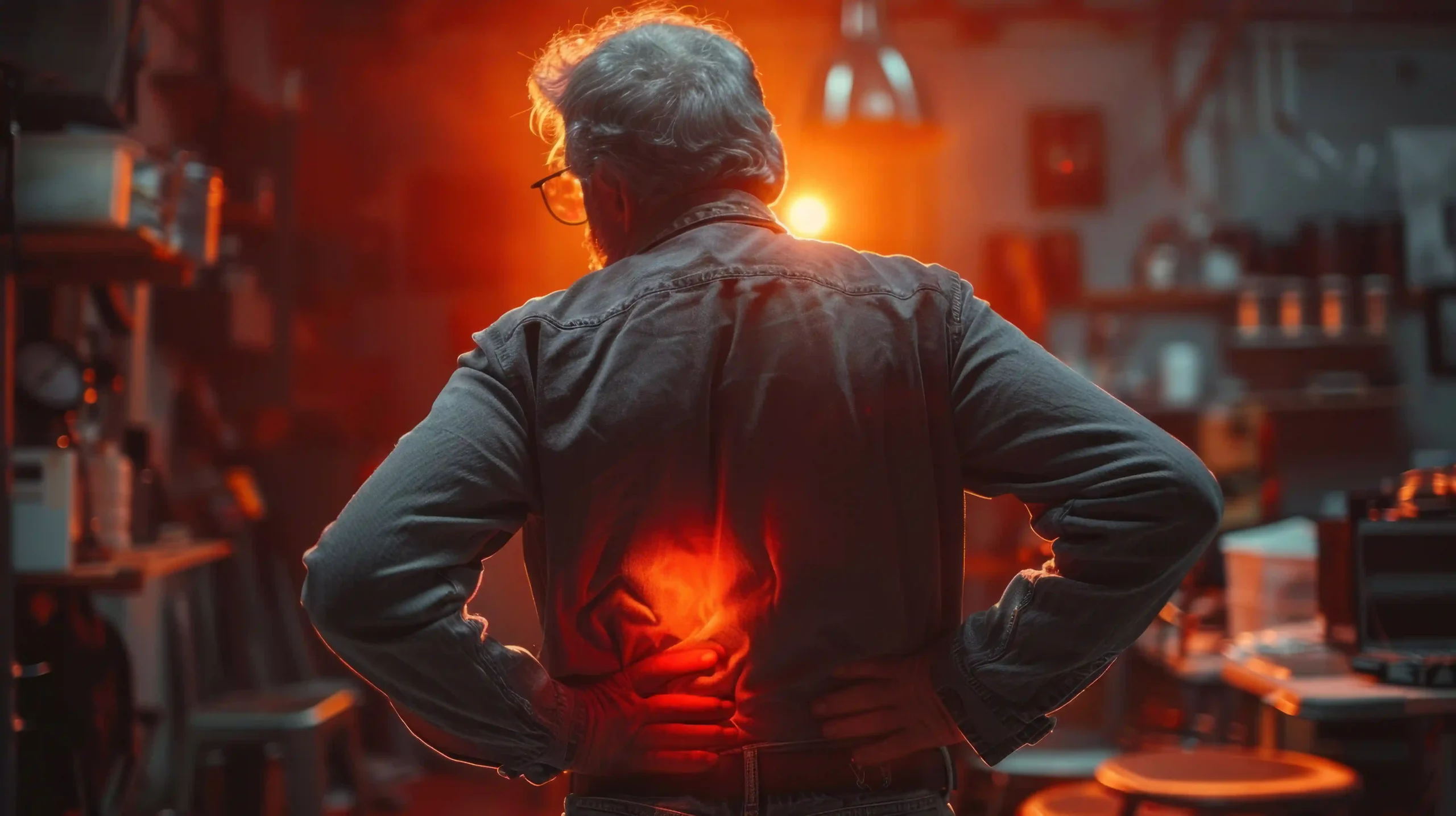
Experiencing a burning pain low back can be concerning because it often feels different from ordinary muscle soreness. Many people report symptoms such as a burning sensation in low back, a burning feeling on lower back, or even a persistent burning ache in lower back that seems to worsen with movement or prolonged sitting.
In some cases, the discomfort is caused by muscle strain or inflammation. In others, it may be related to irritated nerves, spinal conditions, or underlying musculoskeletal dysfunctions. Understanding the source of the pain is the first step toward finding effective treatment and preventing future episodes.
This guide explores the common causes, symptoms, diagnosis, and treatment options for burning lower back pain, helping you better understand when professional care may be beneficial. If you’re experiencing ongoing spinal discomfort, explore our complete guide on back and neck pain to better understand the common causes and available treatment options.
What Is Burning Pain in the Lower Back?
A burning sensation in the lower back is a specific type of pain that often feels hot, tingling, or electrically charged. Unlike a typical muscle ache that feels dull or tight, burning pain may indicate irritation of nerves, inflammation, or tissue damage within the lower spine and surrounding structures.
People describe this symptom in different ways, including:
- Burning pain low back
- Burning sensation lower back
- Burning back ache
- Burning back pain lower back
- Burning in lower back
- Lower back is burning in pain
- Burning pain in lower spine
The intensity can vary significantly. Some individuals experience occasional discomfort after physical activity, while others develop chronic symptoms that persist for weeks or months.
Burning pain may occur in a localized area or spread into the hips, buttocks, or legs. When the sensation radiates beyond the lower back, nerve involvement becomes more likely.
Common Symptoms Associated with Burning Lower Back Pain
The symptoms accompanying burning lower back pain often provide important clues about the underlying cause.
Burning Sensation and Heat-Like Discomfort
Many patients report feeling as though their lower back is hot, inflamed, or on fire. The sensation may remain constant or come and go throughout the day.
Common descriptions include:
- Burning sensation in low back
- Burning sensation lower back
- Burning feeling on lower back
- Burning in low back
- Lower back is burning in pain
This type of discomfort may worsen after prolonged sitting, standing, bending, or lifting.
Sharp, Shooting, and Stabbing Pain
Burning pain is sometimes accompanied by more intense symptoms such as:
- Shooting pain in lower back
- Shooting pain in bottom of back
- Stabbing pain in low back
Sharp or shooting pain often suggests nerve irritation or compression. Patients may notice sudden jolts of pain when changing positions, coughing, sneezing, or performing certain movements.
Pain Radiating into the Buttocks and Legs
When nerves become irritated, symptoms may extend beyond the lower back.
Individuals frequently experience:
- Backside burning sensation
- Hip discomfort
- Buttock pain
- Leg pain
- Tingling sensations
- Numbness
These symptoms are commonly associated with sciatica and other nerve-related conditions.
Stiffness and Reduced Mobility
Burning pain frequently limits movement and flexibility.
People may experience:
- Difficulty bending forward
- Pain when standing up from a seated position
- Reduced range of motion
- Morning stiffness
- Discomfort after long periods of inactivity
As symptoms worsen, even routine activities such as walking, driving, or household tasks can become challenging.

What Causes a Burning Sensation in the Lower Back?
A burning sensation in the lower back can develop for several reasons, ranging from minor muscle strain to conditions that affect the nerves and spinal structures. Unlike a typical aching pain, a burning feeling often suggests inflammation, irritation, or compression of nearby nerves. Identifying the underlying cause is essential for determining the most effective treatment approach.
Muscle Strain and Overuse
One of the most common causes of a burning sensation in the lower back is muscle strain. Repetitive movements, heavy lifting, sudden twisting motions, or prolonged physical activity can overstress the muscles and ligaments that support the spine. The resulting inflammation may create a burning ache in the lower back, especially during movement or after physical exertion.
Sciatica and Nerve Irritation
Sciatica occurs when the sciatic nerve becomes compressed or irritated. This condition often produces a burning sensation in the lower back that can radiate into the buttocks, hips, and legs. Many people describe sciatica pain as burning, shooting, or electric-like, particularly when sitting for long periods. Disc injuries are one of the leading causes of nerve-related lower back pain. Learn more about herniated disc treatment and the conservative treatment options available.
Herniated or Bulging Discs
The spinal discs act as cushions between the vertebrae. When a disc bulges or herniates, it can place pressure on nearby nerves. This pressure may lead to burning lower back pain, tingling, numbness, or weakness that extends into the lower extremities.
Spinal Stenosis
Spinal stenosis is a condition characterized by narrowing of the spaces within the spine. As the spinal canal becomes smaller, nerves may become compressed, causing symptoms such as burning pain in the lower spine, numbness, and shooting pain that worsens during walking or standing. Age-related spinal changes can gradually affect disc health and mobility. Read more about degenerative disc disease in the lower back and how it may contribute to chronic pain.
Degenerative Disc Disease
Age-related wear and tear can cause spinal discs to lose hydration and flexibility. As discs deteriorate, inflammation and nerve irritation may develop, leading to chronic burning pain in the lower back. Symptoms often fluctuate and may worsen with prolonged sitting or certain activities.
Sacroiliac Joint Dysfunction
The sacroiliac joints connect the spine to the pelvis and help distribute forces throughout the body. When these joints become inflamed or dysfunctional, they can cause a burning sensation in the lower back, often on one side. Pain may also spread into the buttocks and upper legs.
Poor Posture and Prolonged Sitting
Poor posture places excessive stress on the lower spine and surrounding muscles. Spending long hours sitting, especially with inadequate lumbar support, can contribute to muscle fatigue, joint irritation, and a persistent burning feeling in the lower back. Sitting posture plays an important role in spinal health. Discover the best sitting position for lower back pain to reduce stress on your spine throughout the day.
Inflammatory Conditions
Certain inflammatory disorders, such as osteoarthritis, rheumatoid arthritis, and ankylosing spondylitis, can affect the spine and surrounding joints. These conditions may trigger chronic inflammation, resulting in stiffness, reduced mobility, and burning lower back pain that often feels worse after periods of inactivity.
Stress and Muscle Tension
Chronic stress can cause muscles throughout the body, including those in the lower back, to remain tense for extended periods. Over time, this tension may lead to irritation, fatigue, and discomfort that some individuals describe as a burning sensation.
Risk Factors for Developing Burning Lower Back Pain
Several factors may increase the likelihood of developing burning lower back pain.
Age
As the body ages, spinal discs, joints, and connective tissues naturally undergo wear and tear. These changes can contribute to nerve irritation and chronic pain.
Physical Inactivity
Weak core muscles and reduced flexibility place additional stress on the lower back, increasing the risk of injury.
Excess Body Weight
Carrying extra weight increases pressure on the spine and can accelerate degenerative changes.
Repetitive Occupational Activities
Jobs that involve lifting, bending, twisting, or prolonged sitting can contribute to spinal strain and lower back dysfunction.
Sports and Exercise Injuries
Athletes and active individuals may develop lower back pain due to overuse, improper technique, or sudden trauma.
Smoking
Research suggests that smoking may reduce blood flow to spinal tissues and accelerate disc degeneration, increasing the risk of chronic back pain.
Poor Ergonomics
Improper workstation setup, unsupportive chairs, and incorrect lifting mechanics can all contribute to ongoing lower back problems.

When Should You Be Concerned About Burning Lower Back Pain?
While many cases of burning lower back pain improve with rest and conservative care, persistent or worsening symptoms should not be ignored. If your burning sensation in the lower back lasts for several weeks, becomes more intense, or begins to interfere with daily activities, it may indicate an underlying condition such as a herniated disc, nerve compression, spinal stenosis, or another musculoskeletal issue. Pain that radiates into the buttocks or legs, especially when accompanied by tingling, numbness, or weakness, can be a sign that spinal nerves are being affected and should be evaluated by a healthcare professional.
You should also seek medical attention if burning lower back pain develops after a significant injury or is accompanied by symptoms such as difficulty walking, loss of balance, unexplained weight loss, fever, or persistent night pain. More urgent evaluation is needed if you experience loss of bowel or bladder control, as this may indicate a serious neurological condition. Early diagnosis and treatment can help address the root cause of symptoms, prevent further complications, and support a faster recovery.
How Healthcare Professionals Diagnose Burning Lower Back Pain
Medical History Review
Healthcare professionals typically begin by reviewing the patient’s medical history and discussing their symptoms in detail. Questions may focus on where the burning pain is located, how severe it is, when it started, and whether certain activities make it worse or better. Information about previous injuries, occupation, daily habits, and overall health can help identify possible causes and guide further evaluation.
Physical Examination
A physical examination helps assess the function of the spine, muscles, joints, and nerves. The healthcare provider may evaluate posture, spinal alignment, range of motion, muscle strength, reflexes, and sensation. These tests can reveal signs of nerve irritation, muscular imbalances, joint restrictions, or other conditions that may be contributing to the burning sensation in the lower back.
Diagnostic Imaging
When symptoms are severe, persistent, or associated with neurological changes, diagnostic imaging may be recommended. X-rays can help detect structural abnormalities and arthritis, while MRI scans are often used to identify herniated discs, nerve compression, spinal stenosis, and soft tissue injuries. In some cases, CT scans may provide additional detail about the spine and help confirm the diagnosis.
How to Treat Burning Sensation in Lower Back
The most effective treatment for burning lower back pain depends on the underlying cause. Fortunately, many individuals experience significant improvement through conservative, non-surgical approaches that focus on reducing pain, restoring mobility, and addressing the source of the problem.
Activity Modification
One of the first steps in managing lower back pain is identifying activities that aggravate symptoms.
Helpful strategies may include:
- Avoiding heavy lifting during acute flare-ups
- Limiting repetitive bending and twisting
- Taking regular movement breaks when sitting for extended periods
- Gradually returning to normal activities as symptoms improve
While rest may be beneficial for a short period, prolonged inactivity can often worsen stiffness and delay recovery.
Physical Therapy
Physical therapy is frequently recommended for individuals experiencing persistent burning lower back pain.
A customized rehabilitation program may focus on:
- Improving flexibility
- Strengthening supporting muscles
- Correcting posture
- Enhancing spinal stability
- Restoring proper movement patterns
Consistent exercise and guided rehabilitation can help reduce strain on the spine and lower the risk of future injuries.
Chiropractic Care for Burning Lower Back Pain
Chiropractic care is a conservative treatment approach that focuses on improving spinal function and addressing musculoskeletal dysfunctions that may contribute to pain.
When appropriate, chiropractic treatment may help:
- Improve spinal mobility
- Reduce joint restrictions
- Decrease mechanical stress on surrounding tissues
- Support healthy movement patterns
- Improve overall function
For individuals experiencing burning pain low back symptoms related to spinal dysfunction, a thorough chiropractic assessment can help identify contributing factors and guide a personalized treatment plan. Chiropractic care focuses on restoring spinal function and mobility. Learn more about back manipulation and how it may help improve joint movement and relieve mechanical back pain.
Soft Tissue Therapy
Soft tissue therapies are commonly used alongside other treatments to address muscular tension and inflammation.
Techniques may include:
- Therapeutic massage
- Trigger point therapy
- Myofascial release
- Instrument-assisted soft tissue techniques
These approaches can help reduce muscle tightness and improve mobility in the lower back region.
Exercise Rehabilitation
Long-term recovery often requires addressing underlying weaknesses and movement dysfunctions.
Exercise rehabilitation may focus on:
- Core strengthening
- Glute activation
- Hip mobility
- Postural endurance
- Functional movement training
Developing strength throughout the kinetic chain helps support the spine and improve overall resilience. Gentle mobility exercises can complement rehabilitation. Learn how the back arch stretch may help improve spinal flexibility and reduce stiffness.
Heat and Cold Therapy
Heat and cold therapy can provide temporary symptom relief.
Cold Therapy
Ice may be helpful during the early stages of an injury by reducing inflammation and numbing painful tissues.
Heat Therapy
Heat can promote blood flow, reduce muscle tension, and improve flexibility.
Many individuals find alternating between heat and cold beneficial depending on their symptoms and stage of recovery.
Lifestyle Changes
Small lifestyle improvements can have a significant impact on spinal health.
Consider:
- Maintaining a healthy body weight
- Staying physically active
- Improving workstation ergonomics
- Taking frequent movement breaks
- Prioritizing quality sleep
- Managing stress levels
These habits support long-term recovery and help reduce the likelihood of recurring pain episodes.
Exercises That May Help Relieve Burning Lower Back Pain
Gentle exercises can improve flexibility, mobility, and muscular support around the spine.
Pelvic Tilts
Pelvic tilts are a gentle exercise that helps improve spinal mobility and activate the deep core muscles that support the lower back. This movement can reduce tension in the lumbar region, improve posture, and promote better control of the muscles responsible for stabilizing the spine.
Cat-Cow Stretch
The cat-cow stretch is a simple mobility exercise that encourages movement throughout the spine. By alternating between arching and rounding the back, this stretch can help relieve stiffness, improve flexibility, and increase blood flow to the muscles and joints of the lower back.
Knee-to-Chest Stretch
This stretch targets the muscles of the lower back, hips, and glutes. Gently bringing one or both knees toward the chest can help reduce muscle tightness, improve flexibility, and ease discomfort associated with prolonged sitting or lower back tension.
Bird Dog Exercise
The bird dog exercise strengthens the core, lower back, and hip muscles while improving balance and stability. By training the body to maintain proper spinal alignment during movement, this exercise can help reduce stress on the lower back and support long-term spinal health.
Glute Bridges
Glute bridges focus on strengthening the gluteal muscles, which play a key role in supporting the pelvis and lower back. Stronger glutes can help reduce strain on the lumbar spine, improve posture, and enhance overall movement efficiency, making this exercise beneficial for both recovery and prevention. Many patients also ask how frequently they should receive treatment. Read our guide on how often you should go to the chiropractor to learn what influences your care plan.
How Chiropractic Care at Wave Chiro May Help
At Wave Chiro, chiropractic care focuses on identifying and addressing the underlying causes of burning lower back pain rather than simply masking the symptoms. Chiropractors perform a thorough assessment of spinal alignment, joint mobility, posture, and movement patterns to determine whether issues such as spinal misalignment, nerve irritation, or muscle imbalances may be contributing to the discomfort. Based on the findings, a personalized treatment plan may be developed to help improve spinal function, reduce pressure on affected nerves, and support the body’s natural healing processes. If you’re new to chiropractic care, read what a chiropractor does to understand how chiropractors assess and treat musculoskeletal conditions.
Treatment at Wave Chiro may include chiropractic adjustments, soft tissue therapy, corrective exercises, and posture education tailored to each patient’s condition and lifestyle. These therapies can help improve mobility, decrease muscle tension, enhance circulation, and promote better overall spinal health. When combined with healthy movement habits and ongoing care, chiropractic treatment may help reduce burning lower back pain, improve daily function, and support long-term recovery and wellness.
FAQ
Is a burning sensation in the lower back serious?
Not always. Burning lower back pain may result from muscle strain, inflammation, or temporary irritation. However, persistent symptoms or neurological changes should be evaluated by a healthcare professional.
Can sciatica cause burning lower back pain?
Yes. Sciatica is one of the most common causes of burning pain in the lower back and may also cause symptoms that radiate into the buttocks and legs.
What causes shooting pain in the bottom of the back?
Shooting pain often occurs when nerves become irritated or compressed. Conditions such as herniated discs, sciatica, and spinal stenosis may contribute to these symptoms.
How long does burning lower back pain last?
Recovery times vary depending on the cause. Minor muscle strains may improve within days or weeks, while chronic spinal conditions may require ongoing management and rehabilitation.
Can chiropractic care help with burning pain low back?
For some individuals, chiropractic care may help improve spinal mobility, reduce joint dysfunction, and support overall recovery when included as part of a comprehensive treatment plan.
When should I see a healthcare professional?
Seek professional evaluation if symptoms persist, worsen, interfere with daily activities, or are accompanied by numbness, weakness, or changes in bowel or bladder function. Muscle tightness and sudden contractions may accompany lower back pain. Learn about the common causes of lower back spasms and how they can be managed.
Conclusion
Experiencing a burning sensation in the lower back can be uncomfortable, frustrating, and sometimes concerning. Symptoms such as a burning ache in the lower back, shooting pain in the lower back, or a burning pain in the lower spine may stem from a variety of causes, including muscle strain, nerve irritation, disc injuries, spinal stenosis, or postural dysfunction.
Because burning pain often involves inflammation or nerve-related irritation, identifying the underlying cause is essential for effective treatment. Conservative approaches such as physical therapy, exercise rehabilitation, lifestyle modifications, and chiropractic care may help many individuals improve mobility, reduce discomfort, and restore function.
If your symptoms persist or continue to interfere with your daily life, seeking a professional assessment can help determine the source of the problem and guide the most appropriate treatment strategy. Early intervention often leads to better outcomes and can help prevent minor issues from developing into long-term spinal conditions.

Elemmentor Box
Dr. Hussein
Chiropractor & Director
Is an esteemed chiropractor renowned for his innovative approach to chronic pain management and the transformative power of chiropractic care on brain function
Recent Posts
Disc Problems: Causes, Symptoms, and Treatment Options
8 Famous People With Herniated Discs and Lower Back Disc Injuries
How to Sleep With Sciatica: Best Sleeping Positions and Pain Relief Tips
Categories