
One-Sided Neck Pain: What Causes It and How to Treat It
One-sided neck pain is discomfort or pain that develops on either the left or right side of the neck rather than affecting the entire cervical region. It can range from a mild, temporary ache to sharp or persistent pain that interferes with everyday activities such as turning your head, driving, working, or even sleeping. Unlike generalized neck pain, which often involves widespread muscle tension or stiffness, neck pain on one side is more likely to be associated with a specific structure, such as a strained muscle, irritated cervical joints, or a pinched nerve. In some cases, muscle imbalance caused by poor posture or repetitive movements can also contribute to symptoms.
Whether you’re experiencing pain on the left side of the neck or pain on the right side of the neck, identifying the underlying cause is essential for choosing the most effective treatment. While many cases improve with conservative care, persistent or severe one-sided neck pain may indicate an underlying condition that requires medical evaluation. This guide explores the common causes, symptoms, diagnosis, treatment options, and prevention strategies to help you better understand and manage one-sided neck pain. Neck pain can affect one or both sides of the cervical spine depending on the underlying cause. If you’re looking for a broader overview, read our guide on neck pain, including common symptoms, causes, and treatment options.
Understanding One-Sided Neck Pain
One-sided neck pain is discomfort that affects either the left or right side of the neck instead of the entire cervical region. Unlike general neck pain, which often involves widespread muscle tension or stiffness, pain on one side is usually linked to a specific structure, such as the muscles, ligaments, cervical joints, or nerves. The pain may be dull and persistent, sharp and sudden, or even radiate to the shoulder, upper back, or arm. Its intensity can vary from mild discomfort that resolves within a few days to severe pain that limits neck movement and interferes with daily activities. Neck pain can present in different ways depending on the affected muscles, joints, or nerves. Learn about the different types of neck pain and how they help identify the underlying condition.
Pain develops on only one side when tissues on that side become irritated, inflamed, or injured. Common causes include muscle imbalance from poor posture, repetitive movements, sleeping in an awkward position, or overusing one side of the body. In some cases, a pinched nerve or cervical joint dysfunction may trigger pain that remains localized or spreads along the affected nerve pathway. Understanding why the pain is limited to one side helps healthcare providers identify the underlying cause and recommend the most appropriate treatment plan.
Common Causes of One-Sided Neck Pain
One-sided neck pain can develop for many reasons, ranging from temporary muscle strain to conditions affecting the cervical spine. In most cases, the pain results from irritation of muscles, joints, nerves, or spinal discs on one side of the neck. Identifying the underlying cause is essential because each condition requires a different treatment approach.
Muscle Imbalance and Poor Posture
Muscle imbalance is one of the most common causes of neck pain on one side. Spending long hours looking at a computer, using a smartphone, or sitting with poor posture places uneven stress on the neck muscles. Over time, one side of the neck may become tighter or weaker than the other, leading to pain, stiffness, and reduced mobility. Correcting posture and strengthening the neck and upper back muscles can often relieve symptoms and prevent recurrence. Poor posture doesn’t only affect the neck—it can also create tension across the shoulders. Learn more about neck and shoulder pain and how posture contributes to both conditions.
Pinched Nerve in the Cervical Spine
A pinched nerve occurs when a nerve root in the cervical spine becomes compressed or irritated by surrounding tissues. This compression may result from inflammation, bone spurs, or a herniated disc. In addition to one-sided neck pain, people often experience pain that radiates into the shoulder, arm, or hand, along with tingling, numbness, or muscle weakness. Early diagnosis helps prevent worsening nerve irritation and long-term complications. A pinched nerve is one of several possible causes of neck discomfort. Explore the most common causes of neck pain to better understand what may be triggering your symptoms.
Cervical Joint Dysfunction
The small facet joints in the cervical spine allow the neck to move smoothly in different directions. When one of these joints becomes inflamed, irritated, or restricted, it can produce localized pain on either the left or right side of the neck. The pain often becomes worse when turning the head, looking upward, or maintaining the same position for a long period. Joint dysfunction may develop after repetitive strain, poor posture, or age-related wear and tear.
Muscle Strain from Sudden Movements
A sudden twist, lifting a heavy object incorrectly, or making an abrupt movement during sports or exercise can overstretch the neck muscles or ligaments. This type of injury frequently causes pain on only one side because only the affected muscles are damaged. Symptoms may include tenderness, muscle spasms, swelling, and difficulty moving the neck comfortably, although most mild strains improve with rest and conservative treatment.
Sleeping in an Uncomfortable Position
Sleeping with poor neck support or using an unsuitable pillow can place excessive stress on one side of the neck for several hours. As a result, you may wake up with stiffness, soreness, and difficulty turning your head. Sleeping on your stomach, twisting your neck during sleep, or using a pillow that is too high or too low can all contribute to one-sided neck pain. Choosing a supportive pillow and maintaining proper sleeping alignment can reduce the risk of recurring symptoms.
Stress and Muscle Tension
Emotional stress often causes people to unconsciously tighten the muscles in their neck and shoulders. If this tension is greater on one side, it can lead to localized pain and stiffness. Chronic stress may also increase muscle fatigue and make existing neck problems feel more severe. Managing stress through relaxation techniques, regular exercise, and adequate sleep can help reduce muscle tension and prevent pain.
Cervical Disc Problems
The discs between the cervical vertebrae act as cushions that absorb shock and support movement. When a disc bulges or herniates, it may press against nearby nerves, causing pain on one side of the neck. Depending on the location of the affected disc, symptoms may extend into the shoulder, arm, or fingers and may be accompanied by numbness, tingling, or weakness. Disc-related neck pain often requires a thorough medical evaluation to determine the most appropriate treatment. Disc injuries in the neck often require conservative treatment to relieve pressure on nearby nerves. Learn more about herniated disc treatment and the available non-surgical treatment options.
Less Common Medical Conditions
Although most cases of one-sided neck pain are caused by musculoskeletal problems, less common medical conditions can also be responsible. Infections, inflammatory diseases such as rheumatoid arthritis, cervical spine tumors, and certain neurological disorders may cause persistent or worsening pain. In rare cases, pain on the left side of the neck may be associated with heart-related conditions, especially when accompanied by chest pain, shortness of breath, or sweating. Seeking prompt medical attention is important if neck pain is severe, follows significant trauma, or occurs with fever, unexplained weight loss, weakness, or other concerning symptoms.
Left-Sided vs. Right-Sided Neck Pain
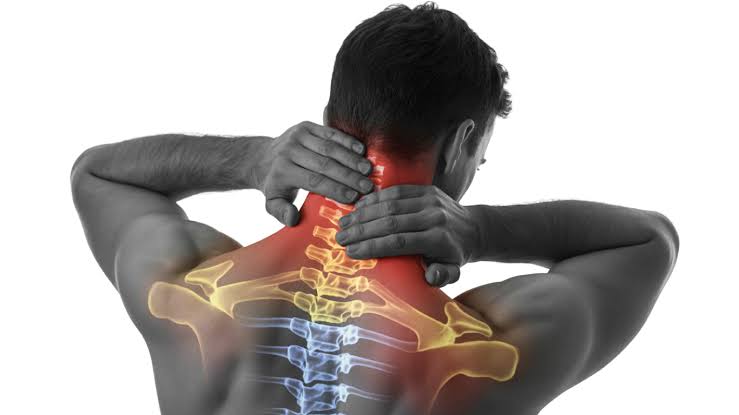
Although one-sided neck pain can occur on either the left or right side, the location alone does not always reveal the exact cause. Both sides share the same muscles, joints, nerves, and supporting structures, so many conditions can affect either side. However, understanding where the pain occurs, what triggers it, and whether it is accompanied by symptoms such as numbness, headaches, or arm pain can provide valuable clues for diagnosis.
What Causes Pain on the Left Side of the Neck?
Pain on the left side of the neck is commonly caused by muscle strain, poor posture, sleeping in an awkward position, or repetitive movements that place extra stress on the left-side muscles. A pinched nerve, cervical joint irritation, or a herniated cervical disc may also produce pain that radiates to the left shoulder or arm. In rare cases, left-sided neck pain accompanied by chest pain, shortness of breath, or sweating may be related to a heart condition and requires immediate medical evaluation.
What Causes Pain on the Right Side of the Neck?
Pain on the right side of the neck often develops for similar reasons, including muscle imbalance, overuse, poor workstation ergonomics, or sudden neck movements. People who frequently use one arm for work, carry heavy bags on the same shoulder, or spend long hours using a computer may overload the muscles on one side of the neck. Cervical joint dysfunction, nerve compression, and degenerative spinal changes can also lead to persistent pain on the right side.
Does the Side of the Pain Help Identify the Cause?
The side of the pain can provide helpful diagnostic information, but it should never be considered in isolation. Healthcare providers evaluate the exact location of the pain together with its intensity, duration, movement limitations, and any accompanying neurological symptoms. For example, pain that radiates into the arm may suggest a pinched nerve, while localized tenderness after physical activity is more consistent with muscle strain. A comprehensive medical assessment is the most reliable way to determine the underlying cause and choose the appropriate treatment.
Symptoms That May Accompany One-Sided Neck Pain
The symptoms associated with one-sided neck pain vary depending on the underlying cause and the structures involved. While some people experience only localized discomfort, others may develop symptoms that extend beyond the neck and affect the shoulders, arms, or even daily activities. Recognizing these accompanying symptoms can help determine whether the pain is caused by muscle strain, joint dysfunction, or nerve compression.
Neck Stiffness and Limited Mobility
Neck stiffness is one of the most common symptoms accompanying one-sided neck pain. The affected muscles and joints may become tight or inflamed, making it difficult to turn the head, look over the shoulder, or tilt the neck in certain directions. This reduced range of motion often becomes more noticeable after sleeping, working at a computer, or remaining in the same position for an extended period.
Shoulder and Upper Back Pain
Pain may spread from one side of the neck into the shoulder, upper back, or the area around the shoulder blade. This usually occurs when the muscles that support the neck become overworked or when inflammation affects nearby tissues. The discomfort may worsen during lifting, reaching overhead, or prolonged sitting, especially if poor posture is contributing to the problem. Pain that spreads from the neck into the shoulders is a common symptom of cervical dysfunction. Read more about neck and shoulder pain and its most common causes.
Pain That Radiates to the Arm
If a cervical nerve becomes compressed or irritated, the pain may travel from the neck into the shoulder, arm, and even the hand. This radiating pain often follows the path of the affected nerve and may feel sharp, burning, or electric-like. Activities such as turning the head or coughing may temporarily increase the intensity of the pain.
Headaches Originating from the Neck
One-sided neck pain can trigger cervicogenic headaches, which begin in the neck and spread toward the back of the head, temples, or forehead. These headaches are commonly associated with muscle tension or cervical joint dysfunction and may become worse with prolonged neck movements or poor posture.
Muscle Spasms
Muscle spasms are involuntary contractions that can occur when the neck muscles become strained or irritated. They often produce sudden, painful tightening on one side of the neck and may make movement difficult. Spasms are commonly triggered by muscle overuse, stress, sudden movements, or prolonged awkward positioning.
Tingling, Numbness, or Weakness
When one-sided neck pain is caused by a pinched nerve, neurological symptoms may develop in addition to pain. Tingling, numbness, or weakness can affect the shoulder, arm, hand, or fingers, depending on which cervical nerve is involved. These symptoms should not be ignored, especially if they become progressively worse or interfere with normal arm function, as they may indicate significant nerve compression requiring medical evaluation.
How One-Sided Neck Pain Is Diagnosed
Diagnosing one-sided neck pain begins with identifying its underlying cause rather than simply treating the symptoms. Because pain on one side of the neck can result from muscle strain, joint dysfunction, nerve compression, or more serious medical conditions, healthcare providers use a combination of clinical evaluation and diagnostic tests to determine the source of the problem. In many cases, a thorough medical history and physical examination are enough to make a diagnosis, while additional tests are reserved for persistent, severe, or unexplained symptoms.
Medical History Review
The first step in diagnosis is reviewing the patient’s medical history. A healthcare provider will ask when the pain started, whether it developed suddenly or gradually, which side of the neck is affected, and what activities make the pain better or worse. They will also ask about previous neck injuries, work habits, exercise routines, sleep position, and associated symptoms such as headaches, arm pain, numbness, or weakness. This information helps narrow down the most likely causes of the pain.
Physical Examination
During the physical examination, the provider evaluates the neck’s alignment, range of motion, and areas of tenderness. You may be asked to move your head in different directions to identify movements that reproduce the pain or reveal stiffness. The muscles, cervical joints, and surrounding soft tissues are carefully examined for signs of inflammation, muscle spasms, swelling, or reduced mobility, helping distinguish between muscular and joint-related problems.
Neurological Assessment
If nerve involvement is suspected, a neurological examination is performed to assess the function of the cervical nerves. This may include testing muscle strength, reflexes, sensation, and coordination in the shoulders, arms, and hands. The presence of tingling, numbness, weakness, or abnormal reflexes may indicate a pinched nerve or cervical spinal cord compression that requires further evaluation.
Imaging Tests (X-ray, MRI, or CT Scan)
Imaging studies are not always necessary for one-sided neck pain, especially when symptoms are mild and improve with conservative treatment. However, if the pain is severe, persists for several weeks, follows a significant injury, or is accompanied by neurological symptoms, imaging may be recommended. X-rays help identify fractures, arthritis, and spinal alignment problems, while MRI provides detailed images of the discs, nerves, muscles, and spinal cord. CT scans are particularly useful for evaluating complex bone injuries or when MRI is not an option.
When Additional Tests Are Needed
Additional diagnostic tests may be required when the cause of one-sided neck pain remains unclear or when a serious medical condition is suspected. Blood tests can help detect infections, inflammatory diseases, or autoimmune disorders, while electrodiagnostic studies such as nerve conduction studies or electromyography (EMG) may be used to evaluate nerve function. These tests are typically reserved for cases involving persistent neurological symptoms, unexplained weakness, or chronic pain that does not respond to standard treatment.
Treatment Options for One-Sided Neck Pain
The best treatment for one-sided neck pain depends on its underlying cause, the severity of the symptoms, and how long the pain has been present. Most mild to moderate cases improve with conservative treatments that reduce inflammation, restore normal movement, and strengthen the muscles supporting the cervical spine. However, persistent or severe pain caused by nerve compression or structural problems may require more specialized care.
Rest and Activity Modification
Short-term rest can help reduce pain during the acute phase of an injury, but prolonged inactivity should be avoided because it may increase stiffness and delay recovery. Instead, patients are encouraged to continue light daily activities while avoiding movements that worsen the pain. Modifying work habits, reducing repetitive neck movements, and taking regular breaks throughout the day can also help prevent further irritation.
Heat and Cold Therapy
Applying cold packs during the first 24 to 48 hours after an injury can reduce inflammation, swelling, and pain. Once the acute inflammation subsides, heat therapy helps relax tight muscles, improve blood circulation, and decrease stiffness. Many people find alternating between heat and cold beneficial, depending on their symptoms and the stage of recovery.
Pain Relievers and Anti-Inflammatory Medications
Over-the-counter pain relievers, such as acetaminophen, and nonsteroidal anti-inflammatory drugs (NSAIDs) like ibuprofen or naproxen can help relieve pain and reduce inflammation. In cases involving significant muscle spasms, a healthcare provider may prescribe muscle relaxants for short-term use. These medications should always be taken according to medical advice to minimize the risk of side effects.
Physical Therapy
Physical therapy is one of the most effective treatments for persistent one-sided neck pain. A physical therapist designs an individualized rehabilitation program that focuses on restoring neck mobility, improving flexibility, strengthening weakened muscles, and correcting movement patterns that contribute to pain. Manual therapy techniques may also be used to reduce muscle tightness and improve joint mobility.
Stretching and Strengthening Exercises
Targeted exercises play an essential role in both recovery and long-term prevention. Gentle stretching exercises improve flexibility in the neck and shoulders, while strengthening exercises help stabilize the cervical spine and correct muscle imbalance. Regular exercise also reduces the likelihood of future injuries by improving posture and supporting healthy movement patterns. Improving flexibility is an important part of rehabilitation. Exercises such as the back arch stretch can complement a structured neck and upper back exercise program.
Posture Correction
Poor posture is a leading contributor to one-sided neck pain, particularly among people who spend long hours using computers or mobile devices. Adjusting workstation ergonomics, keeping computer screens at eye level, avoiding prolonged forward head posture, and maintaining proper sitting and standing alignment can significantly reduce strain on the neck. Developing healthy posture habits is one of the most effective ways to prevent recurring symptoms.
Chiropractic Care and Spinal Adjustment
For some individuals, chiropractic care may be recommended as part of a comprehensive treatment plan. Chiropractors use spinal adjustment (spinal manipulation) and other manual therapy techniques to improve the alignment and mobility of the cervical spine and surrounding joints. When performed by a qualified healthcare professional and after an appropriate evaluation, spinal adjustments may help reduce joint restriction, relieve muscle tension, improve neck movement, and decrease pain caused by certain musculoskeletal conditions. However, spinal manipulation is not suitable for everyone, particularly individuals with fractures, spinal instability, severe osteoporosis, certain neurological disorders, or other serious underlying conditions. A proper medical assessment is essential before beginning chiropractic treatment. If you’re unfamiliar with chiropractic treatment, learn what a chiropractor does and how chiropractic care can help improve neck mobility and spinal function.
Treatments for Pinched Nerves and Cervical Joint Disorders
When one-sided neck pain is caused by a pinched nerve or cervical joint dysfunction, treatment focuses on relieving pressure on the affected structures. Depending on the severity of the condition, options may include physical therapy, anti-inflammatory medications, corticosteroid injections, or specialized rehabilitation techniques. Early treatment can help reduce inflammation, improve nerve function, and prevent long-term complications.
Advanced Interventional Treatments
If conservative treatments fail to provide adequate relief, advanced interventional procedures may be considered. These options include epidural steroid injections, facet joint injections, radiofrequency ablation, or, in severe cases involving significant nerve compression or spinal instability, surgery. These treatments are generally reserved for chronic or complex cases and are recommended only after a comprehensive medical evaluation by a spine specialist.

How Wave Chiro Can Help Treat One-Sided Neck Pain
Finding the right treatment for one-sided neck pain starts with identifying its underlying cause rather than simply relieving the symptoms. At Wave Chiro, care is centered on a comprehensive, patient-focused approach that addresses the source of the pain, restores healthy neck function, and helps prevent future episodes. By combining evidence-based chiropractic care with rehabilitation techniques, patients receive personalized treatment designed to improve mobility, reduce pain, and support long-term spinal health. Treatment frequency varies depending on your condition, symptoms, and recovery goals. Read our guide on how often you should go to the chiropractor to understand what influences your care plan.
Comprehensive Evaluation to Identify the Root Cause
Every treatment plan begins with a thorough assessment of your symptoms, medical history, posture, range of motion, and spinal function. If necessary, imaging studies or referrals may be recommended to accurately identify whether the pain is caused by muscle strain, cervical joint dysfunction, a pinched nerve, or another underlying condition.
Personalized Chiropractic Treatment Plans
Because every patient experiences neck pain differently, Wave Chiro develops individualized treatment plans based on the specific diagnosis, lifestyle, activity level, and recovery goals. This personalized approach ensures that treatment targets the root cause of the problem while promoting safe and effective healing.
Gentle Spinal Adjustments to Restore Neck Function
Chiropractic spinal adjustments are designed to restore normal movement in restricted cervical joints, reduce joint dysfunction, and improve spinal alignment. When appropriate, these gentle manual techniques may help relieve pressure on surrounding tissues, decrease pain, improve range of motion, and support the body’s natural healing process.
Soft Tissue Therapy and Muscle Rehabilitation
In addition to spinal adjustments, treatment may include soft tissue therapy to relieve muscle tension, reduce trigger points, and improve blood circulation. Muscle rehabilitation techniques help restore flexibility, improve muscle balance, and reduce stress on the cervical spine, making recovery more effective and reducing the risk of recurring pain.
Corrective Exercises to Improve Strength and Mobility
Exercise is an essential part of long-term recovery. Patients are guided through corrective exercises that strengthen the neck, shoulders, and upper back while improving flexibility and posture. These exercises help stabilize the cervical spine, correct muscle imbalances, and reduce the likelihood of future episodes of one-sided neck pain.
Long-Term Strategies to Prevent Recurring Neck Pain
Beyond treating current symptoms, Wave Chiro focuses on preventing future neck problems through education and lifestyle modifications. Patients receive practical guidance on maintaining proper posture, improving workstation ergonomics, selecting supportive sleeping positions, managing daily stress, and performing regular stretching exercises. These long-term strategies help maintain spinal health, improve overall function, and minimize the risk of recurrent one-sided neck pain.
Frequently Asked Questions
Why does my neck hurt on only one side?
One-sided neck pain is often caused by muscle strain, poor posture, muscle imbalance, sleeping in an awkward position, or repetitive movements. In some cases, the pain may result from a pinched nerve, cervical joint dysfunction, or a herniated disc. Identifying the underlying cause is important for choosing the most effective treatment.
Is left-sided neck pain different from right-sided neck pain?
In most cases, the causes of left-sided and right-sided neck pain are the same. Both can result from muscle injuries, joint problems, or nerve compression. However, left-sided neck pain accompanied by symptoms such as chest pain, shortness of breath, or excessive sweating requires immediate medical attention because it may indicate a serious medical condition.
Can a pinched nerve cause pain on one side of the neck?
Yes. A pinched nerve in the cervical spine is one of the most common causes of one-sided neck pain. It can produce sharp or burning pain that radiates from the neck into the shoulder, arm, or hand and may also cause numbness, tingling, or muscle weakness.
How long does one-sided neck pain usually last?
The duration depends on the underlying cause. Mild muscle strain or poor posture often improves within a few days to two weeks with proper self-care. More complex conditions, such as cervical disc problems or nerve compression, may take several weeks or longer and often require professional treatment.
Should I use heat or ice for one-sided neck pain?
Cold therapy is generally recommended during the first 24 to 48 hours after an acute injury because it helps reduce inflammation and swelling. Heat therapy is usually more effective for relieving muscle tightness, improving circulation, and reducing stiffness after the initial inflammation has subsided. Your healthcare provider can recommend the most appropriate approach based on your condition.
Can poor posture cause neck pain on one side?
Yes. Poor posture is a leading cause of one-sided neck pain. Spending long hours looking down at a phone, working at a computer, or sitting with forward head posture can create muscle imbalance and place excessive stress on one side of the neck, leading to pain and stiffness over time.
When should I seek medical attention?
You should seek medical evaluation if your neck pain is severe, persists for several weeks, follows a significant injury, or is accompanied by numbness, weakness, difficulty walking, fever, unexplained weight loss, or pain that radiates into your arm. Early diagnosis can help identify serious conditions and ensure you receive the most appropriate treatment before symptoms worsen.
Conclusion
One-sided neck pain is a common condition that can result from a variety of causes, including muscle strain, poor posture, muscle imbalance, cervical joint dysfunction, pinched nerves, and cervical disc problems. While many cases improve with conservative treatments such as physical therapy, posture correction, and chiropractic care, the most effective treatment always depends on identifying the underlying cause rather than focusing solely on whether the pain is on the left or right side.
If your symptoms persist, become more severe, or are accompanied by numbness, weakness, or other neurological signs, seeking a professional evaluation is essential. At Wave Chiro, our experienced team provides comprehensive assessments and personalized treatment plans designed to relieve pain, restore neck function, and help prevent future episodes. Early diagnosis and targeted care can make a significant difference in achieving long-term relief and improving your overall quality of life.

Elemmentor Box
Dr. Hussein
Chiropractor & Director
Is an esteemed chiropractor renowned for his innovative approach to chronic pain management and the transformative power of chiropractic care on brain function
Recent Posts
Slipped Disc: Symptoms, Treatment and Recovery Time
Disc Problems: Causes, Symptoms, and Treatment Options
8 Famous People With Herniated Discs and Lower Back Disc Injuries
Categories