

Types of Neck Pain: Understanding Acute, Chronic, and Severe Neck Pain
Neck pain is one of the most common musculoskeletal complaints, but not all neck pain is the same. Some people develop acute neck pain after an acute injury or sleeping in an awkward position, while others experience chronic neck pain that gradually develops over time due to ongoing cervical conditions, repetitive strain, or age-related changes. In other cases, individuals may experience severe neck pain that significantly limits movement or is accompanied by symptoms that require prompt medical assessment. Understanding these differences is an important first step toward choosing the most appropriate care.
Healthcare professionals classify types of neck pain in several ways, including pain duration, symptom severity, and the underlying condition affecting the cervical spine. These classifications help determine whether the pain is likely to be short-term or persistent, identify potential contributing factors, and guide the most appropriate management plan. While some cases improve with conservative care and lifestyle changes, others may require a comprehensive assessment to identify the source of the problem and prevent ongoing chronic pain.
In this guide, we’ll explain the different types of neck pain, including the differences between acute neck pain, chronic neck pain, and severe neck pain. We’ll also explore how healthcare professionals classify neck pain, the most common cervical conditions associated with each type, when symptoms may require medical attention, and how personalised chiropractic care at Wave Chiropractic & Wellness may help improve mobility, reduce discomfort, and support long-term spinal health.
What Are the Different Types of Neck Pain?
Not all neck pain is caused by the same problem or presents in the same way. Healthcare professionals classify types of neck pain based on several factors, including pain duration, symptom severity, and the underlying cervical conditions affecting the neck. This approach helps identify the likely source of the pain, determine whether it is temporary or persistent, and guide the most appropriate treatment plan.
While many people are familiar with terms such as acute neck pain and chronic neck pain, these describe only one aspect of the condition. Neck pain may also be classified according to how severe the symptoms are or whether the pain originates from muscles, joints, spinal discs, or nerves within the cervical spine. Understanding these classifications can help patients better describe their symptoms and know when professional assessment may be needed.
Types of Neck Pain Based on Pain Duration
Around 222 million people worldwide were living with neck pain in 2019, making it one of the leading musculoskeletal conditions contributing to disability globally according to musculoskeletal . One of the most common ways to classify neck pain is by pain duration, or how long the symptoms have been present. This helps healthcare professionals distinguish between short-term injuries and conditions that may require ongoing management.
- Acute neck pain: Symptoms typically develop suddenly and last for up to six weeks. This type is often associated with an acute injury, muscle strain, or a minor cervical sprain.
- Subacute neck pain: Pain that continues for approximately six to twelve weeks. During this stage, symptoms may gradually improve or indicate the need for further assessment if recovery has slowed.
- Chronic neck pain: Pain that persists for more than 12 weeks. Chronic neck pain may be linked to ongoing mechanical stress, degenerative cervical conditions, previous injuries, or other factors contributing to long-term chronic pain.
Types of Neck Pain Based on Severity
Healthcare professionals also consider how intense the symptoms are, as pain severity can influence both daily function and treatment recommendations.
- Mild neck pain: Causes minor discomfort but usually has little impact on normal daily activities.
- Moderate neck pain: Makes activities such as driving, working, or sleeping more difficult and may reduce neck mobility.
- Severe neck pain: Causes significant discomfort, limits movement, or is accompanied by symptoms such as numbness, weakness, or pain radiating into the arm. Severe neck pain should always be assessed promptly, particularly if it develops after trauma or is associated with neurological symptoms.
Types of Neck Pain Based on the Underlying Condition
In many cases, healthcare professionals also classify neck pain according to the tissues or structures involved. Depending on the diagnosis, neck pain may be related to:
- Muscle strain or soft tissue injury
- Joint dysfunction within the cervical spine
- Cervical disc disorders
- Nerve irritation or compression
- Degenerative cervical conditions, such as osteoarthritis
Identifying the underlying condition is essential because each type of neck pain may require a different management approach. A comprehensive assessment helps determine the source of the symptoms and supports the development of an individualized treatment plan.
Acute Neck Pain
Acute neck pain is one of the most common types of neck pain and typically develops suddenly, often after an acute injury, an awkward movement, or temporary strain on the muscles and joints of the cervical spine. In most cases, acute neck pain lasts for less than six weeks and gradually improves as the affected tissues heal. Although the symptoms can be uncomfortable, many people recover with appropriate conservative care and activity modification.
Because the neck supports the weight of the head while allowing a wide range of movement, it is particularly vulnerable to short-term injuries that affect the muscles, ligaments, or joints. Early recognition of acute neck pain and addressing the contributing factors can help promote recovery and reduce the likelihood of symptoms becoming persistent.
Common Causes of Acute Neck Pain
Acute neck pain can result from a variety of everyday activities or unexpected events, including:
- Muscle strain caused by lifting heavy objects or sudden movements
- Sleeping in an awkward position or using an unsupportive pillow
- Sports-related injuries or recreational activities
- Minor falls or other forms of acute injury
- Whiplash following a motor vehicle accident
- Prolonged computer or smartphone use that places temporary stress on the cervical spine
These situations often irritate the muscles, ligaments, or joints of the neck, leading to inflammation, stiffness, and reduced mobility.
Symptoms of Acute Neck Pain
The symptoms of acute neck pain usually appear quickly and may vary depending on the tissues involved. Common signs include:
- Sudden pain or soreness in the neck
- Neck stiffness and difficulty turning the head
- Muscle tightness or spasms
- Pain that worsens with certain movements
- Tenderness around the affected muscles or joints
- Mild headaches resulting from muscle tension
While the discomfort is often localized, some people may also notice temporary pain extending into the upper shoulders.
How Long Does Acute Neck Pain Last?
The pain duration of acute neck pain is generally less than six weeks, with many mild cases improving within a few days to a couple of weeks. Recovery depends on the severity of the injury, the individual’s overall health, and whether the neck is given adequate time to heal. Remaining gently active, maintaining good posture, and following appropriate treatment recommendations can often support a smoother recovery.
If symptoms persist beyond several weeks, continue to worsen, or begin to resemble chronic neck pain, a professional assessment may be recommended to identify any underlying cervical conditions that could be delaying recovery.

Chronic Neck Pain
Unlike acute neck pain, which usually improves within a few weeks, chronic neck pain persists for more than 12 weeks or continues to recur over time. The pain may develop gradually or begin as an acute episode that never fully resolves. For many people, chronic neck pain becomes an ongoing challenge that affects work, sleep, exercise, and other daily activities, making early assessment and appropriate management important.
Persistent neck discomfort is often associated with long-term mechanical stress, repeated strain, or underlying cervical conditions that affect the joints, discs, muscles, or other structures of the cervical spine. While the intensity of symptoms can vary, chronic pain often requires a more comprehensive approach than short-term injuries because multiple contributing factors may be involved.
Common Causes of Chronic Neck Pain
Several conditions and lifestyle factors can contribute to chronic neck pain, including:
- Poor posture maintained over long periods, particularly during desk work or prolonged screen use
- Degenerative cervical conditions, such as cervical osteoarthritis or degenerative disc disease
- Repetitive work activities that place continuous stress on the neck
- Previous neck injuries that have not fully healed
- Ongoing muscle tension related to stress or muscular imbalances
- Reduced strength and flexibility in the muscles supporting the cervical spine
In many cases, more than one factor contributes to persistent symptoms, highlighting the importance of a thorough clinical assessment.
Symptoms of Chronic Neck Pain
People with chronic neck pain may experience symptoms that fluctuate in intensity but continue to affect their quality of life. Common symptoms include:
- Persistent aching or discomfort in the neck
- Morning stiffness or stiffness after prolonged sitting
- Reduced range of motion
- Recurring headaches associated with neck tension
- Muscle tightness in the neck and upper shoulders
- Pain that repeatedly returns after daily activities
Some individuals may also experience symptoms that radiate into the shoulders or arms if nearby nerves become irritated.
How Chronic Neck Pain Affects Daily Life
Living with chronic pain can have a significant impact beyond physical discomfort. Ongoing neck pain may reduce productivity at work, make driving uncomfortable, interfere with recreational activities, and affect sleep quality. Over time, people may begin avoiding certain movements or activities because they anticipate pain, which can further reduce mobility and muscle strength.
For this reason, managing chronic neck pain often focuses not only on relieving symptoms but also on improving movement, restoring function, and addressing the factors contributing to the condition.
When Should You Seek Professional Assessment?
If neck pain lasts longer than 12 weeks, continues to return despite self-care, or gradually worsens over time, it is advisable to seek a professional evaluation. A healthcare professional can assess your pain duration, movement patterns, and overall spinal function to determine whether underlying cervical conditions or other factors are contributing to your symptoms and recommend an individualized management plan.
Severe Neck Pain
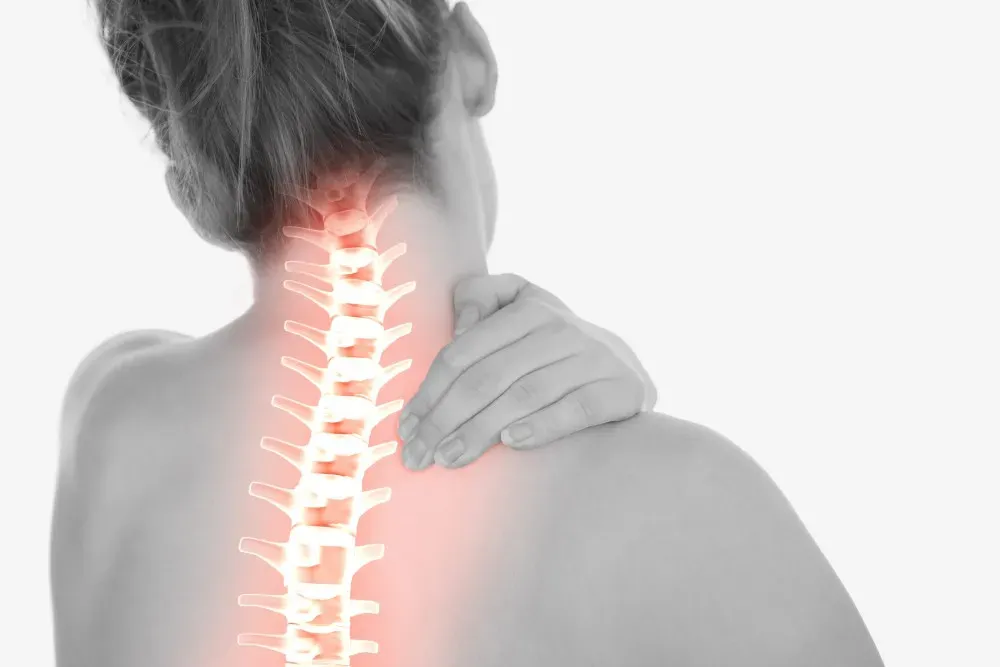
Severe neck pain refers to the intensity of the pain rather than how long it has been present. While some people assume severe pain is always chronic, that’s not necessarily the case. A person can experience severe neck pain immediately after an acute injury, or they may develop severe symptoms gradually as an underlying cervical condition progresses. Because severe pain can sometimes indicate a more serious problem, it should never be ignored, especially when it is accompanied by neurological symptoms or follows trauma.
Although severe neck pain is not always caused by a serious medical condition, its impact on daily activities is often significant. Simple tasks such as turning the head, driving, working at a computer, or even sleeping may become extremely difficult. Identifying the underlying cause is essential for determining the most appropriate course of care.
Common Causes of Severe Neck Pain
Several conditions can lead to severe neck pain, including:
- Whiplash or other significant acute injuries
- Herniated cervical discs that place pressure on nearby nerves
- Severe muscle or ligament strains
- Advanced degenerative cervical conditions
- Cervical joint inflammation or dysfunction
- Nerve compression within the cervical spine
The severity of symptoms does not always reflect the severity of the underlying condition, which is why a professional assessment is important when pain is intense or persistent.
Symptoms of Severe Neck Pain
People experiencing severe neck pain may notice one or more of the following symptoms:
- Intense or sharp neck pain
- Difficulty moving the head or neck
- Severe muscle spasms
- Pain that radiates into the shoulders, arms, or hands
- Numbness or tingling in the upper limbs
- Muscle weakness associated with nerve irritation
- Pain that interferes with normal daily activities or sleep
If neurological symptoms are present, further evaluation may be needed to determine whether the spinal nerves are involved.
When Is Severe Neck Pain a Medical Emergency?
While many cases of neck pain can be managed conservatively, some symptoms require immediate medical attention. Seek urgent medical care if severe neck pain is accompanied by:
- Loss of strength in the arms or hands
- Persistent numbness or loss of sensation
- Difficulty walking or maintaining balance
- Loss of bladder or bowel control
- Neck pain following a major accident or significant fall
- Fever, unexplained weight loss, or severe pain that is not improving
These symptoms may indicate a condition that requires prompt medical assessment and should not be managed through self-care alone.
Can Severe Neck Pain Be Treated?
The most appropriate treatment depends on the underlying cause of the pain. Before recommending any treatment, healthcare professionals perform a comprehensive assessment to identify the source of the symptoms, evaluate pain duration, and determine whether muscles, joints, discs, nerves, or other cervical conditions are involved.
Depending on the diagnosis, treatment may include activity modification, rehabilitation exercises, manual therapies, posture correction, or other conservative approaches designed to improve movement, reduce discomfort, and support long-term spinal health. In some situations, referral for additional medical evaluation or imaging may be recommended, particularly when severe symptoms or neurological changes are present.
Neck Pain by the Source of Pain
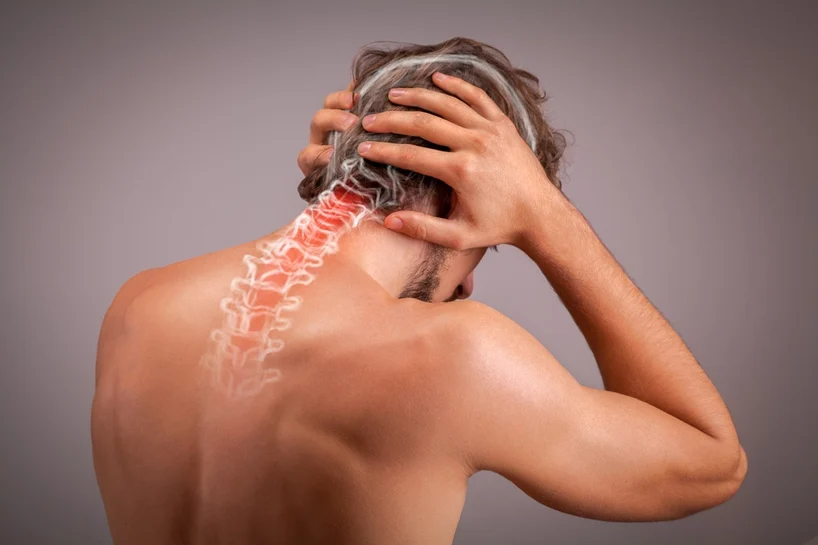
In addition to pain duration and symptom severity, healthcare professionals often classify types of neck pain based on the tissues or structures responsible for the discomfort. This approach helps identify the underlying problem and guides a more targeted treatment plan. While two people may experience similar symptoms, the source of their pain can be very different, which is why a comprehensive assessment is important.
The most common categories include muscular pain, joint-related pain, disc-related pain, nerve-related pain, and pain associated with degenerative cervical conditions.
Muscular Neck Pain
Muscular neck pain is one of the most common forms of neck pain and usually involves the muscles, tendons, or other soft tissues surrounding the cervical spine. It often develops after muscle overuse, prolonged poor posture, repetitive activities, or minor strains.
People with muscular neck pain commonly experience:
- A dull or aching pain
- Muscle tightness or stiffness
- Tenderness when touching the affected muscles
- Discomfort that worsens after long periods of sitting or computer work
This type of pain typically responds well to conservative management, including movement, stretching, posture correction, and rehabilitation exercises.
Joint-Related Neck Pain
The small facet joints of the cervical spine allow the neck to move smoothly while providing stability. When these joints become irritated, inflamed, or restricted, they can cause localized neck pain and reduced mobility.
Joint-related neck pain often presents with:
- Pain during certain neck movements
- Stiffness, especially after resting
- Difficulty turning or tilting the head
- Pain that improves with gentle movement
Mechanical joint dysfunction is a common contributor to both acute neck pain and chronic neck pain, depending on how long the problem has been present.
Disc-Related Neck Pain
The cervical discs act as cushions between the vertebrae, helping absorb shock and support normal spinal movement. When a disc becomes damaged, bulges, or herniates, it may cause pain within the neck or place pressure on nearby nerves.
Disc-related neck pain may include:
- Deep neck pain
- Pain that worsens with certain movements
- Pain radiating into the shoulder or arm
- Tingling or numbness if nerve irritation occurs
Because disc disorders can produce symptoms similar to other cervical conditions, professional evaluation is often needed to determine the exact source of the problem.
Nerve-Related Neck Pain
When a cervical nerve becomes irritated or compressed, the pain often extends beyond the neck itself. Instead of remaining localized, symptoms may travel along the path of the affected nerve into the shoulder, arm, or hand.
Common features include:
- Burning or shooting pain
- Pain radiating down the arm
- Tingling or pins-and-needles sensations
- Muscle weakness
- Changes in sensation affecting the hand or fingers
Nerve-related symptoms should always be assessed by a healthcare professional, particularly if weakness or persistent numbness is present.
Degenerative Neck Pain
As people age, the structures of the cervical spine naturally undergo wear and tear. Over time, degenerative cervical conditions such as cervical osteoarthritis or degenerative disc disease may contribute to ongoing chronic pain, stiffness, and reduced neck mobility.
Degenerative neck pain often develops gradually and may be characterized by:
- Persistent aching pain
- Morning stiffness
- Reduced flexibility
- Symptoms that fluctuate over time
- Episodes of increased discomfort after prolonged activity or inactivity
Although these age-related changes cannot always be reversed, appropriate management strategies may help improve function, reduce discomfort, and support long-term spinal health.
Acute vs. Chronic Neck Pain: What’s the Difference?
One of the most common questions people ask is whether their symptoms are considered acute neck pain or chronic neck pain. The key difference is pain duration, although the underlying cause, recovery time, and treatment approach may also vary.
Acute neck pain usually develops suddenly after an acute injury, muscle strain, or an awkward movement and often improves within a few weeks. In contrast, chronic neck pain persists for more than 12 weeks or continues to return over time. Chronic symptoms are more likely to be associated with ongoing mechanical stress, repetitive strain, or underlying cervical conditions that require long-term management.
The following comparison highlights the main differences between these two types of neck pain:
| Acute Neck Pain | Chronic Neck Pain |
| Develops suddenly | Develops gradually or persists over time |
| Usually lasts less than six weeks | Lasts longer than 12 weeks |
| Often follows an acute injury or muscle strain | Commonly linked to ongoing mechanical stress or degenerative changes |
| Symptoms often improve with conservative care | May require a comprehensive long-term management plan |
| Recovery is generally quicker | Recovery may take longer depending on the underlying condition |
Although these categories are helpful, it’s important to remember that acute neck pain can become chronic pain if the underlying issue is not properly addressed or symptoms continue beyond the expected healing period. Seeking professional assessment for persistent or recurring neck pain can help identify contributing factors and support an appropriate treatment plan.
Understanding Neck Pain by Pain Patterns
Another way healthcare professionals evaluate types of neck pain is by looking at how the pain feels and where it spreads. Different pain patterns can provide valuable clues about the structures involved and whether muscles, joints, nerves, or other cervical conditions may be contributing to the symptoms.
While pain patterns alone cannot confirm a diagnosis, they often help guide further assessment.
Stiff Neck Pain
A stiff neck is commonly associated with muscle tension, joint irritation, or minor soft tissue injuries. Many people notice stiffness after sleeping in an awkward position, spending long hours at a desk, or remaining in the same posture for an extended period.
Symptoms may include:
- Difficulty turning the head
- Tight muscles
- Reduced range of motion
- Mild discomfort that improves with gentle movement
Sharp Neck Pain
Sharp neck pain usually occurs suddenly and may be felt during certain movements or after an acute injury. It can result from muscle strains, ligament injuries, joint irritation, or, in some cases, disc-related problems.
People with sharp neck pain may notice that:
- Pain occurs with specific movements
- The discomfort is localized to one area
- Neck movement becomes restricted
- Symptoms improve with rest or appropriate treatment
Burning Neck Pain
A burning sensation in the neck may indicate irritation of nearby nerves or inflamed soft tissues. Unlike muscle soreness, burning pain is often described as persistent and may spread beyond the neck.
Burning neck pain may be accompanied by:
- Tingling sensations
- Increased sensitivity
- Pain radiating toward the shoulder or arm
- Discomfort that worsens with prolonged positions
Radiating Neck Pain
Radiating pain extends from the neck into the shoulder, arm, or hand. This pattern often suggests irritation or compression of a cervical nerve, although a thorough assessment is needed to determine the exact cause.
In addition to pain, individuals may experience:
- Numbness
- Tingling
- Muscle weakness
- Changes in sensation affecting the upper limb
Because neurological symptoms may indicate nerve involvement, persistent radiating pain should be evaluated by a healthcare professional.
Neck Pain with Headaches
Headaches frequently occur alongside neck pain, particularly when muscle tension or restricted movement affects the upper cervical spine. These headaches often begin at the base of the skull before spreading toward the forehead or temples.
People commonly notice headaches after:
- Prolonged computer work
- Poor posture
- Stress-related muscle tension
- Reduced neck mobility
Treating the underlying neck dysfunction may help reduce the frequency or intensity of these headaches, depending on their cause.
When Does Neck Pain Require Immediate Medical Attention?
Many cases of neck pain improve with conservative care, but certain symptoms may indicate a more serious condition that requires prompt medical evaluation. Recognizing these warning signs is an important part of managing any type of neck pain safely.
You should seek immediate medical attention if neck pain is accompanied by:
- Severe pain following a motor vehicle accident, fall, or other significant trauma
- Loss of strength in one or both arms
- Persistent numbness or tingling that continues to worsen
- Difficulty walking, maintaining balance, or coordinating movements
- Loss of bladder or bowel control
- Fever, chills, or unexplained weight loss together with neck pain
- Severe neck pain that develops suddenly without an obvious cause and does not improve
Even in the absence of emergency symptoms, it’s advisable to arrange a professional assessment if acute neck pain lasts longer than expected, chronic neck pain continues to interfere with daily activities, or symptoms repeatedly return. Early evaluation can help identify underlying cervical conditions, determine the significance of the pain duration, and guide the most appropriate treatment approach before the condition progresses.
How Different Types of Neck Pain Are Assessed
Before recommending treatment, healthcare professionals first determine which type of neck pain a person is experiencing and identify the factors contributing to their symptoms. Because acute neck pain, chronic neck pain, and severe neck pain can have different underlying causes, a comprehensive assessment helps ensure that care is tailored to the individual’s condition rather than focusing only on symptom relief.
The assessment typically begins with a discussion about the patient’s symptoms, including when the pain started, its pain duration, whether it developed gradually or followed an acute injury, and what activities make it better or worse. This information helps distinguish between short-term injuries, recurring problems, and ongoing chronic pain.
A physical examination is then performed to evaluate several aspects of neck function, including:
- Neck mobility and range of motion
- Muscle tenderness and tightness
- Joint movement within the cervical spine
- Posture and movement patterns
- Signs of nerve irritation, such as numbness, tingling, or muscle weakness
If symptoms suggest more complex cervical conditions, or if neurological signs are present, additional investigations such as diagnostic imaging or referral to another healthcare provider may be recommended. A thorough assessment helps identify the source of the pain and supports the development of an individualized management plan.
Can Chiropractic Care Help Different Types of Neck Pain?
The role of chiropractic care depends on the type of neck pain, its underlying cause, and the individual’s overall health. For some people, conservative chiropractic management may help improve spinal function, restore mobility, and reduce discomfort associated with certain musculoskeletal cervical conditions. However, treatment always begins with a comprehensive assessment to determine whether chiropractic care is appropriate.
Depending on the findings, a chiropractor may recommend a personalized treatment plan that focuses on improving movement and supporting long-term spinal health. This may include:
- Chiropractic adjustments when clinically appropriate
- Joint mobilization techniques to improve cervical spine mobility
- Soft tissue therapy to reduce muscle tension
- Rehabilitation exercises to improve strength and flexibility
- Posture correction strategies
- Ergonomic advice to reduce unnecessary strain during daily activities
For individuals with acute neck pain, treatment may focus on restoring comfortable movement and supporting the natural healing process following an acute injury. Those with chronic neck pain may benefit from a longer-term management approach that addresses posture, movement patterns, muscle imbalances, and lifestyle factors contributing to ongoing chronic pain.
If symptoms suggest a condition that requires medical intervention or falls outside the scope of chiropractic care, an appropriate referral may be recommended to ensure the patient receives the most suitable treatment.
How Wave Chiropractic & Wellness Supports Patients with Neck Pain
At Wave Chiropractic & Wellness, care begins with understanding that every patient’s experience is unique. Whether someone is experiencing acute neck pain, chronic neck pain, or severe neck pain, the focus is on identifying the underlying factors contributing to their symptoms rather than simply addressing the discomfort itself.
The assessment process includes a detailed review of the patient’s medical history, pain duration, posture, movement patterns, cervical spine mobility, and any lifestyle or occupational factors that may be affecting spinal health. This comprehensive evaluation helps the team determine the most appropriate management plan based on the individual’s needs and goals.
Depending on the findings, a personalized care plan may include:
- Chiropractic adjustments when appropriate
- Soft tissue therapy
- Targeted rehabilitation exercises
- Postural correction and movement education
- Ergonomic recommendations for work and daily activities
- Ongoing guidance to support long-term spinal health
By combining evidence-informed chiropractic care with patient education and individualized rehabilitation strategies, Wave Chiropractic & Wellness aims to help patients improve mobility, reduce discomfort, and build healthier movement habits that support long-term musculoskeletal wellbeing.
Frequently Asked Questions
What are the main types of neck pain?
The main types of neck pain include acute neck pain, chronic neck pain, and severe neck pain. Healthcare professionals may also classify neck pain based on its underlying source, such as muscular, joint-related, disc-related, or nerve-related pain. Understanding these classifications helps determine the most appropriate assessment and management approach.
What is the difference between acute and chronic neck pain?
The primary difference is pain duration. Acute neck pain usually develops suddenly and lasts for up to six weeks, often following an acute injury or muscle strain. Chronic neck pain persists for more than 12 weeks or continues to recur over time and is often associated with long-term mechanical stress or underlying cervical conditions.
Can acute neck pain become chronic?
Yes. Although many cases of acute neck pain improve within a few weeks, symptoms may progress to chronic neck pain if the underlying cause is not addressed or healing is delayed. Early assessment and appropriate management can help reduce the risk of developing long-term chronic pain.
What causes severe neck pain?
Severe neck pain can result from a variety of conditions, including significant muscle or ligament injuries, herniated cervical discs, nerve compression, joint inflammation, or other cervical conditions. Because severe pain may sometimes indicate a more serious problem, professional evaluation is recommended, particularly if neurological symptoms are present or the pain follows trauma.
How do I know what type of neck pain I have?
The type of neck pain cannot always be determined based on symptoms alone. Healthcare professionals consider several factors, including pain duration, symptom severity, movement patterns, medical history, and physical examination findings. In some cases, additional investigations may be recommended to identify the underlying cause and guide treatment.
When should I seek medical attention for neck pain?
You should seek prompt medical evaluation if neck pain:
- Develops after a significant accident or fall
- Is accompanied by numbness, tingling, or weakness in the arms or hands
- Causes difficulty walking or maintaining balance
- Occurs with fever or unexplained weight loss
- Persists for several weeks or continues to worsen despite conservative care
Early assessment can help identify underlying cervical conditions and ensure appropriate treatment.
Can chiropractic care help different types of neck pain?
For some individuals, chiropractic care may help improve spinal mobility, reduce muscle tension, and support recovery from certain musculoskeletal conditions affecting the cervical spine. Before treatment begins, chiropractors perform a comprehensive assessment to determine whether chiropractic care is appropriate based on the patient’s symptoms, medical history, and the underlying cause of their neck pain.
Conclusion
Understanding the different types of neck pain is an important step toward identifying the most appropriate care. Whether you’re experiencing acute neck pain after an acute injury, managing chronic neck pain that has persisted for months, or dealing with severe neck pain that limits your daily activities, recognizing how healthcare professionals classify neck pain can help you better understand your symptoms and when to seek professional advice.
Because neck pain can arise from a wide range of cervical conditions, no single treatment approach is suitable for everyone. A comprehensive assessment is essential to identify the underlying cause, evaluate pain duration, and develop a personalized management plan that supports recovery and long-term spinal health.
At Wave Chiropractic & Wellness, every treatment plan begins with a thorough evaluation of your symptoms, movement patterns, and overall spinal function. By combining evidence-informed chiropractic care, rehabilitation, posture education, and personalized guidance, the team aims to help patients improve mobility, reduce discomfort, and support lasting musculoskeletal health. If your neck pain is persistent, worsening, or interfering with your daily life, scheduling a professional assessment is the first step toward finding the most appropriate solution.
References
- World Health Organization (WHO). Musculoskeletal Conditions. Available at: https://www.who.int/news-room/fact-sheets/detail/musculoskeletal-conditions
- Safiri S, et al. Global, Regional, and National Neck Pain Burden in the General Population, 1990–2019: An Analysis of the Global Burden of Disease Study 2019. Frontiers in Neurology. 2022. Available at: https://pubmed.ncbi.nlm.nih.gov/36119688/
- Safiri S, et al. Global, Regional, and National Burden of Neck Pain in the General Population, 1990–2017. BMJ. 2020. Available at: https://www.bmj.com/content/368/bmj.m791

Elemmentor Box
Dr. Hussein
Chiropractor & Director
Is an esteemed chiropractor renowned for his innovative approach to chronic pain management and the transformative power of chiropractic care on brain function
Recent Posts
Slipped Disc: Symptoms, Treatment and Recovery Time
Disc Problems: Causes, Symptoms, and Treatment Options
8 Famous People With Herniated Discs and Lower Back Disc Injuries
Categories