

Best Sitting Position for Lower Back Pain: Tips for Supporting a Healthy Spine
Lower back pain is one of the most common musculoskeletal complaints worldwide, affecting people of all ages and lifestyles. Whether you work in an office, drive for long periods, study at a desk, or spend hours working from home, your sitting habits can have a significant impact on the health of your spine.
Many people assume that sitting is a harmless activity. However, prolonged sitting—especially with poor posture—can place excessive stress on the lumbar spine, surrounding muscles, ligaments, and spinal discs. Over time, these stresses may contribute to stiffness, discomfort, reduced mobility, and chronic lower back pain.
Fortunately, understanding the best sitting position for lower back pain can make a remarkable difference. Proper sitting posture helps distribute pressure evenly throughout the spine, reduces muscular strain, and supports healthy spinal alignment.
In this guide, we’ll explore how sitting affects your lower back, the ideal sitting posture for pain relief, common mistakes to avoid, and how chiropractic care can help address the underlying causes of persistent back discomfort. If you’re already experiencing persistent symptoms, read our complete guide on back and neck pain to understand common causes and treatment options.
Understanding How Sitting Affects the Lower Back
Many individuals are surprised to learn that sitting can place more pressure on the spine than standing. When seated, particularly in a slouched position, the natural curve of the lower back often flattens or reverses, increasing stress on spinal discs and supporting structures.
Increased Pressure on the Lumbar Spine
The lumbar spine is designed to support body weight while maintaining mobility and flexibility. When sitting incorrectly, pressure within the intervertebral discs increases significantly. This added stress may contribute to disc degeneration, irritation, and pain over time. Prolonged pressure on the spinal discs may contribute to degeneration over time. Learn more about degenerative disc disease in the lower back and how it affects spinal health.
Reduced Muscle Activity
Standing and walking engage various muscle groups that help stabilize the spine. Sitting for extended periods reduces the activation of these muscles, leading to weakness and decreased spinal support. As muscles become deconditioned, maintaining proper posture becomes increasingly difficult.
Poor Circulation and Stiffness
Remaining in one position for hours can reduce blood flow to muscles and joints. This may cause stiffness, tightness, and discomfort in the lower back, hips, and legs. If stiffness is accompanied by muscle tightening or sudden contractions, explore the common causes of lower back spasms and when they require professional attention.
Postural Imbalances
Poor sitting habits often lead to muscular imbalances. Tight hip flexors, weak core muscles, rounded shoulders, and forward head posture can all contribute to spinal dysfunction and chronic back pain.

What Is the Best Sitting Position for Lower Back Pain?
While there is no single perfect position that works for everyone, healthcare professionals generally agree that maintaining a neutral spine is the key to reducing lower back stress.
Maintain a Neutral Spine
A neutral spine means preserving the natural curves of your back rather than excessively arching or slouching.
To achieve a neutral spine:
- Sit with your back fully supported by the chair.
- Keep your shoulders relaxed.
- Avoid leaning too far forward.
- Maintain the natural inward curve of the lower back.
This position minimizes pressure on spinal structures and promotes healthier alignment.
Keep Both Feet Flat on the Floor
Your feet provide an important foundation for proper posture.
For optimal support:
- Place both feet flat on the floor.
- Avoid dangling your feet.
- Refrain from crossing your legs for extended periods.
Keeping your feet grounded helps maintain pelvic stability and reduces stress throughout the lower back.
Position Your Hips Slightly Higher Than Your Knees
The angle between your hips and knees plays a crucial role in spinal positioning.
Ideally:
- Knees should be bent approximately 90 degrees.
- Hips should be slightly higher than knee level.
- Thighs should remain parallel to the floor.
This alignment encourages the pelvis to maintain a more natural position and decreases lumbar strain.
Use Lumbar Support
One of the most important factors in reducing lower back pain while sitting is proper lumbar support. Supporting your posture is important, but restoring spinal function may also help. Learn how back manipulation may improve joint mobility and reduce mechanical stress.
Lumbar support helps:
- Preserve the natural curve of the lower back.
- Reduce muscular fatigue.
- Minimize pressure on spinal discs.
- Encourage better posture throughout the day.
If your chair lacks built-in lumbar support, a small cushion or rolled towel placed behind the lower back can be effective.
Relax Your Shoulders
Many people unconsciously elevate or round their shoulders while working.
To maintain better posture:
- Keep shoulders relaxed and down.
- Allow elbows to rest comfortably near the body.
- Avoid reaching excessively for your keyboard or mouse.
Proper shoulder positioning reduces strain throughout the upper and lower spine.
Keep Your Head Aligned
Forward head posture is extremely common among people who spend long hours using computers or mobile devices.
For proper alignment:
- Ears should remain roughly in line with shoulders.
- Chin should stay parallel to the floor.
- Monitor screens should be positioned at eye level.
Maintaining proper head position reduces stress across the entire spinal column.
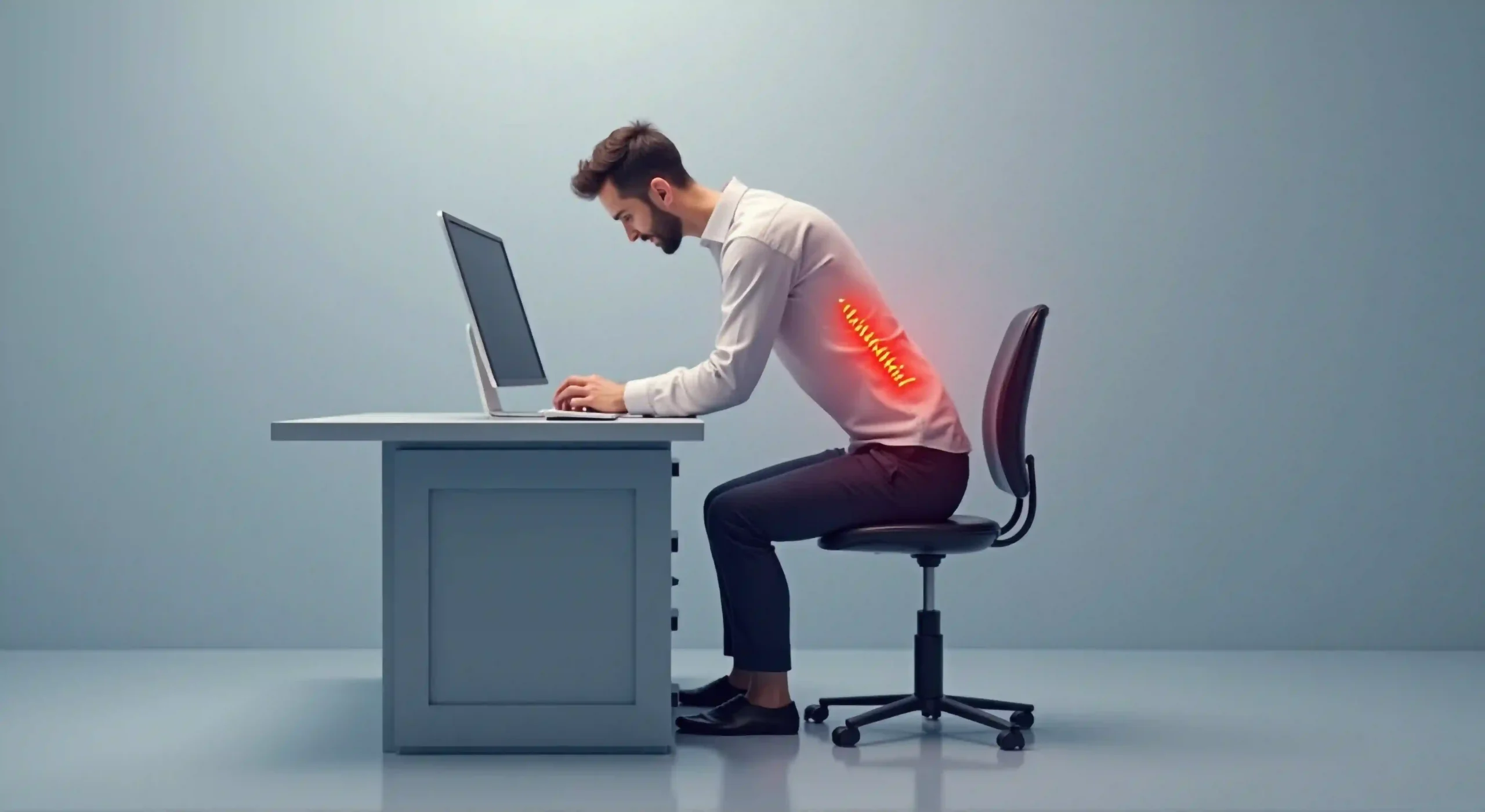
Best Sitting Positions for Different Situations
The ideal sitting posture can vary depending on the environment and activity. While the goal is always to maintain proper spinal alignment and minimize stress on the lower back, certain adjustments may be necessary in different situations. Understanding how to sit correctly in various settings can help reduce discomfort and support long-term spinal health.
Sitting at a Desk
For office workers and anyone who spends long hours at a computer, maintaining an ergonomic sitting position is essential. Sit with your back fully supported by the chair and keep your feet flat on the floor. Your knees should be at roughly a 90-degree angle, while your hips remain slightly higher than your knees. Position your monitor at eye level and keep your keyboard and mouse close enough to avoid reaching forward. This setup helps maintain a neutral spine and reduces strain on the lower back, neck, and shoulders.
Sitting While Working From Home
Many home workstations are not designed with ergonomics in mind, which can increase the risk of back pain. Whenever possible, use a supportive chair instead of working from a couch or bed. Add a lumbar cushion if needed to support the natural curve of your lower back. Ensure your screen is at eye level and take regular breaks to stand, stretch, or walk around. Creating an ergonomic home office can significantly improve comfort and productivity.
Sitting in the Car
Driving for extended periods can place considerable stress on the lumbar spine. Adjust your seat so your back is fully supported and your knees remain slightly bent while reaching the pedals comfortably. The seatback should be slightly reclined, typically between 100 and 110 degrees, to reduce pressure on the spine. If necessary, use a small lumbar support cushion to maintain the natural curve of your lower back during long drives.
Sitting on the Couch
Couches are often designed for relaxation rather than spinal support, which can encourage slouching. To improve posture while sitting on a couch, sit upright with your back supported and avoid sinking deeply into soft cushions. Placing a pillow behind your lower back can help maintain proper spinal alignment. Keeping your feet flat on the floor and changing positions regularly can also reduce strain on your lower back.
Sitting During Travel
Whether you’re on a plane, train, or bus, prolonged sitting during travel can lead to stiffness and discomfort. Use a travel pillow or lumbar support cushion when possible, and sit with your back supported against the seat. Avoid crossing your legs for long periods and try to move, stretch, or walk whenever opportunities arise. Small movements throughout your journey can improve circulation and help prevent lower back pain.
Sitting While Studying
Students often spend hours seated while reading, writing, or using a computer. Maintaining proper posture is important to prevent both immediate discomfort and long-term spinal issues. Sit at a desk that allows your elbows to rest comfortably at your sides, keep your shoulders relaxed, and avoid leaning forward excessively. Taking short movement breaks every 30 to 60 minutes can help reduce muscle fatigue and improve concentration.
Sitting While Watching Television
Many people spend their evenings sitting for extended periods while watching television. Rather than lying awkwardly on the couch or slouching forward, choose a position that supports the natural curves of your spine. Sit with your back supported, shoulders relaxed, and feet resting comfortably on the floor or a footrest. Periodically standing up and stretching during commercials or between episodes can help minimize stiffness and lower back tension.
Sitting in Meetings
Long meetings can make it difficult to maintain good posture. Try to sit with your back against the chair, keep both feet on the floor, and avoid leaning forward for extended periods. If possible, shift positions occasionally and take opportunities to stand or walk during breaks. These small adjustments can help reduce spinal stress and improve comfort throughout the day.
Sitting Positions That Can Make Lower Back Pain Worse
Understanding what not to do is equally important.
Slouching Forward
Slouching places excessive stress on spinal discs and stretches supportive ligaments beyond their intended range.
Sitting on the Edge of the Chair
Without proper back support, spinal muscles must work harder to maintain posture, leading to fatigue and discomfort.
Crossing Your Legs for Extended Periods
While occasional leg crossing is generally harmless, prolonged crossing may contribute to pelvic imbalance and postural asymmetry.
Sitting Without Back Support
Unsupported sitting encourages muscle strain and poor spinal alignment.
Remaining in One Position Too Long
Even perfect posture becomes problematic when maintained continuously for hours.
Movement remains essential for spinal health.
Why Movement Matters More Than Perfect Posture
Many people search for the perfect sitting position, believing it will eliminate all back pain. However, modern research increasingly suggests that movement may be just as important as posture itself. Regular stretching can complement healthy sitting habits. Learn how the back arch stretch may improve spinal mobility and flexibility.
The human body is designed for movement, not prolonged static positions. Even ideal posture can become uncomfortable when maintained for too long.
Experts often recommend standing, stretching, or walking briefly every 30 to 60 minutes. These movement breaks help improve circulation, reduce muscle fatigue, and decrease spinal loading.
Regular movement also helps prevent stiffness and encourages healthier joint function throughout the spine.
Chiropractic Perspective on Sitting and Lower Back Pain
While improving sitting posture can significantly reduce discomfort, posture alone may not address the underlying cause of persistent lower back pain. In many cases, spinal dysfunction, joint restrictions, muscle imbalances, and poor movement patterns contribute to ongoing symptoms.
This is where chiropractic care can play an important role.
How Chiropractors Evaluate Posture-Related Back Pain
A chiropractor does more than simply assess where pain is occurring. A comprehensive examination typically evaluates:
- Spinal alignment
- Joint mobility
- Muscle function
- Postural habits
- Range of motion
- Lifestyle factors
By identifying the root causes of pain, chiropractors can develop personalized treatment plans that address both symptoms and contributing factors.
Common Spinal Issues Associated with Prolonged Sitting
Long periods of sitting may contribute to several spinal problems, including:
Lumbar Joint Dysfunction
When spinal joints lose normal mobility, stiffness and discomfort may develop. Restricted movement can alter biomechanics and increase strain on surrounding tissues.
Muscle Imbalances
Extended sitting often causes:
- Tight hip flexors
- Weak gluteal muscles
- Reduced core strength
- Tight hamstrings
These imbalances can affect pelvic positioning and increase pressure on the lower back.
Disc-Related Stress
Poor posture may place additional pressure on spinal discs. Over time, this can contribute to disc irritation and discomfort, particularly when combined with prolonged sitting habits. Persistent disc-related discomfort may require further evaluation. Read more about herniated disc treatment and conservative management options.
How Chiropractic Care May Help
Chiropractic treatment focuses on restoring optimal spinal function and improving overall movement. If you’re considering chiropractic treatment for the first time, learn what a chiropractor does and how chiropractors assess spinal conditions.
Treatment plans may include:
- Chiropractic adjustments
- Soft tissue therapy
- Postural education
- Exercise recommendations
- Ergonomic advice
- Lifestyle modifications
Many patients report improvements in mobility, comfort, and daily function when chiropractic care is combined with healthy posture habits.
Long-Term Benefits of Chiropractic Care
Addressing spinal dysfunction early may help:
- Improve posture
- Reduce recurring pain
- Enhance flexibility
- Improve movement quality
- Support overall spinal health
For individuals whose symptoms persist despite ergonomic improvements, professional assessment may provide valuable insights into underlying issues. Many patients also ask about the ideal treatment schedule. Read our guide on how often you should go to the chiropractor to understand what influences your care plan.
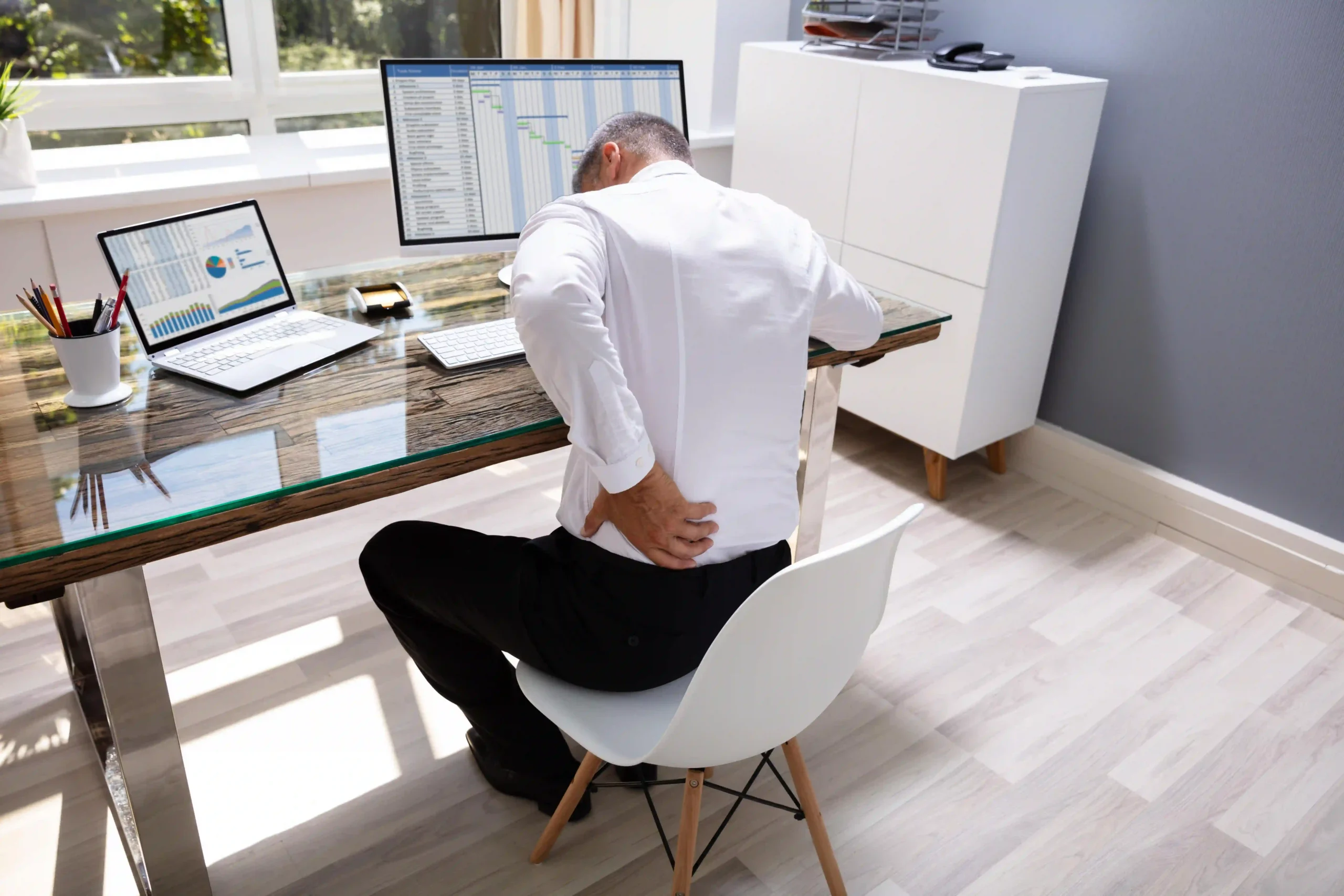
Exercises to Support Better Sitting Posture
Maintaining good sitting posture is not only about adjusting your chair or workstation. The muscles that support your spine, pelvis, shoulders, and core play a vital role in helping you sit comfortably and maintain proper alignment throughout the day. When these muscles become weak or tight, it becomes much more difficult to sustain healthy posture, increasing the risk of lower back pain, neck tension, and muscular fatigue. Incorporating targeted exercises into your routine can help strengthen key muscle groups, improve flexibility, and support better posture during prolonged sitting.
Core Strengthening Exercises
Strong core muscles provide stability for the spine and help reduce unnecessary strain on the lower back. Exercises such as planks, bird dogs, and dead bugs strengthen the abdominal and deep stabilizing muscles that support proper posture. A stronger core makes it easier to maintain a neutral spine while sitting and can help prevent slouching as the day progresses.
Glute Strengthening Exercises
The gluteal muscles play an important role in pelvic stability and overall posture. Prolonged sitting can cause these muscles to become weak and inactive, leading to compensatory stress on the lower back. Exercises such as glute bridges, squats, and step-ups help reactivate and strengthen the glutes, promoting better spinal support and reducing lower back strain.
Hip Flexor Stretches
Sitting for extended periods often causes the hip flexor muscles at the front of the hips to become tight and shortened. Tight hip flexors can pull the pelvis out of alignment and contribute to lower back discomfort. Gentle hip flexor stretches help improve mobility, restore flexibility, and support healthier posture by reducing tension around the hips and lower spine.
Hamstring Stretches
Tight hamstrings can affect pelvic positioning and place additional stress on the lower back. Stretching the hamstrings regularly can improve flexibility and help maintain proper alignment while sitting and standing. Simple seated or standing hamstring stretches can be effective when performed consistently.
Cat-Cow Stretch
The Cat-Cow stretch is a gentle mobility exercise that encourages movement throughout the spine. Alternating between spinal flexion and extension helps improve flexibility, reduce stiffness, and promote better awareness of spinal positioning. This exercise is particularly beneficial for individuals who spend long hours sitting at a desk.
Child’s Pose
Child’s Pose is a restorative stretch that gently lengthens the lower back, hips, and surrounding muscles. It can help relieve tension that accumulates during prolonged periods of sitting and provides a gentle way to improve flexibility and relaxation.
Thoracic Spine Mobility Exercises
Many posture problems originate in the upper back. Limited mobility in the thoracic spine often leads to rounded shoulders and forward head posture. Exercises such as thoracic rotations, wall angels, and foam roller extensions help improve upper back mobility and support better overall posture.
Chin Tucks
Forward head posture is a common issue among individuals who spend significant time using computers and mobile devices. Chin tuck exercises strengthen the muscles that support proper head alignment and help reduce strain on the neck and upper back. Performing this exercise regularly can improve posture and reduce tension associated with prolonged sitting.
Shoulder Blade Squeezes
Shoulder blade squeezes strengthen the muscles between the shoulder blades, helping counteract the effects of rounded shoulders. This simple exercise encourages better upper-body alignment and can be performed throughout the day, even while seated at a desk.
Standing and Walking Breaks
While strengthening and stretching exercises are important, movement itself is one of the most effective ways to support healthy posture. Standing up, walking, and changing positions every 30 to 60 minutes helps reduce muscle fatigue, improve circulation, and relieve pressure on the spine. Regular movement breaks can complement exercise routines and contribute significantly to long-term spinal health.
Consistency Is Key
The benefits of posture-supporting exercises come from performing them consistently over time. Combining strengthening, stretching, and mobility exercises with proper ergonomics and healthy sitting habits can help improve posture, reduce discomfort, and support overall spinal function. For individuals experiencing persistent pain or posture-related issues, consulting a chiropractor or healthcare professional can help identify the most appropriate exercise program for their specific needs.
When Lower Back Pain Requires Professional Attention
While occasional lower back discomfort may improve with better posture, regular movement, and simple self-care measures, persistent or worsening pain should not be ignored. If lower back pain lasts for several weeks, frequently returns, or begins to interfere with daily activities such as walking, working, exercising, or sleeping, it may indicate an underlying issue that requires professional evaluation. Seeking timely care can help identify the root cause of the problem and prevent symptoms from becoming more severe over time. Burning sensations in the lower back may indicate a different underlying condition. Learn more about burning pain in the lower back and its possible causes.
Professional attention is especially important if lower back pain is accompanied by symptoms such as numbness, tingling, weakness in the legs, or pain that radiates down the hips and legs. These symptoms may suggest nerve involvement or other spinal conditions that require a comprehensive assessment. A chiropractor can evaluate spinal alignment, joint mobility, posture, and movement patterns to develop a personalized treatment plan aimed at reducing pain, improving function, and supporting long-term spinal health.
FAQ
Is Sitting or Standing Better for Lower Back Pain?
Neither sitting nor standing is inherently better when maintained for excessive periods.
The healthiest approach involves regularly alternating between sitting, standing, and walking throughout the day.
How Often Should I Take Breaks From Sitting?
Most healthcare professionals recommend moving every 30 to 60 minutes.
Even a brief walk or stretch can help reduce spinal stress and muscle fatigue.
Can Poor Sitting Posture Cause Sciatica?
Poor posture alone may not directly cause sciatica, but prolonged sitting and spinal stress can aggravate underlying conditions that contribute to sciatic symptoms.
Are Ergonomic Chairs Worth It?
For many individuals, ergonomic chairs provide valuable support and encourage healthier sitting habits.
However, even the best chair cannot replace regular movement and exercise.
What Is the Best Chair for Lower Back Pain?
The ideal chair should provide:
- Adjustable lumbar support
- Proper seat height
- Comfortable cushioning
- Adjustable armrests
- Adequate back support
The best choice varies depending on individual body type and work requirements.
Can Chiropractic Care Help With Lower Back Pain?
Many people seek chiropractic care for lower back pain related to posture, joint dysfunction, muscle imbalance, and spinal mobility issues.
A chiropractor can assess your condition and recommend an individualized treatment plan based on your specific needs. If your discomfort extends beyond the lower back, explore our guide on back and neck pain to better understand how these conditions are often connected.
Conclusion
Finding the best sitting position for lower back pain involves more than simply sitting up straight. Healthy posture requires maintaining a neutral spine, supporting the natural curve of the lower back, keeping the feet flat on the floor, and positioning the body in a way that minimizes unnecessary strain.
Equally important is recognizing that movement matters. Even the most ergonomic workstation cannot fully counteract the effects of prolonged sitting. Taking regular breaks, strengthening supportive muscles, and maintaining flexibility are essential components of long-term spinal health.
For many individuals, lower back pain develops due to a combination of poor posture, muscle imbalances, joint dysfunction, and lifestyle habits. Addressing these factors early can help reduce discomfort and improve quality of life.
If your symptoms persist despite improving your sitting habits, professional evaluation may help identify underlying issues contributing to your pain.
Ready to Improve Your Spinal Health?
If you’re experiencing ongoing lower back pain, poor posture, or discomfort related to prolonged sitting, the experienced team at Wave Chiropractic is here to help.
Through comprehensive assessments, personalized treatment plans, and evidence-informed chiropractic care, we help patients improve spinal function, enhance mobility, and support long-term wellbeing.
Contact Wave Chiropractic today to schedule your consultation and take the first step toward better posture, improved comfort, and a healthier spine.

Elemmentor Box
Dr. Hussein
Chiropractor & Director
Is an esteemed chiropractor renowned for his innovative approach to chronic pain management and the transformative power of chiropractic care on brain function
Recent Posts
Disc Problems: Causes, Symptoms, and Treatment Options
8 Famous People With Herniated Discs and Lower Back Disc Injuries
How to Sleep With Sciatica: Best Sleeping Positions and Pain Relief Tips
Categories