

Best Sleeping Position for Neck Pain: How to Sleep Without Making It Worse
Waking up with a stiff or painful neck can make even simple activities like turning your head, driving, or working at a computer uncomfortable. While many people assume the problem is their mattress or pillow alone, the way you sleep also plays a significant role. During sleep, your muscles relax, leaving your cervical spine dependent on your sleeping posture and pillow for support. If your neck remains bent or twisted for several hours, the joints, muscles, and ligaments can become irritated, leading to pain and stiffness the next morning. Persistent morning discomfort may be a sign of an underlying neck pain condition rather than simply sleeping in an awkward position.
Research suggests that sleep quality and musculoskeletal pain are closely connected. A systematic review published in Sleep Medicine Reviews found that poor sleep can both contribute to and worsen chronic musculoskeletal pain, while pain itself further disrupts sleep, creating a cycle that becomes increasingly difficult to break. Likewise, neck pain is one of the leading causes of disability worldwide, affecting an estimated 203 million people in 2020, according to the Global Burden of Disease Study 2021, making effective nighttime support an important part of managing symptoms.
The good news is that small adjustments to your sleeping posture can reduce unnecessary strain on your neck and improve spinal support overnight. However, there is no single position that works for everyone. The ideal approach depends on maintaining a neutral spine, choosing an appropriate pillow, and considering the underlying cause of your neck pain.
Quick Answer:
The best sleeping position for neck pain is generally sleeping on your back or side while keeping your head, neck, and spine in a neutral alignment. A supportive pillow that maintains the natural curve of your neck can help reduce pressure on the cervical joints and surrounding muscles, while stomach sleeping is usually the least recommended because it places the neck in prolonged rotation.
Why Your Sleeping Position Affects Neck Pain
Your neck, or cervical spine, consists of seven vertebrae, intervertebral discs, facet joints, ligaments, muscles, and nerves that work together to support the weight of your head. Since the average adult head weighs approximately 10–12 pounds (4.5–5.5 kg), even slight deviations from a neutral position can significantly increase the load placed on these structures over several hours of sleep. Poor sleeping posture is only one possible factor, and understanding the causes of neck pain can help determine whether your symptoms are related to muscles, joints, nerves, or another underlying condition.
When you sleep with your head tilted too far forward, backward, or to one side, the muscles and ligaments remain under continuous tension instead of fully relaxing. At the same time, uneven pressure is applied to the facet joints and spinal discs, which may contribute to morning stiffness or aggravate existing neck conditions.
Maintaining neutral spinal alignment means your ears, shoulders, and hips stay in a relatively straight line while you sleep. In this position, the cervical spine preserves its natural inward curve, allowing muscles to relax while minimizing stress on the joints and surrounding soft tissues.
Clinical evidence supports the importance of spinal alignment during sleep. According to the American Academy of Sleep Medicine (AASM) and several musculoskeletal rehabilitation studies, proper sleep posture can reduce mechanical stress on the spine and improve overall sleep comfort, particularly for people experiencing persistent neck discomfort.
Poor sleeping posture may contribute to neck pain by:
- Increasing muscle tension overnight
- Compressing cervical joints
- Irritating spinal nerves
- Reducing normal blood flow to muscles
- Increasing stress on spinal discs
- Triggering headaches related to neck dysfunction
For example, sleeping with multiple pillows may push your head into excessive flexion, while using a pillow that is too thin can allow your head to fall backward. Both situations disturb spinal alignment and may leave you waking with increased stiffness.
It is also important to recognize that sleep posture is only one part of the picture. Neck pain may also be influenced by factors such as prolonged desk work, previous injuries, arthritis, stress, poor daytime posture, or degenerative changes in the cervical spine. Optimizing your sleeping position helps reduce additional strain, but it does not replace appropriate assessment when symptoms persist.
What Is the Best Sleeping Position for Neck Pain?
There is no universally perfect sleeping position for every person with neck pain. Instead, the goal is to choose a position that keeps your head, neck, and spine aligned while minimizing pressure on the cervical joints and surrounding muscles. For most people, back sleeping and side sleeping provide the greatest support when combined with an appropriately sized pillow.
A review published in the Journal of Manipulative and Physiological Therapeutics found that sleep posture and pillow characteristics can influence waking spinal symptoms, although individual comfort, body shape, and underlying conditions should always be considered when selecting the most appropriate sleeping position.
Healthcare professionals generally recommend evaluating three factors together rather than focusing on sleep position alone:
- The position of your cervical spine
- The height and firmness of your pillow
- Whether your shoulders, hips, and spine remain aligned throughout the night
The following sections compare the three most common sleeping positions, outlining their benefits, limitations, and practical recommendations to help you determine which may be most suitable for your specific situation.
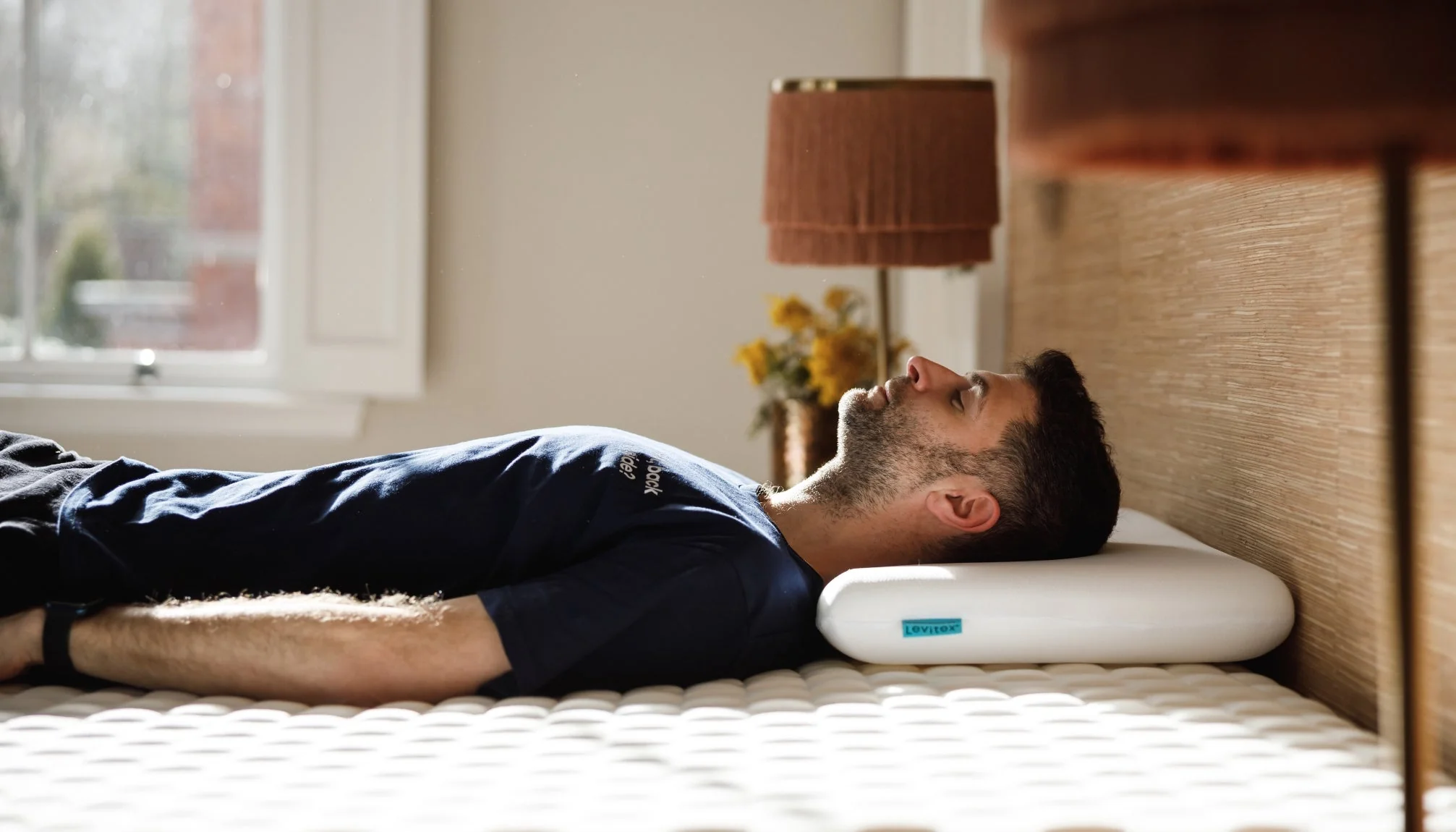
Back Sleeping: Is It the Best Choice for Neck Pain?
For many people, back sleeping is considered the most supportive sleep position because it allows the head, neck, and upper back to rest in a neutral position. When the cervical spine maintains its natural curve, the surrounding muscles can relax more effectively, and pressure is distributed more evenly across the spinal joints.
Rather than forcing the neck into flexion or rotation, back sleeping helps keep the ears aligned with the shoulders, reducing unnecessary strain on the cervical muscles and ligaments. This position is particularly beneficial for people who wake up with generalized neck stiffness or discomfort that worsens after sleeping.
A study published in the Journal of Physical Therapy Science reported that maintaining proper cervical alignment during rest may reduce muscle activity and improve comfort in individuals with mechanical neck pain. While sleep position alone is unlikely to resolve chronic neck conditions, reducing prolonged stress on the cervical spine can help minimize overnight irritation.
Why Back Sleeping Can Help
Sleeping on your back may offer several advantages, including:
- Maintaining the natural curve of the neck
- Reducing uneven pressure on the cervical joints
- Allowing muscles to relax overnight
- Minimizing excessive head rotation
- Supporting more even weight distribution across the spine
People recovering from minor muscle strains or postural neck pain often find that back sleeping reduces morning stiffness when combined with a supportive pillow. Maintaining better spinal alignment overnight may also help reduce recurring neck stiffness when waking in the morning.
How to Sleep on Your Back Correctly
Proper technique matters just as much as the position itself.
For optimal support:
- Use a pillow that supports the natural curve of your neck without pushing your head too far forward.
- Keep your shoulders resting on the mattress rather than elevated onto the pillow.
- Position your head so it faces the ceiling instead of turning to one side.
- Place a small pillow beneath your knees if you experience lower back tension, helping maintain overall spinal alignment.
Many cervical support pillows are designed with a slightly higher edge beneath the neck and a lower center for the head, allowing the cervical spine to maintain a more neutral posture throughout the night.
Potential Limitations
Although back sleeping is often recommended, it is not ideal for everyone. Some people with obstructive sleep apnea or frequent snoring may experience worsening symptoms in this position. Others simply find it uncomfortable after years of sleeping on their side.
The most effective sleeping position is ultimately one that keeps the spine aligned while allowing you to sleep comfortably throughout the night.

Side Sleeping: An Excellent Option When Done Correctly
Side sleeping is one of the most common sleep positions worldwide, with studies estimating that more than half of adults naturally prefer sleeping on their side. When performed correctly, it can provide excellent support for the neck while also helping maintain overall spinal alignment.
The key difference between beneficial and harmful side sleeping is pillow support. Without enough height, the head drops toward the mattress. With too much height, the head bends upward. Either position places unnecessary stress on the cervical spine for several hours.
Benefits of Side Sleeping
Proper side sleeping may help:
- Maintain a straight spine from head to hips
- Reduce strain on neck muscles
- Decrease pressure on spinal joints
- Improve comfort for people with certain shoulder or back conditions
- Reduce snoring in some individuals
Research has shown that maintaining a neutral cervical position during side sleeping can reduce muscle activation compared with unsupported positions, allowing tissues to recover more effectively during sleep.
How to Sleep on Your Side Properly
To maximize support:
- Choose a pillow that fills the space between your shoulder and head.
- Keep your nose aligned with the center of your chest rather than pointing toward the mattress or ceiling.
- Avoid curling your chin tightly toward your chest.
- Place a pillow between your knees to reduce pelvic rotation and improve spinal alignment.
- Keep your shoulders stacked instead of rolling forward.
People with broader shoulders often require a higher pillow than those with narrower shoulders because the gap between the mattress and neck is greater.
Common Mistakes During Side Sleeping
Many people unknowingly create additional stress on their neck by:
- Sleeping with one arm underneath the pillow
- Using multiple stacked pillows
- Twisting the upper body while keeping the hips stationary
- Allowing the head to tilt downward toward the mattress
These positions can place uneven pressure on the cervical joints and contribute to morning neck stiffness.

Why Stomach Sleeping Is Usually Not Recommended
Although some people find stomach sleeping comfortable, most spine specialists consider it the least favorable position for neck pain. Unlike back or side sleeping, stomach sleeping requires turning the head to one side for prolonged periods, placing the cervical spine in sustained rotation.
Maintaining this rotated posture for six to eight hours each night may increase stress on muscles, ligaments, and facet joints. For individuals who already have neck pain, arthritis, or cervical disc degeneration, this prolonged position may contribute to increased stiffness upon waking.
Researchers studying spinal biomechanics have consistently found that prolonged neck rotation increases mechanical loading on cervical tissues, particularly when combined with poor pillow support.
Why It Can Increase Neck Pain
Stomach sleeping may:
- Increase muscle tension
- Compress cervical joints
- Reduce normal spinal alignment
- Irritate sensitive cervical structures
- Contribute to morning stiffness
The lower back may also become excessively arched in this position, creating additional stress throughout the spine.
What If You Can’t Stop Sleeping on Your Stomach?
Changing sleep habits takes time. If you naturally roll onto your stomach during the night, gradual adjustments are usually more successful than trying to change overnight.
You can reduce strain by:
- Using a very thin pillow or no pillow beneath your head if comfortable.
- Placing a pillow beneath your pelvis to reduce stress on the lower back.
- Practicing side sleeping when first falling asleep.
- Using body pillows to discourage rolling during the night.
Over time, many people find they naturally adapt to side or back sleeping as these positions become more comfortable.
Even if you cannot completely eliminate stomach sleeping, reducing the amount of time spent in this position may lessen the mechanical stress placed on your cervical spine overnight.
How to Sleep With Neck Pain: Step-by-Step Tips for Better Sleep
If you’re wondering how to sleep with neck pain, changing your sleeping position is only part of the solution. Your bedtime routine, pillow support, and sleeping posture all work together to reduce stress on the cervical spine. Even small adjustments can make a noticeable difference over time, especially if your pain is caused by muscle tension or poor posture rather than a serious underlying condition.
Research published by the American Physical Therapy Association (APTA) suggests that combining posture correction, gentle exercise, and ergonomic changes often provides better outcomes for mechanical neck pain than relying on a single intervention alone. While these strategies are not a cure, they can help create a more supportive environment for recovery during sleep.
Before Going to Bed
Preparing your neck before sleep may reduce muscle tension and improve comfort throughout the night.
Consider the following habits:
- Perform gentle neck mobility exercises for 5–10 minutes.
- Apply a warm compress or heating pad for 15–20 minutes if muscles feel tight.
- Avoid looking down at your phone or tablet for long periods immediately before bed.
- Practice deep breathing or relaxation exercises to decrease muscle tension.
- Stay hydrated, as dehydration may contribute to muscle cramping in some individuals.
These simple habits help relax the muscles that support your cervical spine, making it easier to maintain a comfortable sleep position for neck pain.
While You’re Sleeping
Once you’re in bed, focus on maintaining spinal alignment rather than simply finding a comfortable position.
Keep these principles in mind:
- Keep your head aligned with your shoulders instead of tilting it forward or backward.
- Avoid twisting your neck for prolonged periods.
- Keep your shoulders on the mattress, not on the pillow.
- Choose a pillow that supports your neck without forcing it into an unnatural position.
- If you’re a side sleeper, place a pillow between your knees to keep your hips and spine aligned.
- If you sleep on your back, placing a pillow beneath your knees can help maintain a neutral spinal posture.
These adjustments reduce unnecessary strain on the cervical joints and soft tissues throughout the night.
When You Wake Up
The first few minutes after waking are important because your joints and muscles may be slightly stiff after remaining in one position for several hours. Poor shoulder support during side sleeping may also contribute to neck and shoulder pain, especially if your pillow is too low.
Instead of getting out of bed quickly:
- Roll onto your side before sitting up.
- Move your neck gently through a comfortable range of motion.
- Stretch your shoulders and upper back.
- Avoid sudden twisting or rapid neck movements.
- If stiffness lasts only a few minutes and improves with movement, it’s often related to overnight positioning rather than a serious injury.
If your neck pain consistently worsens every morning despite improving your sleep posture, it may be worth seeking an evaluation from a healthcare professional. If you regularly wake up with neck pain, your sleeping posture, pillow, or an underlying spinal condition may need further assessment.
Choosing the Best Pillow for Neck Pain
Finding the best sleeping position for neck pain is only half the equation. Your pillow plays an equally important role because it supports the natural curve of your neck throughout the night. Even the healthiest sleep position can become problematic if your pillow is too high, too flat, too soft, or no longer provides adequate support.
A systematic review published in the Journal of Pain Research found that certain ergonomic pillows may improve waking neck pain, sleep quality, and overall comfort compared with standard pillows, although no single pillow design is ideal for everyone.
Rather than focusing on a specific brand, look for a pillow that keeps your head level with your spine in your preferred sleeping position.
Memory Foam Pillows
Memory foam pillows contour to the shape of your head and neck, helping distribute pressure more evenly.
They may benefit people who:
- Wake with neck stiffness
- Change positions infrequently during sleep
- Prefer moderate to firm support
However, some sleepers may find memory foam retains heat more than other materials.
Latex Pillows
Natural latex pillows provide consistent support while maintaining their shape over time.
Benefits include:
- Good pressure distribution
- Excellent durability
- Responsive support
- Better airflow than some memory foam products
Latex may be a good option for people who frequently change sleeping positions.
Cervical Pillows
Cervical pillows feature a contoured design that supports the natural curve of the neck.
They are commonly recommended for people with:
- Chronic neck stiffness
- Mechanical neck pain
- Degenerative cervical conditions
While many users report improved comfort, selecting the correct height is essential. A contour that is too high or too low may reduce the intended benefit.
Adjustable Loft Pillows
Adjustable pillows allow you to add or remove filling until the height matches your body shape and preferred sleep position for neck pain.
They are particularly useful for:
- Combination sleepers
- Side sleepers with broad shoulders
- People experimenting with different sleeping positions
How High Should Your Pillow Be?
There is no universal pillow height.
Instead, the correct loft depends on:
- Your sleeping position
- Shoulder width
- Mattress firmness
- Body size
A pillow should fill the space between your neck and the mattress without forcing your head upward or allowing it to fall downward. The goal is always maintaining spinal alignment from your head through your upper back.
Side Sleeping vs. Back Sleeping: Which Is Better?
Both side sleeping and back sleeping are widely recommended for people experiencing neck pain. Rather than asking which position is universally better, it’s more helpful to ask which one better supports your individual anatomy and symptoms.
| Feature | Back Sleeping | Side Sleeping |
|---|---|---|
| Cervical Alignment | Excellent with the right pillow | Excellent with correct pillow height |
| Pressure on Neck Joints | Low | Low |
| Spinal Alignment | Easy to maintain | Very good when hips and shoulders are aligned |
| Snoring | May worsen | Often improves |
| Sleep Apnea | Not always ideal | Frequently recommended |
| Shoulder Comfort | Best for most people | May require additional shoulder support |
| Morning Neck Stiffness | Often reduced | Often reduced with proper pillow support |
Back Sleeping May Be Better If You:
- Wake with generalized neck stiffness
- Have difficulty maintaining a neutral neck position
- Prefer sleeping without rotating your head
- Experience tension from prolonged desk work
Side Sleeping May Be Better If You:
- Naturally sleep on your side
- Snore frequently
- Have mild sleep apnea
- Can maintain proper pillow height and shoulder support
Ultimately, the best sleeping position for neck pain is the one that keeps your head, neck, and spine in a neutral position throughout the night. Comfort, pillow support, and consistent spinal alignment matter far more than following a one-size-fits-all recommendation.
Expert Tip: If switching positions feels uncomfortable, make gradual changes over several nights rather than forcing a completely new sleeping posture in one evening. Small, consistent adjustments are more likely to become long-term habits and may help reduce neck discomfort over time.
Common Sleeping Mistakes That Can Make Neck Pain Worse
Even if you’ve found the best sleeping position for neck pain, certain habits can still place unnecessary stress on your cervical spine. In many cases, it’s not the sleeping position itself that causes discomfort—it’s poor support or improper alignment maintained for several hours.
A study examining sleep ergonomics found that prolonged awkward neck positions during sleep may contribute to increased muscle stiffness and waking cervical pain, particularly in people with pre-existing neck disorders. Correcting these habits can often improve comfort without changing your preferred sleeping position.
Using a Pillow That’s Too High
One of the most common mistakes is using an overly thick pillow.
A pillow that’s too high pushes your head forward (when back sleeping) or upward (when side sleeping), placing your neck in continuous flexion throughout the night.
Over time, this may:
- Increase muscle tension
- Stress the cervical joints
- Cause morning headaches
- Lead to waking with a stiff neck
Your pillow should support the natural curve of your neck—not force it into an unnatural angle. Sleeping with poor cervical support may also contribute to neck pain and headaches, particularly when muscle tension builds overnight.
Sleeping With a Pillow That’s Too Flat
The opposite problem can be just as harmful.
If your pillow is too thin, your head may fall backward when sleeping on your back or drop toward the mattress during side sleeping.
Without adequate support, your neck muscles remain active overnight instead of relaxing.
Sleeping With Multiple Pillows
Many people stack two or three pillows in an attempt to feel more comfortable.
Unfortunately, multiple pillows often:
- Push the chin toward the chest
- Round the upper back
- Reduce spinal alignment
- Increase pressure on the cervical discs
Unless specifically advised by a healthcare professional, using one appropriately sized pillow is generally a better option.
Sleeping With Your Arm Under Your Head
Placing your arm beneath your pillow or head may feel comfortable initially, but it often elevates one shoulder and twists the neck.
This position can:
- Tighten the upper trapezius muscles
- Compress the shoulder joint
- Irritate cervical nerves
- Cause numbness or tingling in the arm
Instead, keep your arms comfortably in front of your body or by your sides.
Falling Asleep on the Couch
Many people accidentally fall asleep while watching television.
Unlike a mattress, couches rarely provide enough room to maintain a neutral neck position.
Sleeping on a couch often forces the neck into:
- Side bending
- Rotation
- Forward flexion
Even one night of sleeping in this position may contribute to significant morning stiffness.
Continuing to Use an Old Pillow
Pillows gradually lose their ability to support your neck.
Depending on the material, many sleep experts recommend replacing pillows every 18–36 months, especially if they have become flattened, lumpy, or no longer return to their original shape.
Signs your pillow should be replaced include:
- Permanent indentations
- Loss of firmness
- Uneven support
- Increased neck pain after sleeping
Can Changing Your Sleeping Position Really Help?
Many people ask whether changing their sleep position for neck pain can actually relieve symptoms.
The answer is yes—for many people—but it depends on the underlying cause of the pain.
If your neck pain is primarily caused by:
- Muscle strain
- Poor posture
- Mild joint irritation
- Sleeping in awkward positions
then improving your sleeping posture may significantly reduce overnight stress on your cervical spine.
However, changing your sleeping position alone is unlikely to completely resolve pain caused by:
- Cervical disc herniation
- Advanced arthritis
- Nerve compression
- Whiplash injuries
- Certain inflammatory conditions
In these situations, sleep posture should be viewed as one component of a comprehensive treatment plan.
Research published in the Journal of Orthopaedic & Sports Physical Therapy (JOSPT) recommends combining education, exercise, posture correction, and manual therapy for persistent mechanical neck pain rather than relying on passive interventions alone. Although improving sleep posture can help, people with chronic neck pain often require a more comprehensive treatment plan.
When You May Notice Improvement
For posture-related neck pain, many people notice improvement within a few days to several weeks after improving their sleep posture and pillow support.
Factors that influence recovery include:
- The severity of your symptoms
- Daily posture habits
- Work ergonomics
- Stress levels
- Physical activity
- Consistency with sleep positioning
Remember that your body has adapted to your previous sleeping habits over many years. It may take several nights before a new position begins to feel natural.
When Neck Pain During Sleep Could Be Something More Serious
Most episodes of neck pain after sleeping improve with simple self-care measures, but persistent or severe symptoms shouldn’t be ignored.
Seek medical assessment if your neck pain is accompanied by:
- Pain radiating into your arm or hand
- Persistent numbness or tingling
- Muscle weakness
- Difficulty with balance or coordination
- Loss of bladder or bowel control
- Fever, chills, or unexplained weight loss
- Severe pain following a fall or accident
- Pain that continues for several weeks despite conservative care
- Night pain that regularly wakes you from sleep without changing position
These symptoms may indicate conditions requiring prompt evaluation, such as nerve compression, spinal cord involvement, infection, fracture, or another underlying medical condition.
Early assessment is particularly important if your symptoms are progressively worsening or interfering with your daily activities.
Rather than continuing to experiment with different pillows or sleeping positions, consult a qualified healthcare professional who can identify the cause of your symptoms and recommend an appropriate treatment plan.
How Is Neck Pain Treated?
Finding the best sleeping position for neck pain can reduce stress on your cervical spine, but it’s only one part of the recovery process. If your symptoms persist beyond a few days or keep returning, addressing the underlying cause is just as important as improving your sleeping posture.
The most effective treatment depends on what’s causing your neck pain. Muscle strain from poor posture requires a different approach than arthritis, a pinched nerve, or a cervical disc injury. That’s why current clinical guidelines recommend an individualized treatment plan rather than a one-size-fits-all solution.
According to the American Physical Therapy Association (APTA) and the Journal of Orthopaedic & Sports Physical Therapy (JOSPT) Clinical Practice Guidelines, conservative treatments are highly effective for most cases of non-specific neck pain, especially when treatment begins early. Different types of neck pain respond to different treatments, making an accurate diagnosis essential before beginning care.
Conservative Treatments That Often Help
Depending on your diagnosis, your healthcare provider may recommend one or more of the following:
- Activity modification instead of prolonged bed rest
- Targeted stretching and strengthening exercises
- Manual therapy
- Chiropractic adjustments (when clinically appropriate)
- Soft tissue therapy
- Heat or cold therapy
- Postural retraining
- Ergonomic changes at work
- Sleep posture correction
- Short-term pain-relieving medication if recommended by your physician
Studies consistently show that combining exercise with manual therapy generally provides better long-term outcomes than passive treatments alone for mechanical neck pain.
Neck Pain Treatment at Wave Chiropractic
At Wave Chiropractic, we understand that waking up with neck pain isn’t just uncomfortable—it can affect your productivity, concentration, sleep quality, and overall well-being.
Rather than focusing only on symptom relief, our chiropractors perform a comprehensive assessment to identify why your neck pain developed in the first place. We evaluate your posture, spinal mobility, muscle function, sleeping habits, work ergonomics, and daily activities to create a personalized treatment plan.
Your care may include a combination of evidence-based therapies such as:
Chiropractic Adjustments
Gentle chiropractic adjustments aim to restore normal movement in restricted spinal joints, helping reduce stiffness while improving mobility. If you’re wondering what treatment involves, learn more about how a neck adjustment may help improve spinal mobility and reduce joint restriction.
Research published in the British Medical Journal (BMJ) and JOSPT suggests that spinal manipulation, when performed by qualified healthcare professionals, can be an effective treatment option for certain types of mechanical neck pain.
Soft Tissue Therapy
Tight muscles often contribute to persistent neck discomfort.
Soft tissue techniques may help:
- Reduce muscle tension
- Improve circulation
- Restore flexibility
- Decrease painful trigger points
Corrective Exercises
Exercise is one of the strongest predictors of long-term improvement.
Your chiropractor may prescribe exercises that strengthen:
- Deep neck flexors
- Upper back muscles
- Shoulder stabilizers
- Core muscles that support overall posture
These exercises are tailored to your condition and designed to improve long-term spinal stability.
Posture and Ergonomic Advice
Many patients spend 7–10 hours each day using computers, tablets, or smartphones.
We provide practical guidance on:
- Desk setup
- Monitor height
- Sitting posture
- Driving posture
- Lifting mechanics
- How to sleep with neck pain using proper pillow support and sleeping positions
Addressing these daily habits helps reduce repeated strain on the cervical spine and supports lasting improvement. If you spend long hours at a desk, improving your workstation can reduce neck pain at work and prevent symptoms from returning.
Personalized Sleep Recommendations
Sleep is often overlooked during neck pain treatment.
At Wave Chiropractic, we assess:
- Your preferred sleep position for neck pain
- Pillow height and firmness
- Mattress support
- Overnight posture
- Morning symptoms
We then provide personalized recommendations to help improve spinal alignment while you sleep, reducing unnecessary stress on your neck each night.
Why Choose Wave Chiropractic for Neck Pain?
If neck pain is affecting your sleep, work, or everyday life, getting the right diagnosis is the first step toward lasting relief.
At Wave Chiropractic, our goal isn’t simply to relieve pain temporarily—we focus on identifying and addressing the underlying cause while helping you prevent future episodes. If you’ve never visited a chiropractor before, understanding what a chiropractor can do may help you know what to expect during your first consultation.
Patients choose our clinic because we provide:
- Comprehensive spinal assessments
- Evidence-informed chiropractic care
- Individualized treatment plans
- Rehabilitation exercises tailored to your goals
- Practical advice for posture, work ergonomics, and sleep
- Ongoing support to help you stay active and pain-free
Whether your symptoms started after sleeping awkwardly, spending long hours at a desk, or gradually developed over time, our team can help you understand what’s contributing to your discomfort and develop a treatment plan that fits your lifestyle.
If you’re regularly waking with neck stiffness or struggling to find the best sleeping position for neck pain, booking an assessment can help determine whether an underlying spinal or muscular issue is preventing your symptoms from improving. Treatment frequency varies depending on your condition, and your chiropractor can recommend how often you should go to the chiropractor based on your symptoms and recovery goals.
Frequently Asked Questions
What is the best sleeping position for neck pain?
For most people, the best sleeping position for neck pain is either sleeping on your back or side while maintaining spinal alignment. The goal is to keep your head, neck, and upper back in a neutral position so the muscles and joints are not under unnecessary strain throughout the night. The right pillow is just as important as the position itself.
Is side sleeping good for neck pain?
Yes. Side sleeping can be an excellent option if your pillow is the correct height. Your head should remain level with your spine rather than tilting toward the mattress or ceiling. Placing a pillow between your knees can also help keep your hips and spine aligned.
Is back sleeping better than side sleeping?
Neither position is universally better. Back sleeping often places the least stress on the cervical spine, while side sleeping also provides excellent support when performed correctly. The best sleeping position for neck pain is the one that maintains proper spinal alignment and allows you to sleep comfortably.
Can sleeping in the wrong position cause neck pain?
Yes. Sleeping with your neck bent, twisted, or unsupported for several hours may strain muscles, ligaments, and joints. Over time, poor sleep posture can contribute to morning stiffness, headaches, and recurring neck discomfort.
How should I sleep with neck pain?
If you’re wondering how to sleep with neck pain, try sleeping on your back or side with a supportive pillow that keeps your neck aligned with your spine. Avoid stomach sleeping whenever possible, and choose a pillow that fills the gap between your neck and the mattress without pushing your head out of alignment.
What type of pillow is best for neck pain?
The best pillow depends on your body shape and preferred sleeping position. Memory foam, latex, cervical, and adjustable loft pillows can all provide good support when properly fitted. Rather than focusing on one material, choose a pillow that helps maintain a neutral neck position throughout the night.
Why does my neck hurt every morning?
Morning neck pain is often caused by poor sleeping posture, an unsupportive pillow, muscle tension, or underlying conditions such as arthritis or cervical disc problems. If your symptoms continue despite improving your sleep posture, it’s a good idea to seek a professional assessment.
How long does neck pain from sleeping wrong last?
Minor neck pain caused by sleeping in an awkward position often improves within a few days with rest, gentle movement, and proper sleep support. If your pain lasts longer than one to two weeks, becomes progressively worse, or is accompanied by numbness or weakness, consult a healthcare professional.
Key Takeaways
- The best sleeping position for neck pain is usually back sleeping or side sleeping with proper support.
- Maintaining spinal alignment is more important than choosing one specific sleeping position.
- A supportive pillow should keep your head level with your spine—not too high or too low.
- Stomach sleeping generally places the greatest stress on the cervical spine and is best avoided whenever possible.
- Learning how to sleep with neck pain involves more than changing positions; your pillow, mattress, and bedtime habits all play important roles.
- Most posture-related neck pain improves with conservative care, but persistent or worsening symptoms should be evaluated by a qualified healthcare professional.
- If neck pain continues to affect your sleep or daily life, an assessment at Wave Chiropractic can help identify the underlying cause and develop a personalized treatment plan.

Elemmentor Box
Dr. Hussein
Chiropractor & Director
Is an esteemed chiropractor renowned for his innovative approach to chronic pain management and the transformative power of chiropractic care on brain function
Recent Posts
Slipped Disc: Symptoms, Treatment and Recovery Time
Disc Problems: Causes, Symptoms, and Treatment Options
8 Famous People With Herniated Discs and Lower Back Disc Injuries
Categories