Herniated Disc Upper Back: Causes, Symptoms & Treatment Options
An upper back herniated disc—also known as a thoracic disc herniation—is a less common but potentially painful spinal condition that can affect posture, mobility, and even nerve function. While many people associate disc problems with the neck or lower back, the thoracic spine (mid-back) can also develop disc injuries that require proper diagnosis and treatment.
The good news is that most cases of herniated disc upper back or bulging disc upper back improve significantly with conservative care such as physiotherapy, posture correction, and chiropractic treatment. Understanding the condition early can help prevent worsening symptoms and support faster recovery. Disc injuries can affect different parts of the spine, from the neck to the lower back. If you’re experiencing symptoms in your lower spine as well, read our guide on herniated disc treatment to learn about diagnosis, recovery, and conservative treatment options.
What Is a Herniated Disc in the Upper Back?
A herniated disc in the upper back (also called a thoracic disc herniation) is a condition where one of the soft, cushion-like discs between the vertebrae in the mid-spine becomes damaged and its inner gel-like material pushes outward through a tear in the outer layer.
The spine is made up of bones called vertebrae, and between them are discs that act like shock absorbers. When a disc in the thoracic (upper/mid-back) region herniates, it can irritate nearby spinal nerves or, in some cases, put pressure on the spinal cord itself.
This can lead to symptoms such as:
- Mid-back pain or stiffness
- Pain that wraps around the ribs or chest
- Tingling or numbness in the torso
- In severe cases, weakness or balance issues
A herniated disc upper back is less common than in the neck or lower back because the thoracic spine is more stable due to the rib cage. However, when it does occur, it can be more complex because of the limited space around the spinal cord in this area.
Most cases improve with conservative treatment such as posture correction, physiotherapy, and sometimes chiropractic care, but proper diagnosis is important to rule out other causes of chest or back pain.
What Causes a Herniated Disc in the Upper Back?
A herniated disc in the upper back can develop for several reasons, ranging from the natural ageing process to sudden injuries. While thoracic disc herniations are relatively uncommon, understanding the underlying causes can help reduce your risk and encourage early treatment. Age-related wear and tear is a leading cause of spinal disc problems. Learn more about degenerative disc disease and how it affects long-term spinal health.
Age-Related Disc Degeneration
The most common cause of a herniated disc upper back is age-related wear and tear, known as disc degeneration. As spinal discs age, they gradually lose water content and elasticity, making them less effective at absorbing shock. This increases the likelihood of small tears forming in the outer layer of the disc, allowing the inner gel-like material to protrude. Maintaining proper posture is one of the best ways to reduce unnecessary pressure on the spine. Learn about the best sitting position for lower back pain to help protect your spinal discs throughout the day.
Poor Posture
Poor posture places unnecessary stress on the thoracic spine. Sitting for long periods with rounded shoulders, slouching while using electronic devices, or working at an improperly adjusted workstation can gradually overload the spinal discs. Over time, this repetitive strain may contribute to a bulging disc upper back or progress to a herniated disc.
Repetitive Lifting and Twisting
Jobs or activities that involve frequent bending, lifting, or twisting can increase pressure on the spinal discs. Repeating these movements without proper body mechanics may weaken the disc over time and increase the risk of injury.
Sudden Trauma or Injury
Falls, motor vehicle accidents, sports injuries, or other high-impact events can place excessive force on the thoracic spine. In some cases, this sudden pressure may cause a disc to bulge or herniate, particularly if the disc has already been weakened by age or degeneration.
Lifestyle Factors
Certain lifestyle habits can also contribute to spinal disc problems. Smoking reduces blood flow to spinal tissues, slowing disc repair and accelerating degeneration. Carrying excess body weight places additional stress on the spine, while a sedentary lifestyle may weaken the muscles that support proper spinal alignment.
Genetics and Family History
Some people are genetically more susceptible to developing degenerative spinal conditions. A family history of disc disease may increase the likelihood of developing a bulging disk in upper back or herniated disc, especially when combined with other risk factors.
Although the thoracic spine is reinforced by the rib cage and is naturally more stable than the neck or lower back, disc injuries can still occur. Identifying the underlying cause is an important step toward selecting the most effective treatment and preventing future episodes.
Symptoms of a Herniated Disc in Upper Back
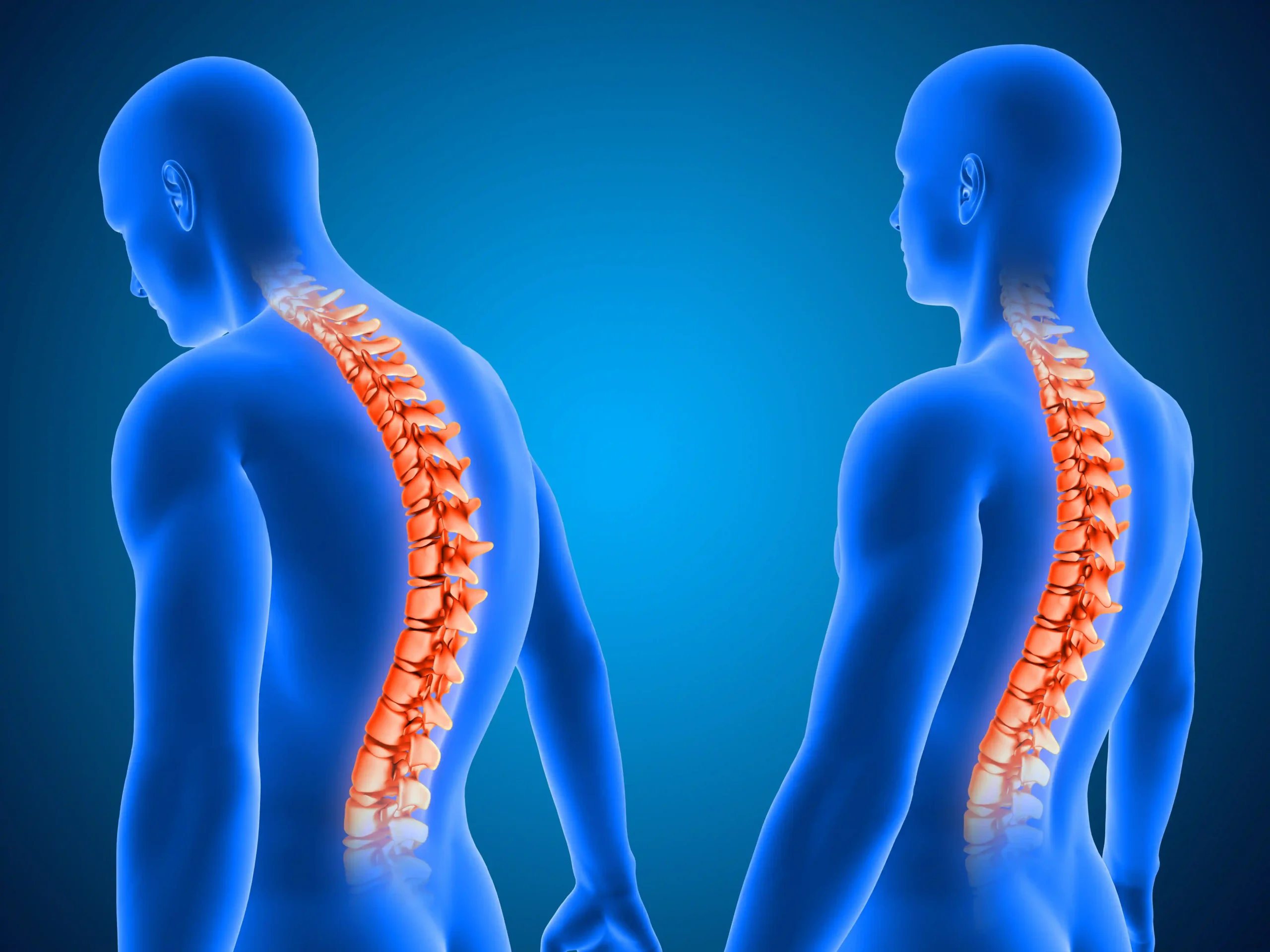
A herniated disc in the upper back (thoracic spine) can cause a range of symptoms depending on how much the disc is pressing on nearby nerves or spinal structures. Some people experience mild discomfort, while others develop more noticeable nerve-related pain. Thoracic disc problems can sometimes mimic other spinal conditions. Learn more about back and neck pain treatment and the common causes of pain affecting different regions of the spine.
1. Local (Mid-Back) Symptoms
These are the most common early signs:
- Pain in the middle of the back (between the shoulder blades)
- Stiffness or tightness in the upper back
- Pain that worsens with sitting, bending, or twisting
- Muscle tension around the spine
2. Radiating or Nerve-Related Symptoms
When a thoracic disc herniation irritates spinal nerves, symptoms may spread beyond the back:
- Pain that wraps around the ribs or chest (band-like pain)
- Tingling or “pins and needles” sensation in the chest or abdomen
- Numbness in the torso area
- Burning or shooting pain along the rib line
3. Muscle Weakness (In More Severe Cases)
If nerve compression becomes more significant, it may affect muscle function:
- Weakness in the core or trunk muscles
- Difficulty maintaining posture for long periods
- Reduced stability during movement
4. Rare but Serious Symptoms (Red Flags)
In uncommon cases where the spinal cord is affected, symptoms can be more serious:
- Problems with balance or walking
- Coordination difficulties
- Severe or worsening weakness in the legs
- Changes in bowel or bladder control
These symptoms require urgent medical evaluation.
How Is an Upper Back Herniated Disc Diagnosed?
Diagnosing a herniated disc in the upper back begins with a thorough clinical assessment. Because thoracic disc herniations are relatively uncommon and their symptoms can sometimes mimic heart, lung, or gastrointestinal conditions, obtaining an accurate diagnosis is essential before starting treatment.
Medical History
Your healthcare provider will begin by discussing your symptoms, including when the pain started, its location and severity, and any activities or injuries that may have contributed to it. They will also ask about your medical history, previous spinal problems, occupation, and lifestyle factors that could increase the risk of a herniated disc upper back.
Physical Examination
A physical examination helps assess posture, spinal alignment, and range of motion. Your clinician will identify areas of tenderness, stiffness, or muscle tightness and evaluate how certain movements affect your symptoms. This examination helps determine whether the pain is likely originating from the thoracic spine.
Neurological Examination
If nerve involvement is suspected, a neurological examination may be performed to assess how well the nerves are functioning. This may include checking sensation, coordination, balance, and identifying areas of numbness or tingling that could indicate nerve compression.
Reflex and Muscle Strength Testing
Testing your reflexes and muscle strength can help detect signs of nerve irritation or spinal cord involvement. Weakness in the trunk or lower limbs, changes in reflexes, or difficulty maintaining balance may indicate more significant nerve compression and require further investigation.
MRI Scan
An MRI (Magnetic Resonance Imaging) is considered the gold standard for diagnosing a thoracic disc herniation. It provides detailed images of the spinal discs, nerves, and spinal cord, allowing healthcare providers to confirm the presence, size, and location of a herniated or bulging disc upper back, as well as determine whether nearby nerves are being compressed.
CT Scan
A CT scan may be recommended if an MRI is not suitable or to provide additional detail about the bones of the spine. In some cases, it is used alongside other imaging tests to help evaluate complex spinal conditions.
X-Rays
Although X-rays cannot show herniated discs, they are useful for ruling out other causes of upper back pain, such as fractures, arthritis, spinal deformities, or degenerative changes that may contribute to symptoms.
Why an Accurate Diagnosis Matters
Many conditions can cause upper back pain, and not all require the same treatment. At Wave Chiropractic & Wellness, every patient undergoes a comprehensive assessment before care begins. If imaging or specialist evaluation is needed, appropriate referrals are made to ensure an accurate diagnosis and the safest, most effective treatment plan for your condition. Understanding the source of your symptoms is the first step toward effective treatment. Learn what a chiropractor does and how a comprehensive spinal assessment can help guide your recovery.
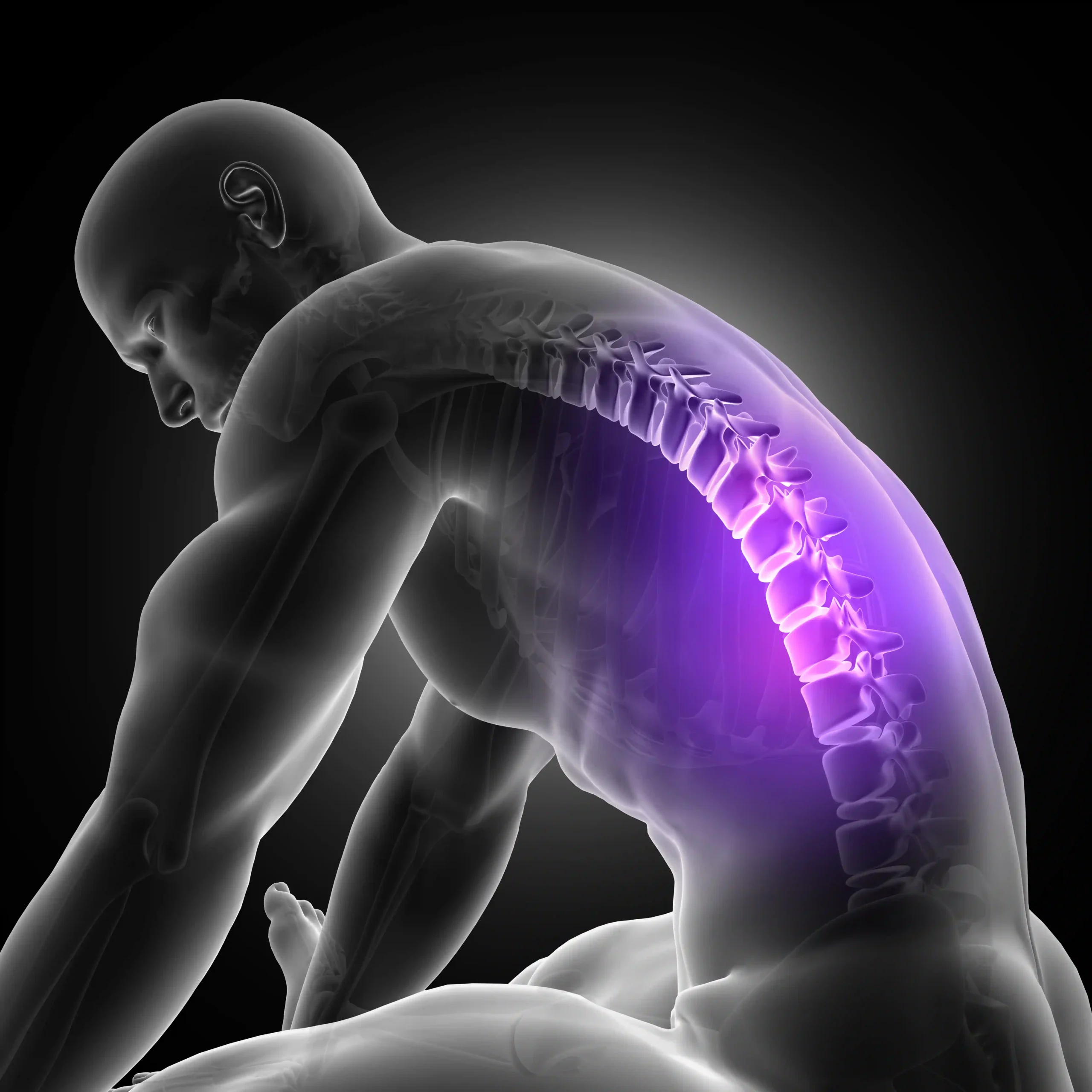
Treatment Options for a Herniated Disc Upper Back
Most people with a herniated disc in the upper back recover without surgery. Conservative treatments aim to relieve pain, reduce inflammation, improve mobility, and support the body’s natural healing process. The most appropriate treatment depends on the severity of symptoms, the extent of nerve involvement, and your overall health.
Rest and Activity Modification
During the early stages of a thoracic disc herniation, reducing activities that aggravate symptoms can help relieve pain and prevent further irritation. While short periods of rest may be beneficial, prolonged bed rest is generally not recommended, as gentle movement promotes circulation and supports recovery. Gradually returning to normal daily activities under professional guidance is often the best approach.
Physiotherapy
Physiotherapy is a key component of conservative treatment for a herniated disc upper back. A physiotherapist can develop a personalised rehabilitation program that focuses on improving movement while protecting the injured disc. Rehabilitation often includes exercises that improve spinal mobility and flexibility. One commonly recommended movement is the back arch stretch, which may help reduce stiffness and support recovery.
Treatment may include:
- Mobility exercises to improve spinal flexibility
- Gentle stretching to reduce muscle tightness
- Strengthening exercises to support the spine
- Postural training to reduce unnecessary stress on the thoracic spine
- Education on safe movement and lifting techniques
Chiropractic Care
For selected patients, chiropractic care may be included as part of a comprehensive conservative treatment plan. At Wave Chiropractic & Wellness, every patient undergoes a detailed assessment to determine whether chiropractic care is appropriate for their condition.
When suitable, treatment may include gentle chiropractic adjustments, soft tissue therapy, posture correction, and rehabilitation exercises designed to improve spinal mobility, reduce mechanical stress on the thoracic spine, and support overall function. If chiropractic care is not appropriate or further investigation is required, referrals for imaging or specialist care are recommended to ensure safe and effective management. Conservative chiropractic care may include gentle back manipulation techniques designed to improve joint mobility, reduce mechanical stress, and restore normal spinal movement.
Pain Relief
Managing pain can help patients stay active while the disc heals. Depending on the severity of symptoms, your healthcare provider may recommend one or more of the following:
- Applying ice during the first 24–48 hours to reduce inflammation
- Using heat therapy to relieve muscle tension and stiffness
- Over-the-counter pain relief or anti-inflammatory medications, as advised by your GP or pharmacist
- Temporary modification of activities that trigger pain
Exercise Rehabilitation
As symptoms improve, rehabilitation exercises become an essential part of recovery. A structured exercise program helps restore spinal function and reduces the likelihood of future episodes.
Exercises often focus on:
- Improving posture
- Strengthening the core and back muscles
- Increasing thoracic spine mobility
- Enhancing flexibility and stability
- Building strength for everyday activities
Following a personalised rehabilitation program and progressing exercises gradually can improve long-term spinal health and reduce the risk of recurring symptoms. Strengthening the muscles that support your spine is an important part of long-term recovery. Read our guide on back and neck pain treatment for additional rehabilitation strategies that help improve spinal stability.
When Is Surgery Needed?
Fortunately, most people with a herniated disc in the upper back do not require surgery. Conservative treatments such as physiotherapy, chiropractic care, activity modification, and rehabilitation exercises are often effective in reducing pain and improving function.
However, surgery may be considered when symptoms are severe, continue to worsen, or fail to improve after several weeks or months of appropriate conservative treatment.
Your healthcare provider may recommend surgical evaluation if you experience:
- Progressive muscle weakness
- Significant spinal cord compression confirmed by imaging
- Persistent pain that does not respond to conservative treatment
- Difficulty walking or maintaining balance
- Loss of bowel or bladder control, which requires immediate medical attention
The type of surgery depends on the location and severity of the disc herniation, but the primary goal is to relieve pressure on the spinal cord or affected nerves while preserving spinal stability. Your spinal specialist will discuss the potential benefits, risks, and expected recovery before recommending any procedure. Fortunately, surgery is only necessary in a small percentage of cases. Learn more about non-surgical herniated disc treatment and the conservative options that are effective for many patients.
Because thoracic disc herniations are relatively uncommon, surgery is typically reserved for carefully selected cases where the potential benefits outweigh the risks.
How Long Does Recovery Take?
Recovery from a herniated disc upper back varies depending on the severity of the injury, your overall health, and how closely you follow your treatment and rehabilitation plan. While many people begin noticing improvements within a few weeks, others may require several months to achieve a full recovery.
| Severity | Typical Recovery Time |
|---|---|
| Mild bulging disc | 2–6 weeks |
| Moderate disc herniation | 6–12 weeks |
| Severe cases or post-surgical recovery | 3–6 months or longer |
Recovery is influenced by several factors, including:
- The degree of nerve compression
- How early treatment begins
- Participation in rehabilitation exercises
- Maintaining good posture and spinal mechanics
- Overall fitness and general health
Although pain often improves before the disc has completely healed, continuing your rehabilitation program is important for restoring strength, flexibility, and spinal stability. Following professional advice and gradually returning to normal activities can help reduce the risk of recurrence and support long-term recovery. Recovery doesn’t end when the pain improves. Learn how often you should go to the chiropractor to understand how ongoing care may help maintain spinal health and reduce the risk of future disc problems.
FAQ
What is a bulging disc in the upper back?
A bulging disc occurs when the spinal disc extends outward but the outer layer remains intact, often causing mild pain or stiffness.
Can a herniated disc in the upper back heal naturally?
Yes, many cases improve with conservative treatment such as rest, physiotherapy, and posture correction.
Is chiropractic care safe for thoracic disc problems?
When performed by a trained professional, chiropractic care is generally considered safe and can help improve mobility and reduce pain.
How long does upper back disc pain last?
It varies from a few weeks to several months depending on severity and treatment consistency.
What is the difference between bulging and herniated disc?
A bulging disc is a contained protrusion, while a herniated disc involves a tear in the disc wall allowing inner material to leak out.
Conclusion
In conclusion, a herniated disc in the upper back (thoracic spine) may sound alarming at first, but in most cases it is a manageable condition with a highly positive outcome when diagnosed early and treated properly. Understanding the difference between a bulging disc and a herniated disc, as well as recognizing symptoms early, plays a crucial role in preventing complications and supporting faster recovery.
Maintaining good posture, strengthening the core and back muscles, and avoiding daily habits such as prolonged sitting or poor ergonomics are essential steps in protecting spinal health. Most importantly, persistent pain or neurological symptoms should never be ignored, and seeking professional evaluation ensures an accurate diagnosis and an effective treatment plan tailored to restore comfort, mobility, and long-term spinal stability. If you’re considering chiropractic care for a spinal disc problem, you may also wonder about a chiropractor’s qualifications. Learn whether chiropractors are medical doctors and how they help diagnose and manage musculoskeletal conditions.

Elemmentor Box
Dr. Hussein
Chiropractor & Director
Is an esteemed chiropractor renowned for his innovative approach to chronic pain management and the transformative power of chiropractic care on brain function
Recent Posts
Slipped Disc: Symptoms, Treatment and Recovery Time
Disc Problems: Causes, Symptoms, and Treatment Options
8 Famous People With Herniated Discs and Lower Back Disc Injuries
Categories