Degenerative Disc in Lower Back: Causes, Symptoms, and Complete Medical Guide
Degenerative disc in the lower back is one of the most common causes of chronic back pain worldwide. It is often referred to in medical terms as degeneration of lumbar disc, lumbar spine disc disease, or spinal disk degeneration. This condition affects the intervertebral discs located in the lower spine, which act as cushions between the vertebrae.
Over time, these discs naturally lose hydration, flexibility, and height, leading to pain, stiffness, and reduced mobility. While many people associate this condition with aging, it can also occur due to injury, lifestyle habits, or genetic factors.
In modern healthcare, terms like degenerative disc in lower back, degenerative lumbar disc, and lower back pain degenerative disc disease are frequently used to describe the same condition, although severity and symptoms may vary from person to person.
Understanding this condition is essential for early management and preventing long-term complications. Degenerative disc disease is one of several conditions that can contribute to chronic spinal discomfort. Learn more about back and neck pain treatment and the conservative approaches used to improve mobility and reduce pain.
What Is Degenerative Disc Disease?
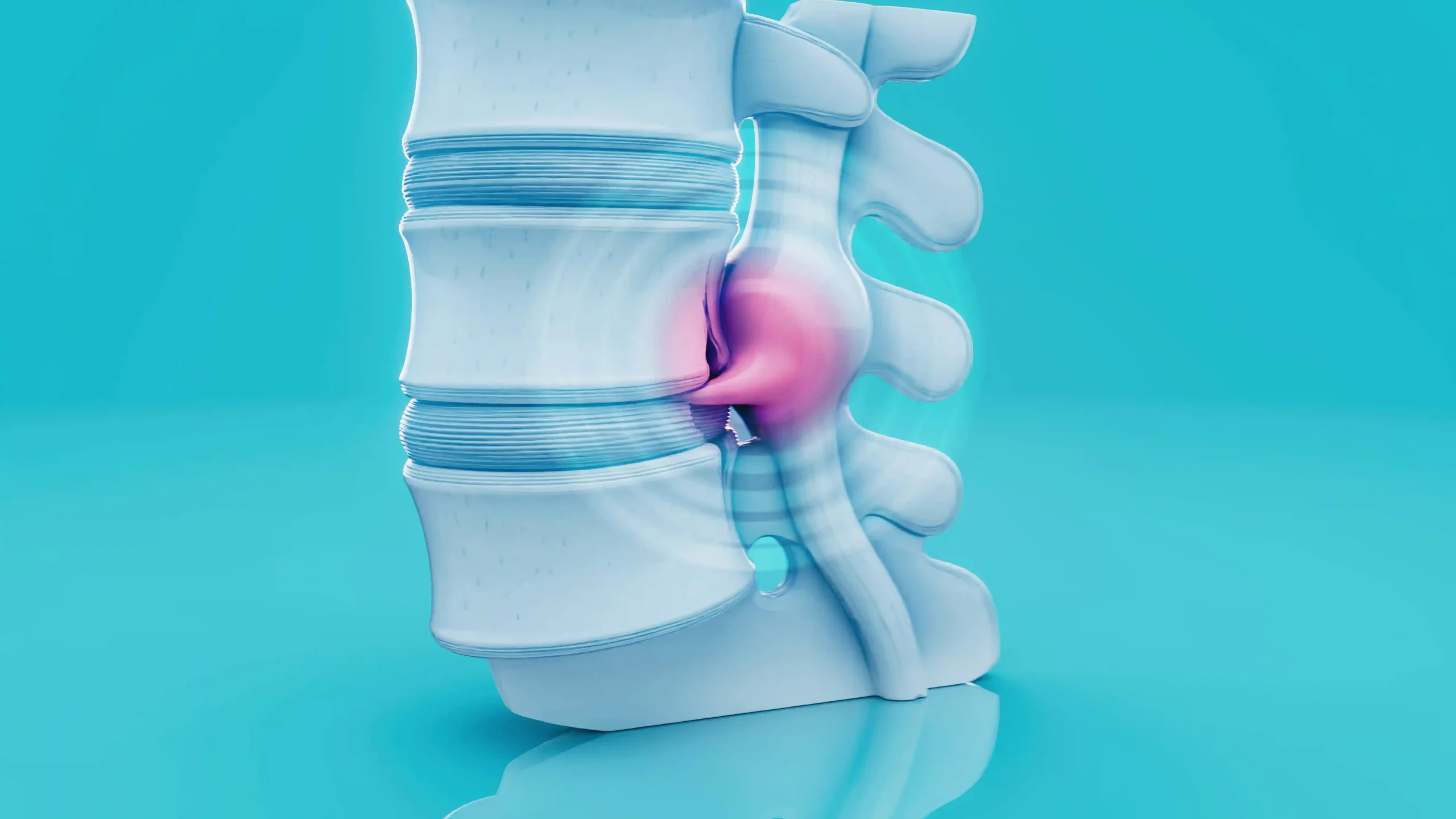
Degenerative disc disease (DDD) in the lower back refers to the gradual breakdown of the discs in the lumbar spine. These discs act as shock absorbers between the bones of the spine, allowing smooth movement and flexibility.
When degeneration occurs, the discs become thinner, weaker, and less effective at absorbing pressure. This leads to friction between vertebrae and can cause chronic pain.
Although it is called a “disease,” it is not actually a disease in the traditional sense. Instead, it is a condition related to wear and tear over time.
This is why many specialists prefer terms like:
- lumbar disk degeneration
- degeneration of spine disc
- vertebral disc disease
These terms all describe structural changes in the spine rather than an infection or systemic illness.
How the Lower Back Disc System Works
To understand degenerative disc in lower back, it is important to understand how spinal discs function.
The lumbar spine consists of five vertebrae (L1–L5). Between each vertebra is a disc made up of:
- A soft, gel-like center (nucleus pulposus)
- A tough outer layer (annulus fibrosus)
These discs:
- Absorb shock during movement
- Allow flexibility and bending
- Maintain spacing between vertebrae
- Protect spinal nerves
When disc degeneration begins, this structure weakens, leading to pain and instability.
Causes of Degenerative Disc in Lower Back
Degenerative disc in lower back develops when the intervertebral discs gradually lose their strength, flexibility, and ability to absorb shock. Although disc degeneration is often associated with aging, several factors can accelerate the process and increase the likelihood of developing lower back pain and mobility issues. Understanding these causes can help individuals take proactive steps to protect their spinal health and slow the progression of disc degeneration.
Aging
Aging is the most common cause of lumbar disc degeneration. As people grow older, spinal discs naturally lose water content and become less flexible. This reduction in hydration decreases the disc’s ability to absorb shock and withstand daily stress. Over time, the discs may become thinner, develop small tears, and lose their structural integrity, leading to progressive degeneration.
Repetitive Wear and Tear
The lower back is constantly subjected to mechanical stress from everyday activities such as walking, bending, lifting, and twisting. Years of repeated movement can gradually wear down the discs, especially in individuals whose jobs or lifestyles involve frequent physical activity. This ongoing stress contributes to the breakdown of disc tissue and accelerates the degenerative process.
Genetics
Genetic factors can play a significant role in determining how quickly spinal discs age and deteriorate. Some individuals inherit traits that make their discs more susceptible to degeneration at an earlier age. If there is a family history of degenerative disc disease or chronic back problems, the risk of developing lumbar disc degeneration may be higher.
Obesity and Excess Body Weight
Carrying excess body weight places additional pressure on the lumbar spine and its supporting structures. The increased load forces the discs to work harder to absorb shock and maintain stability. Over time, this extra stress can speed up disc deterioration and contribute to chronic lower back pain.
Poor Posture
Maintaining poor posture while sitting, standing, or performing daily activities can place uneven stress on spinal discs. Slouching, prolonged sitting, and improper body mechanics may gradually strain the lower back and contribute to disc degeneration. Over time, poor posture can alter spinal alignment and increase pressure on specific areas of the spine. Poor sitting habits can increase pressure on the lumbar discs over time. Discover the best sitting position for lower back pain to help protect your spine during daily activities.
Lack of Core Muscle Strength
The muscles of the abdomen, pelvis, and lower back help support and stabilize the spine. Weak core muscles force the discs and other spinal structures to absorb more mechanical stress during movement. Over time, inadequate muscular support may contribute to accelerated disc wear and increased risk of lower back problems.
Symptoms of Degenerative Lower Back Pain
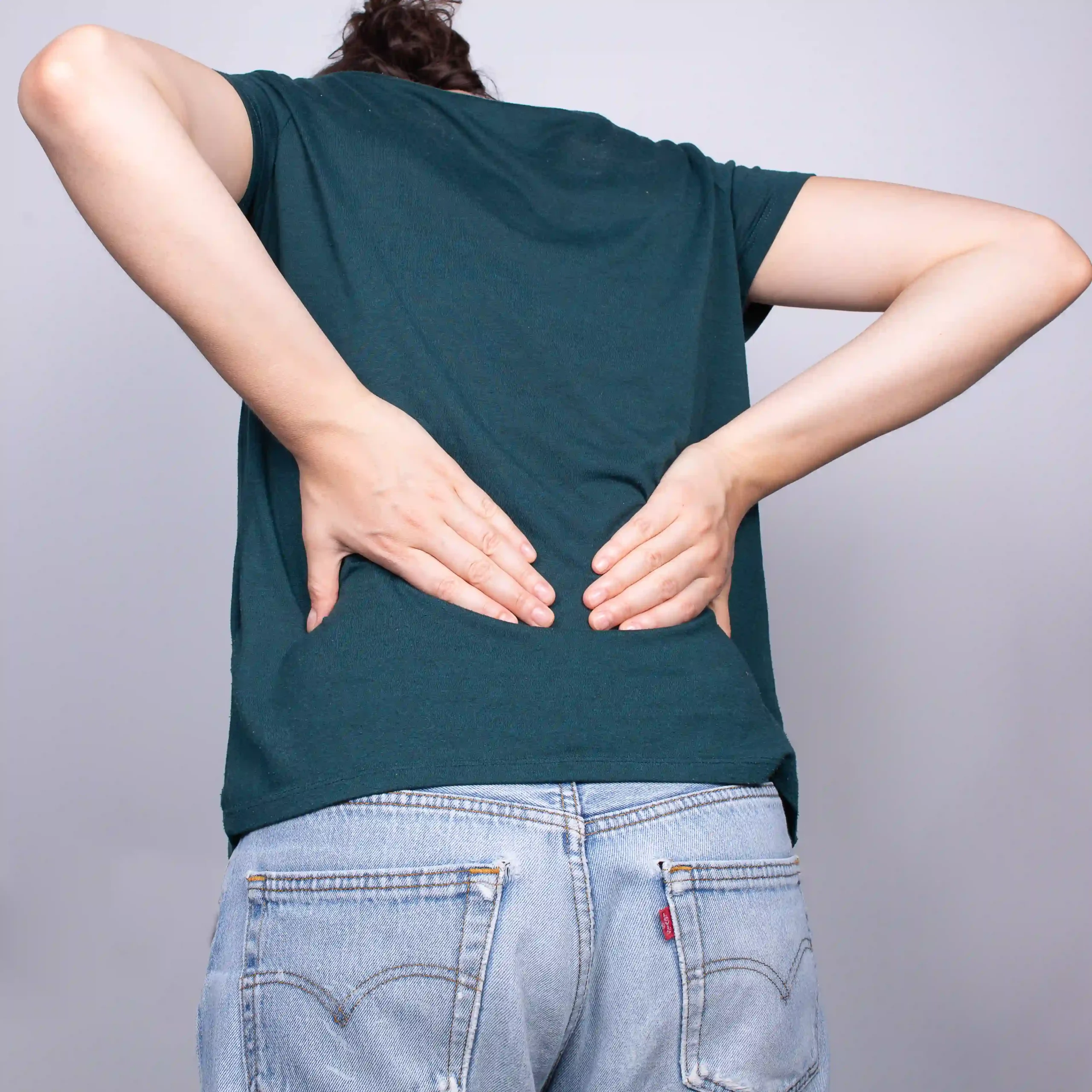
The symptoms of degenerative lower back pain vary depending on the severity of disc degeneration and whether nearby nerves are affected. Some people experience mild discomfort, while others develop chronic pain that interferes with daily activities. Common symptoms include:
Persistent Lower Back Pain
A dull, aching pain in the lower back is the most common symptom. The discomfort may be constant or come and go over time.
Pain That Worsens with Sitting
Sitting for long periods places extra pressure on the lumbar discs, often making pain more noticeable.
Stiffness and Reduced Flexibility
Many individuals experience lower back stiffness, especially in the morning or after prolonged inactivity, making movement more difficult.
Pain During Bending or Lifting
Activities such as bending, twisting, or lifting heavy objects can increase pressure on the affected discs and trigger pain.
Pain Radiating to the Buttocks or Legs
When disc degeneration irritates nearby nerves, pain may spread into the buttocks, hips, or legs. This is commonly known as sciatica.
Numbness or Tingling
Nerve compression may cause tingling, numbness, or a pins-and-needles sensation in the legs or feet.
Muscle Weakness
Advanced degeneration can affect nerve function, leading to weakness in the legs and difficulty with certain physical activities.
Difficulty Performing Daily Activities
Chronic pain, stiffness, and reduced mobility can make everyday tasks such as walking, exercising, or standing for long periods more challenging. Disc degeneration can sometimes irritate nearby muscles, leading to tightness and painful contractions. Learn about the common causes of lower back spasms and how they are managed.
Types of Degenerative Disc Conditions
Degenerative disc conditions in the lower back do not occur in a single form. Instead, they develop in stages and can vary in severity depending on how much damage has occurred to the spinal discs. Understanding the different types helps explain how degenerative disc in lower back, lumbar disc degeneration, and degenerative lumbar spine disease progress over time.
Mild Disc Degeneration
Mild disc degeneration is the earliest stage of disc wear and tear. At this point, the discs may begin to lose small amounts of water content, making them slightly less flexible. Most people at this stage experience little to no pain, or only occasional mild discomfort. Structural changes are minimal, and the condition is often detected incidentally during imaging for other issues.
Moderate Disc Degeneration
In moderate degeneration, the disc begins to show more noticeable structural changes. The disc height may start to decrease, and small tears may develop in the outer layer (annulus fibrosus). At this stage, individuals may begin to experience more frequent lower back pain, stiffness, and reduced flexibility, especially after sitting or physical activity. This stage is often associated with early low back disc degeneration symptoms.
Advanced Disc Degeneration
Advanced degeneration occurs when the disc has significantly lost height, hydration, and structural integrity. This can lead to increased pressure on surrounding joints and nerves. Pain becomes more persistent and may radiate to the buttocks or legs. This stage is commonly linked with lower back pain degenerative disc disease and more severe functional limitations.
Degenerative Lumbar Disc Disease
This term refers to a broader condition where multiple discs in the lumbar spine are affected. It often involves chronic wear and tear across several levels of the lower back. Symptoms may include persistent pain, stiffness, nerve irritation, and reduced mobility. It is one of the most common forms of lumbar spine disc disease.
Lumbar Disc Herniation with Degeneration
In some cases, degenerative changes weaken the outer disc layer, allowing the inner material to bulge or herniate. This can compress nearby spinal nerves and cause sharp, radiating pain known as sciatica. This condition often develops alongside existing disc degeneration and may significantly increase symptom severity. As discs weaken, they may eventually bulge or herniate. Read our guide on herniated disc treatment to understand conservative care options for disc-related pain.
Multilevel Disc Degeneration
Multilevel degeneration occurs when more than one disc in the lower spine is affected. This condition can lead to widespread lower back pain, reduced spinal stability, and more complex symptoms. It is commonly seen in older adults or individuals with long-term spinal stress.
Treatment Options for Lumbar Disc Degeneration
Treatment for lumbar disc degeneration focuses on relieving pain, improving mobility, and slowing the progression of disc wear in conditions such as degenerative disc in lower back, lumbar spine disc disease, and lower back pain degenerative disc disease. In most cases, treatment begins with simple, non-invasive methods before moving to more advanced medical interventions if needed.
Non-Surgical Treatment Options
Non-surgical care is the first line of treatment and is effective for most patients.
Physical Therapy
Physical therapy strengthens the muscles that support the spine, especially the core and lower back muscles. It improves flexibility, reduces pressure on the discs, and helps restore normal movement patterns, leading to long-term pain reduction.
Medications
Pain relievers and anti-inflammatory drugs may be used to control discomfort during flare-ups. These medications help reduce inflammation and allow patients to stay active, but they do not reverse disc degeneration.
Rest and Activity Modification
Short periods of rest during severe pain episodes can help, but prolonged inactivity should be avoided. Patients are encouraged to modify activities that worsen symptoms, such as heavy lifting or long sitting periods.
Lifestyle Management
Lifestyle changes are essential for long-term control of symptoms.
Regular Exercise
Low-impact activities such as walking, swimming, and stretching help maintain spinal flexibility and improve blood circulation to the discs, which is important in managing low back disc degeneration.
Weight Control
Maintaining a healthy body weight reduces pressure on the lumbar spine and helps prevent further disc stress.
Posture Improvement
Proper sitting, standing, and sleeping posture helps reduce strain on the lower back and prevents worsening symptoms.
Manual and Complementary Therapies
These therapies may be used as supportive care alongside medical treatment.
Massage and Physical Therapy Techniques
Massage can help reduce muscle tension and improve comfort around the affected area.
Chiropractic Care
Spinal adjustments may improve mobility and reduce stiffness in some patients. Chiropractic care may include gentle back manipulation techniques to improve spinal mobility, reduce joint stiffness, and support healthy movement when clinically appropriate.
Osteopathic Treatment
Osteopathy focuses on improving overall body alignment and reducing tension in muscles and joints, which may help relieve symptoms associated with disc degeneration.
Interventional Procedures
If pain persists despite conservative treatment, more targeted procedures may be considered.
Epidural Steroid Injections
These injections reduce inflammation around irritated nerves and provide temporary pain relief.
Nerve Block Injections
Used in cases of severe nerve pain to temporarily interrupt pain signals.
Surgical Treatment (Rare Cases)
Surgery is considered only when all other treatments fail or when there is severe nerve compression. Surgical options may include spinal fusion or disc replacement, depending on the severity and location of the degeneration.
Best Exercises for Degenerative Disc in Lower Back
Exercise plays a crucial role in managing degenerative disc in lower back, improving mobility, and reducing pain caused by conditions such as lumbar disk degeneration and lower back pain degenerative disc disease. The right type of exercise helps strengthen the muscles that support the spine, improve flexibility, and reduce pressure on damaged discs. However, exercises should always be low-impact and performed carefully to avoid worsening symptoms. Gentle stretching exercises can improve spinal flexibility and reduce stiffness. The back arch stretch is one example that may complement a rehabilitation program.
Walking
Walking is one of the safest and most effective exercises for individuals with lumbar disc degeneration. It helps improve blood circulation, maintain mobility, and gently activate the muscles that support the spine. Regular walking also reduces stiffness and helps prevent the worsening of low back disc degeneration.
Swimming and Water Exercises
Swimming is highly recommended because water reduces pressure on the spine while allowing full-body movement. The buoyancy of water supports body weight, making it easier to exercise without stressing the lumbar discs. Swimming improves flexibility, strengthens muscles, and reduces pain in the degenerative lumbar spine disease.
Pelvic Tilts
Pelvic tilt exercises help strengthen the abdominal muscles and stabilize the lower back.
They work by gently flattening and releasing the lower spine against the floor, improving core strength and reducing pressure on spinal discs. This exercise is especially helpful in early stages of disc degeneration.
Knee-to-Chest Stretch
This stretch helps relieve tension in the lower back and improves flexibility. By gently pulling one knee toward the chest, the lower spine is stretched and relaxed. It can reduce stiffness and improve comfort in individuals with degeneration of lumbar disc.
Cat-Cow Stretch
The cat-cow exercise improves spinal mobility and reduces stiffness by gently moving the spine between flexion and extension. It helps increase flexibility and encourages healthy movement patterns in the lower back.
Bird-Dog Exercise
The bird-dog exercise strengthens the core, back, and hip muscles, which are essential for spinal stability. It involves extending one arm and the opposite leg while maintaining balance. This exercise helps reduce stress on the lumbar discs and supports long-term spine health.
Exercises to Avoid
Certain exercises may worsen symptoms and should be avoided, including:
- Heavy weightlifting without supervision
- Deep forward bending
- High-impact activities like jumping or running on hard surfaces
- Sudden twisting movements
- Poorly controlled abdominal exercises
These movements may increase pressure on already weakened discs and aggravate spinal disk degeneration.

Daily Habits That Help Reduce Lower Back Pain
Managing degenerative disc in lower back is not only about medical treatment or exercise—it also depends heavily on daily habits. Simple lifestyle adjustments can significantly reduce pain, improve mobility, and slow the progression of conditions such as lumbar disk degeneration and lower back pain degenerative disc disease.
Maintain Good Sitting Posture
Proper sitting posture reduces unnecessary pressure on the lumbar spine. Sitting with a straight back, supported lower back, and feet flat on the floor helps maintain spinal alignment. Poor posture, especially slouching for long periods, increases stress on spinal discs and can worsen pain over time. Proper ergonomics play an important role in reducing stress on the lumbar spine. Learn how the right sitting position can support long-term spinal health.
Avoid Prolonged Sitting or Standing
Staying in one position for too long can increase stiffness and discomfort in the lower back. It is important to change positions regularly, take short breaks, and move around every 30–60 minutes. This helps reduce pressure on the discs and supports healthy circulation in the spine.
Use Ergonomic Support
Using ergonomic chairs, proper desk height, and supportive cushions can greatly reduce strain on the lower back. Proper workspace setup ensures that the spine remains in a neutral position, which helps prevent worsening of low back disc degeneration symptoms.
Sleep in a Spine-Friendly Position
Sleep position plays an important role in spinal health. Sleeping on the back with a pillow under the knees or on the side with a pillow between the knees helps maintain proper spinal alignment. Poor sleeping positions can increase morning stiffness and pain.
Maintain a Healthy Weight
Excess body weight increases pressure on the lumbar spine and accelerates disc wear. Maintaining a healthy weight through balanced nutrition and regular activity reduces stress on the lower back and helps slow the progression of degenerative lumbar spine disease.
Stay Physically Active
Regular low-impact movement such as walking, stretching, or swimming helps keep the spine flexible and supports disc nutrition. Physical inactivity can weaken muscles and worsen stiffness, increasing pain over time.
Lift Objects Correctly
Improper lifting techniques are a major cause of back strain. Always bend the knees, keep objects close to the body, and avoid twisting while lifting. This reduces stress on the lumbar discs and prevents injury.
Avoid Smoking
Smoking reduces blood flow and oxygen supply to spinal discs, which can speed up degeneration. Avoiding smoking helps maintain better disc health and slows the progression of spinal disk degeneration.
Manage Stress Levels
Stress can increase muscle tension in the lower back, making pain feel worse. Relaxation techniques such as deep breathing, meditation, or light stretching can help reduce muscle tightness and improve overall comfort.
Can Degenerative Disc Disease Heal Naturally?
One of the most common questions patients ask is whether lumbar disk degeneration can heal on its own. While disc degeneration cannot usually be reversed, many people successfully manage symptoms through conservative care. Learn more about lower back pain treatment options that focus on improving function and relieving pain.
The answer is complex.
The structural changes within the disc generally cannot be fully reversed. Once a disc loses hydration and height, it typically does not return to its original state.
However, many people experience significant improvement because:
- Inflammation decreases
- Supporting muscles become stronger
- The body adapts to structural changes
- Pain becomes more manageable
With proper treatment, many patients lead active and productive lives despite having degenerative lumbar spine disease.
FAQs
What is degenerative disc disease in the lower back?
It is a condition where the discs in the lumbar spine gradually wear down, lose flexibility, and become less effective at absorbing shock.
Is degenerative disc disease a normal part of aging?
Age-related disc changes are common, but not everyone develops symptoms. Some individuals experience significant pain while others remain symptom-free.
Can exercise make disc degeneration worse?
Appropriate exercises generally help improve symptoms. However, high-impact or poorly performed exercises may aggravate the condition.
Is surgery always necessary?
No. Most patients improve with conservative treatments such as physical therapy, exercise, and lifestyle changes.
What is the best pain relief for degenerative disc disease?
The most effective long-term approach typically combines physical therapy, exercise, posture improvement, weight management, and appropriate medical treatment when necessary. If you’re considering conservative care, discover what a chiropractor does and how chiropractic care may help improve spinal mobility and support long-term back health.
Conclusion
Degenerative disc in lower back is a common condition that affects millions of people worldwide. Whether referred to as degeneration of lumbar disc, lumbar disk degeneration, spinal disk degeneration, or degenerative lumbar spine disease, the condition involves gradual changes in the spinal discs that can lead to pain, stiffness, and reduced mobility.
Although disc degeneration cannot always be reversed, modern treatment options offer excellent opportunities for symptom relief and improved quality of life. Through a combination of physical therapy, targeted exercise, lifestyle modifications, and appropriate medical care, many individuals successfully manage lower back pain degenerative disc disease and maintain an active lifestyle for years to come.
The key to successful management is early intervention, consistent self-care, and working closely with qualified healthcare professionals to develop a treatment plan tailored to your needs.

Elemmentor Box
Dr. Hussein
Chiropractor & Director
Is an esteemed chiropractor renowned for his innovative approach to chronic pain management and the transformative power of chiropractic care on brain function
Recent Posts
Disc Problems: Causes, Symptoms, and Treatment Options
8 Famous People With Herniated Discs and Lower Back Disc Injuries
How to Sleep With Sciatica: Best Sleeping Positions and Pain Relief Tips
Categories