
What Is Stress Neck Pain? Causes, 7 Key Symptoms & Relief
Stress is a normal part of everyday life, but when it becomes chronic, it can affect much more than your mental well-being. One of the most common physical symptoms of prolonged stress is stress neck pain, which develops as muscles in the neck and shoulders remain tense for extended periods. Over time, this constant muscle tension can lead to stiffness, discomfort, reduced range of motion, and even recurring tension headaches. Many people don’t realize that emotional stress and anxiety neck pain are closely connected, making it difficult to identify the true source of their symptoms.
Understanding how stress affects the body is the first step toward finding lasting relief. In this guide, we’ll explore the common causes and symptoms of stress-related neck pain, the role of muscle tension and cortisol, how healthcare professionals diagnose the condition, and the most effective treatment options available. You’ll also discover practical stress management strategies, exercises to relieve neck tension, and when professional chiropractic care may help restore comfort, mobility, and long-term spinal health. Stress-related muscle tension is one of the many conditions covered in our complete guide to neck pain, where you’ll learn about its symptoms, causes, and treatment options.
How Stress Causes Neck Pain
Stress-related neck pain develops through several interconnected physiological processes. The body’s response to stress is designed to protect us from immediate danger, but when stress becomes chronic, these protective mechanisms begin to affect muscles, joints, and nerves in ways that contribute to persistent pain. Stress-related muscle tension is just one form of cervical discomfort. Understanding the different types of neck pain can help identify the underlying cause and guide appropriate treatment.
Muscle Tension and Protective Muscle Tightening
The most common reason stress causes neck pain is prolonged muscle tension. Whenever the brain perceives a stressful situation, it automatically signals the muscles to contract in preparation for action. This reaction is helpful during short-term emergencies because it allows the body to respond quickly.
However, modern stressors rarely involve immediate physical danger. Instead, deadlines, financial worries, work pressure, and emotional challenges may keep the stress response activated for hours or even days. As a result, the muscles in the neck and shoulders remain partially contracted for prolonged periods. Stress is only one of many factors that can lead to neck discomfort. Learn more about the most common causes of neck pain, including poor posture, injuries, arthritis, and degenerative spinal conditions.
These continuously tightened muscles receive less oxygen-rich blood, accumulate metabolic waste products, and gradually become painful. Over time, persistent muscle contraction may also lead to trigger points—small, sensitive knots within the muscle that cause localized pain or discomfort that radiates into the head and shoulders.
Because the neck supports the weight of the head throughout the day, it is especially vulnerable to chronic muscle tension. This is why many people notice worsening stiffness after stressful workdays or emotionally demanding situations.
The Role of Cortisol
Cortisol is commonly referred to as the body’s primary stress hormone. It is released by the adrenal glands whenever the brain detects physical or emotional stress. In normal amounts, cortisol plays an important role in regulating metabolism, controlling inflammation, maintaining blood pressure, and helping the body respond to challenges.
Problems develop when stress becomes chronic and cortisol levels remain elevated for extended periods. Persistently high cortisol can increase inflammation, alter pain perception, delay tissue recovery, and contribute to muscle fatigue.
Research also suggests that chronic stress may make the nervous system more sensitive to pain. This means that relatively minor muscle tightness may feel much more painful than it otherwise would because the body’s pain-processing systems become increasingly reactive.
As cortisol continues to circulate, muscle recovery slows, tension becomes more persistent, and neck pain may gradually transition from an occasional problem into a chronic condition.
The Fight-or-Flight Response
Stress activates the sympathetic nervous system, commonly known as the fight-or-flight response. This automatic survival mechanism prepares the body to respond to perceived danger by increasing heart rate, raising blood pressure, sharpening focus, and tightening muscles throughout the body.
During this response, the muscles surrounding the neck and shoulders often contract first because they help stabilize the head and prepare the body for rapid movement. While this reaction is appropriate during genuine emergencies, remaining in a constant state of heightened alertness places unnecessary strain on the cervical spine.
People experiencing chronic anxiety or ongoing stress may remain in this activated state for prolonged periods. Their muscles rarely have an opportunity to fully relax, leading to persistent stiffness, soreness, reduced flexibility, and frequent tension headaches.
Learning techniques that calm the nervous system—such as deep breathing, meditation, and relaxation exercises—can help interrupt this cycle and reduce muscle guarding.
Reduced Blood Flow to Neck Muscles
When muscles remain contracted for long periods, blood vessels become compressed, reducing circulation to the affected tissues. This decrease in blood flow limits the delivery of oxygen and nutrients while slowing the removal of metabolic waste products.
As circulation declines, muscles fatigue more quickly and become increasingly sensitive to pain. Reduced blood flow also contributes to the formation of trigger points, which are common in individuals experiencing chronic stress neck pain.
Poor circulation may explain why many people describe stress-related neck pain as a dull ache that gradually worsens throughout the day rather than appearing suddenly. Improving blood flow through stretching, movement, massage, and heat therapy often provides significant relief by helping muscles relax and recover.

Anxiety Neck Pain: Can Anxiety Really Cause Neck Pain?
Many people are surprised to learn that anxiety alone can contribute to persistent neck pain. Although anxiety is primarily considered a mental health condition, it produces numerous physical changes throughout the body that directly affect muscles, joints, and the nervous system.
When anxiety becomes chronic, the body remains in a heightened state of alertness. Even without physical activity, muscles stay tense, breathing patterns change, and pain sensitivity increases. These physiological changes make anxiety neck pain one of the most common physical symptoms experienced by individuals living with chronic stress or anxiety disorders.
The Link Between Anxiety and Muscle Tightness
One of the strongest connections between anxiety and neck pain is persistent muscle tension. When anxiety levels rise, the brain activates the body’s stress response, causing muscles to tighten automatically. This protective reaction is meant to prepare the body for immediate action, but when anxiety becomes chronic, the muscles may never fully relax.
The neck, shoulders, and upper back are especially vulnerable because they continuously support the weight of the head. As these muscles remain contracted throughout the day, they become fatigued, less flexible, and increasingly painful. Many people with anxiety notice that their neck feels tight even when they are resting, particularly after emotionally stressful situations or long periods of concentration.
Hypervigilance and Increased Pain Sensitivity
Anxiety doesn’t only increase muscle tension—it also changes the way the brain processes pain. People experiencing chronic anxiety often become more aware of normal bodily sensations, a phenomenon known as hypervigilance. Minor muscle tightness that might otherwise go unnoticed can begin to feel significantly more painful.
In addition, chronic stress may sensitize the nervous system, making pain signals stronger and longer-lasting. This heightened pain sensitivity can create a cycle in which anxiety increases neck pain, and the ongoing pain further increases anxiety.
Anxiety-Related Posture Changes
People experiencing stress or anxiety often adopt unconscious postural habits that place additional strain on the cervical spine. Common examples include raising the shoulders, tightening the jaw, leaning the head forward, or hunching over while working or using electronic devices.
Over time, these postural changes increase pressure on the neck muscles and joints, contributing to stiffness, fatigue, and chronic discomfort. Correcting posture is therefore an important part of treating anxiety-related neck pain.
Why Neck Pain Can Increase Anxiety
The relationship between anxiety and neck pain works in both directions. Persistent neck pain can interfere with sleep, reduce productivity, limit daily activities, and create ongoing concern about one’s health. As a result, individuals may become increasingly anxious, creating a cycle in which stress causes pain and pain generates even more stress.
Breaking this cycle often requires addressing both the physical symptoms and the emotional factors contributing to muscle tension. If your stiffness becomes persistent or makes it difficult to turn your head normally, learn more about the causes and treatment options for neck stiffness.
Common Symptoms of Stress Neck Pain
Stress-related neck pain can affect muscles, joints, and surrounding soft tissues throughout the upper body. Symptoms often develop gradually and tend to worsen during periods of emotional stress, long working hours, or inadequate rest.
Neck Stiffness
Neck stiffness is usually the first symptom people notice. The muscles become tight and less flexible, making it difficult to turn the head comfortably. Many individuals feel especially stiff in the morning or after spending long hours at a desk.
Shoulder Tightness
The trapezius muscles that connect the neck to the shoulders frequently become tense during stressful situations. This tension often produces a heavy, aching sensation across the shoulders that may persist throughout the day. Because the neck and shoulder muscles function together, stress often affects both areas simultaneously. Read more about the causes and treatment of neck and shoulder pain.
Pain at the Base of the Skull
Stress commonly affects the muscles attached to the base of the skull. Tightness in these muscles can produce aching pain where the neck meets the head and may spread toward the temples or behind the eyes.
Tension Headaches
One of the most common complications of chronic muscle tension is the tension headache. These headaches typically develop when tight muscles in the neck, shoulders, and scalp pull on surrounding tissues.
Unlike migraines, tension headaches usually produce a dull, steady pressure rather than throbbing pain. They often affect both sides of the head and may worsen during stressful periods.
Jaw Tightness and Teeth Clenching
Stress frequently causes people to clench their jaw or grind their teeth, especially during sleep. This places additional strain on the muscles connecting the jaw, neck, and shoulders, often making neck pain even worse.
Reduced Neck Mobility
As muscles remain tense, the normal movement of the cervical spine becomes restricted. Looking over the shoulder, tilting the head, or turning the neck may feel uncomfortable or limited. Some people notice that stress-related discomfort affects only one side of the neck. Learn more about one-sided neck pain and the conditions that may cause it.
Upper Back Pain
The muscles of the neck and upper back work together to support posture. When the neck muscles become overworked, the upper back often compensates, leading to aching or burning discomfort between the shoulder blades.
Risk Factors That Increase Stress-Related Neck Pain
Although anyone can develop stress neck pain, several factors increase the likelihood of experiencing persistent symptoms.
High-Stress Jobs
Demanding careers with heavy workloads, frequent deadlines, or high levels of responsibility often expose individuals to prolonged psychological stress. Healthcare professionals, teachers, office workers, customer service representatives, and executives commonly experience stress-related muscle tension.
Long Working Hours
Extended workdays reduce opportunities for movement and recovery. Spending many consecutive hours sitting at a desk while under pressure increases both physical strain and emotional stress, making neck pain more likely.
Poor Sitting Posture
Forward head posture, rounded shoulders, and slouching significantly increase the workload placed on the cervical spine. Poor posture combined with stress creates a powerful combination that accelerates muscle fatigue.
Lack of Physical Activity
Regular exercise helps muscles remain strong, flexible, and resilient to stress. People with sedentary lifestyles often experience weaker postural muscles, making them more susceptible to chronic neck tension.
Poor Sleep Quality
Sleep allows muscles to recover from daily stress. Inadequate or interrupted sleep limits this recovery process, causing muscle tension to accumulate over time. Stress itself can also interfere with sleep, creating another self-perpetuating cycle.
Existing Neck Problems
Individuals with previous neck injuries, cervical arthritis, herniated discs, or chronic posture problems often experience greater discomfort during stressful periods because already-sensitive tissues become more reactive.
How Stress Neck Pain Is Diagnosed
Diagnosing stress-related neck pain begins with determining whether muscle tension is the primary cause or if an underlying spinal condition is contributing to the symptoms. Because stress neck pain can resemble other cervical disorders, a comprehensive evaluation helps ensure an accurate diagnosis and an effective treatment plan.
Medical History
The first step is reviewing your medical history and discussing your symptoms in detail. Your healthcare provider will ask when the pain began, how long it has been present, what activities make it worse or better, and whether it is associated with stressful situations. They may also ask about your work environment, sleep quality, exercise habits, anxiety levels, and any previous neck injuries or spinal conditions.
Understanding these factors helps identify patterns that suggest stress-related muscle tension rather than structural damage.
Physical Examination
A physical examination evaluates the movement and function of your cervical spine. During the assessment, your provider may examine:
- Neck range of motion.
- Muscle tightness and tenderness.
- Trigger points in the neck and shoulders.
- Posture and spinal alignment.
- Muscle strength.
- Reflexes and sensation if nerve involvement is suspected.
Stress neck pain often presents with tight muscles and reduced flexibility without significant neurological abnormalities.
Identifying Stress Triggers
Because emotional stress plays a central role in this condition, identifying personal stressors is an important part of the evaluation. Work-related pressure, financial concerns, family responsibilities, poor sleep, and anxiety disorders may all contribute to chronic muscle tension.
Recognizing these triggers allows treatment to address both the physical symptoms and the underlying emotional factors that maintain muscle tightness.
When Imaging Tests Are Needed
Most people with uncomplicated stress neck pain do not require imaging studies. However, X-rays, MRI scans, or CT scans may be recommended if symptoms suggest another condition, such as a herniated disc, cervical arthritis, spinal instability, or nerve compression.
Imaging is also appropriate when pain follows trauma, persists despite conservative treatment, or is accompanied by numbness, weakness, balance problems, or other neurological symptoms.
Effective Treatments for Stress Neck Pain
Successful treatment focuses on relieving muscle tension while reducing the body’s chronic stress response. Combining physical treatment with healthy stress-management strategies often provides the most effective long-term results.
Stress Management Techniques
Managing stress is one of the most important aspects of treating stress-related neck pain. Since emotional stress continuously activates muscle tension, learning to calm the nervous system can significantly reduce symptoms.
Helpful techniques include:
- Deep diaphragmatic breathing.
- Mindfulness meditation.
- Progressive muscle relaxation.
- Guided relaxation exercises.
- Yoga or Tai Chi.
- Journaling and stress reduction techniques.
- Time management and work-life balance strategies.
Even practicing these techniques for 10 to 15 minutes daily can help reduce muscle tension and improve overall well-being.
Physical Therapy
Physical therapy addresses both the symptoms and the mechanical factors contributing to neck pain. A personalized rehabilitation program may include stretching exercises to improve flexibility, strengthening exercises for the deep neck muscles, posture correction, and manual therapy.
Physical therapists also teach proper body mechanics and ergonomic strategies that reduce strain during work and daily activities.
Heat Therapy
Heat therapy is especially beneficial for stress-related muscle tension because it promotes relaxation and increases blood circulation. Applying a heating pad or warm compress for 15 to 20 minutes helps relax tight muscles, decrease stiffness, and improve mobility.
Many people find heat therapy particularly helpful before stretching exercises or at the end of a stressful day.
Massage Therapy
Massage therapy can effectively reduce muscle tightness by improving circulation, releasing trigger points, and decreasing muscle guarding. Gentle massage of the neck, shoulders, and upper back often provides immediate relief while supporting long-term recovery when combined with exercise and posture correction.
Medications
For short-term symptom relief, healthcare providers may recommend over-the-counter pain medications such as acetaminophen or nonsteroidal anti-inflammatory drugs (NSAIDs). In cases involving severe muscle spasms, short-term muscle relaxants may also be prescribed.
Medication should be viewed as a temporary aid rather than the primary treatment because it does not address the underlying causes of chronic muscle tension.
Chiropractic Care
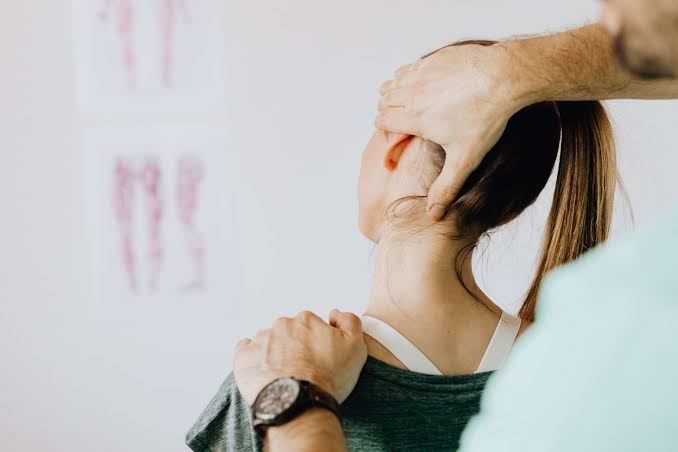
Chiropractic care offers a comprehensive approach to treating stress neck pain by restoring healthy movement while reducing muscle tension and improving posture. After a detailed evaluation, chiropractors may use gentle spinal adjustments to improve joint mobility, decrease stiffness, and restore normal cervical spine function.
Treatment often includes:
- Chiropractic spinal adjustments.
- Soft tissue therapy.
- Trigger point therapy.
- Stretching and strengthening exercises.
- Postural correction.
- Ergonomic education.
- Lifestyle recommendations that support stress reduction.
By addressing both spinal function and muscle tension, chiropractic care helps many patients experience lasting relief.
Lifestyle Changes That Help Prevent Stress Neck Pain
Making positive lifestyle changes is one of the most effective ways to reduce stress-related neck pain and prevent future flare-ups. While professional treatment can relieve symptoms, long-term improvement often depends on daily habits that support both physical and mental well-being.
Improve Sleep Quality
Quality sleep allows the muscles and nervous system to recover from the physical effects of stress. Poor sleep increases muscle tension, elevates cortisol levels, and lowers the body’s ability to repair itself, making neck pain more persistent.
To improve sleep quality:
- Maintain a consistent sleep schedule.
- Use a supportive pillow that keeps your neck in a neutral position.
- Avoid using electronic devices before bedtime.
- Limit caffeine and heavy meals in the evening.
- Create a quiet, dark, and comfortable sleep environment.
Better sleep not only reduces muscle tension but also improves stress resilience.
Exercise Regularly
Regular physical activity is one of the most effective natural stress relievers. Exercise stimulates the release of endorphins, improves circulation, reduces cortisol levels, and strengthens the muscles supporting the neck and shoulders.
Activities such as walking, swimming, cycling, yoga, and strength training can all help reduce stress-related muscle tension. Aim for at least 150 minutes of moderate exercise per week, as recommended by major health organizations.
Take Frequent Movement Breaks
Remaining in one position for extended periods allows muscle tension to build throughout the neck and shoulders. Whether you work at a desk or spend long hours driving, standing up and moving regularly helps improve circulation and reduce stiffness.
A simple routine includes:
- Standing every 30–60 minutes.
- Stretching your neck and shoulders.
- Walking for a few minutes.
- Rolling your shoulders.
- Performing gentle neck mobility exercises.
These small breaks can significantly reduce muscle fatigue over the course of the day.
Maintain Good Posture
Good posture minimizes unnecessary strain on the cervical spine and helps prevent stress-related muscle overload. Keep your ears aligned over your shoulders, relax your shoulders, avoid slouching, and position your computer monitor at eye level. Proper posture becomes even more important during periods of emotional stress because people naturally tend to hunch forward when feeling anxious.
Practice Daily Stress Management
Since emotional stress is the primary trigger for stress neck pain, developing healthy coping strategies is essential.
Effective stress-management habits include:
- Daily mindfulness meditation.
- Deep breathing exercises.
- Progressive muscle relaxation.
- Spending time outdoors.
- Listening to calming music.
- Practicing yoga.
- Talking with supportive friends or family.
- Seeking professional counseling when needed.
Even a few minutes of relaxation each day can help interrupt the cycle of chronic muscle tension.
Limit Screen Time and Forward Head Posture
Spending hours looking at phones, tablets, or computers encourages forward head posture, which places additional stress on already tense neck muscles. Limiting unnecessary screen time and positioning digital devices at eye level helps reduce mechanical strain while supporting healthier posture.
When Should You See a Healthcare Provider?
Although stress neck pain often improves with self-care and lifestyle changes, some symptoms require professional evaluation. Early assessment can identify underlying conditions and prevent long-term complications.
Neck Pain Lasting More Than a Few Weeks
If your neck pain continues for several weeks despite stretching, improving posture, and managing stress, you should consult a healthcare provider. Persistent symptoms may indicate that additional treatment is necessary or that another condition is contributing to the pain. When neck pain continues for months despite self-care, it may have developed into chronic neck pain, which often requires a more comprehensive treatment approach.
Pain with Numbness or Weakness
Stress-related muscle tension typically does not cause numbness or muscle weakness. If you develop tingling, loss of sensation, or weakness in your arms or hands, you should seek prompt medical attention because these symptoms may indicate nerve compression or another neurological condition.
Severe Headaches or Dizziness
Although tension headaches are common with stress neck pain, severe headaches accompanied by dizziness, vision changes, difficulty speaking, or balance problems require immediate medical evaluation to rule out more serious conditions. While most stress-related neck pain is not dangerous, certain warning signs may indicate a more serious underlying condition. Learn when neck pain is serious and requires urgent medical attention.
Pain Following Trauma
Neck pain that develops after a car accident, fall, sports injury, or other trauma should always be assessed by a healthcare professional, even if symptoms initially seem mild.
Symptoms That Interfere with Daily Life
When neck pain begins affecting your ability to work, sleep, exercise, or perform everyday activities, professional treatment can help identify the underlying cause and develop a personalized recovery plan.
How Chiropractic Care at Wave Chiro Helps Relieve Stress-Related Neck Pain
When stress-related neck pain persists despite improving your daily habits, posture, and stress management techniques, professional chiropractic care can help identify the underlying cause and provide lasting relief. Rather than simply masking symptoms, chiropractic care focuses on restoring healthy spinal function, reducing muscle tension, correcting movement patterns, and improving overall neck mobility. At Wave Chiro, every treatment plan begins with a comprehensive evaluation designed to understand how stress, posture, and spinal health are contributing to your symptoms.
Comprehensive Evaluation
Your treatment starts with a detailed assessment of your posture, spinal alignment, neck mobility, muscle strength, and stress-related movement patterns. This comprehensive evaluation helps determine whether your pain is primarily caused by chronic muscle tension or if additional conditions—such as joint dysfunction or cervical spine problems—are contributing to your symptoms. Understanding the root cause allows your chiropractor to create a treatment plan tailored specifically to your needs.
Identifying Muscle Tension Patterns
Chronic stress often causes predictable patterns of muscle tightness, particularly in the upper trapezius, levator scapulae, and suboccipital muscles. During your assessment, your chiropractor identifies these areas of excessive tension and evaluates how they affect your posture, movement, and overall spinal function. Addressing these tight muscles helps reduce pain while improving flexibility and comfort.
Restoring Neck Mobility
Stress-related muscle tightness frequently limits normal movement within the cervical spine. Gentle chiropractic adjustments are used to restore proper joint motion, reduce stiffness, and improve neck flexibility. As mobility improves, surrounding muscles no longer need to compensate for restricted joints, helping relieve discomfort and restore natural movement patterns.
Correcting Posture
Poor posture often develops alongside chronic stress, especially in people who spend long hours sitting at a desk or using electronic devices. Forward head posture and rounded shoulders place additional strain on the neck muscles, making stress-related pain even worse. Chiropractic care includes postural assessment, ergonomic recommendations, and practical education to help patients maintain healthier alignment throughout work, driving, and everyday activities.
Personalized Rehabilitation Program
Because every patient experiences stress neck pain differently, treatment plans are individualized based on the findings of the initial evaluation. Your rehabilitation program may include stretching exercises, strengthening routines, posture correction techniques, soft tissue therapy, and home exercises designed to reduce muscle tension and improve long-term spinal stability.
Long-Term Prevention Strategies
Lasting relief requires more than temporary symptom management. At Wave Chiro, patients receive guidance on stress management, workplace ergonomics, exercise routines, posture awareness, and healthy daily habits that help prevent future episodes of stress-related neck pain. By combining chiropractic treatment with practical lifestyle recommendations, patients can better manage both the physical and emotional factors contributing to chronic muscle tension.
FAQ
Can stress really cause neck pain?
Yes. Chronic stress causes muscles in the neck and shoulders to remain tense for prolonged periods. Over time, this continuous muscle contraction can lead to stiffness, pain, trigger points, and reduced mobility.
Why does anxiety make my neck hurt?
Anxiety activates the body’s stress response, increasing muscle tension and making the nervous system more sensitive to pain. It can also contribute to poor posture and jaw clenching, both of which place additional strain on the neck.
Can stress cause tension headaches?
Absolutely. Tight muscles in the neck, shoulders, and scalp can trigger tension headaches, which typically produce a dull, aching pressure on both sides of the head rather than the throbbing pain associated with migraines.
How long does stress neck pain last?
The duration varies depending on the severity of stress, muscle tension, and how quickly treatment begins. Mild cases may improve within a few days, while chronic stress-related neck pain can persist for weeks or months if the underlying stress remains unmanaged.
What are the best exercises for stress-related neck pain?
Exercises such as chin tucks, upper trapezius stretches, levator scapulae stretches, neck rotations, shoulder rolls, and deep breathing exercises can help reduce muscle tension, improve flexibility, and support better posture.
Can chiropractic care help stress neck pain?
Yes. Chiropractic care can improve spinal mobility, relieve muscle tension, correct posture, and restore normal movement patterns. When combined with stress-management strategies and regular exercise, it can provide effective long-term relief for many patients.
Conclusion
Stress neck pain is more than just a temporary ache—it is a physical response to prolonged emotional and mental stress that often leads to chronic muscle tension, reduced mobility, and recurring discomfort. Elevated cortisol levels, persistent activation of the body’s stress response, poor posture, and inadequate recovery all contribute to the development of anxiety neck pain, tension neck pain, and associated tension headaches.
Fortunately, most cases can be effectively managed through a combination of stress management, regular exercise, posture correction, ergonomic improvements, stretching, and healthy lifestyle habits. When symptoms persist or begin affecting your daily life, professional evaluation can identify the underlying cause and provide targeted treatment.
At Wave Chiro, our experienced team offers personalized chiropractic care, soft tissue therapy, rehabilitation exercises, and posture-focused treatment plans designed to reduce muscle tension, restore neck mobility, and promote long-term spinal health. By addressing both the physical and emotional factors contributing to stress neck pain, you can achieve lasting relief and improve your overall quality of life.

Elemmentor Box
Dr. Hussein
Chiropractor & Director
Is an esteemed chiropractor renowned for his innovative approach to chronic pain management and the transformative power of chiropractic care on brain function
Recent Posts
Disc Problems: Causes, Symptoms, and Treatment Options
8 Famous People With Herniated Discs and Lower Back Disc Injuries
How to Sleep With Sciatica: Best Sleeping Positions and Pain Relief Tips
Categories