
What Causes Neck Pain? A Complete Guide to Symptoms and Treatment
Neck pain is one of the most common musculoskeletal complaints, affecting people of all ages and lifestyles. Whether it develops after spending hours at a computer, sleeping in an awkward position, or following an injury, neck pain can make everyday activities such as working, driving, exercising, and even sleeping more difficult. Many people wonder what causes neck pain or ask themselves, “Why does my neck hurt?” The answer is not always straightforward, as discomfort can originate from the muscles, joints, discs, nerves, or other structures within the cervical spine.
Understanding the underlying causes of neck pain is essential for choosing the most effective treatment and preventing recurring symptoms. While some cases improve with simple self-care measures, others may require professional assessment to identify conditions such as muscle strain, cervical disc disorders, arthritis, or inflammation. In this guide, we’ll explore the most common neck pain causes, discuss the symptoms that may accompany them, explain how healthcare professionals diagnose the condition, review available treatment options, share practical prevention tips, and examine how chiropractic care may help support long-term spinal health.
What Is Neck Pain?
Neck pain is a musculoskeletal condition that affects the cervical spine and the surrounding muscles, joints, ligaments, tendons, and nerves. It can range from mild soreness and stiffness to severe pain that limits movement and interferes with daily life. Depending on the underlying cause, neck pain may develop suddenly after an injury or gradually due to repetitive strain, poor posture, or age-related changes affecting the cervical spine.
Because the neck supports the weight of the head while allowing a wide range of movement, it is exposed to continuous physical stress throughout the day. When any of the structures within the neck become irritated, inflamed, or injured, pain and stiffness can develop. Identifying the specific cause is important because different conditions require different treatment approaches to promote recovery and reduce the risk of chronic discomfort. Learn more about the symptoms, diagnosis, and treatment of neck pain in our complete guide.
Common Causes of Neck Pain
Cervical Disc Problems
The cervical discs act as cushions between the vertebrae, absorbing shock and allowing the neck to move smoothly in multiple directions. Over time, these discs can lose hydration and flexibility due to the natural aging process or repeated mechanical stress. In some cases, a disc may bulge or herniate, placing pressure on nearby spinal nerves and causing pain beyond the neck itself. If disc degeneration or nerve compression is involved, read more about herniated disc treatment and the conservative options available.
A herniated cervical disc may cause localized neck pain as well as symptoms that extend into the shoulders, arms, or hands. Individuals may also experience numbness, tingling, muscle weakness, or a burning sensation if nerve irritation is present. Early diagnosis is important because appropriate conservative treatment may help improve symptoms, restore function, and reduce the risk of long-term complications.
Arthritis
Cervical osteoarthritis is a common age-related condition that develops as the cartilage protecting the joints of the cervical spine gradually wears away. As the joints become less smooth, inflammation and stiffness may develop, making everyday movements more uncomfortable. Bone spurs may also form over time, further limiting mobility and occasionally placing pressure on nearby nerves. Degenerative changes in the cervical spine share similarities with other spinal conditions. Learn more about degenerative disc disease and how spinal degeneration may affect mobility.
People with cervical arthritis often experience chronic neck pain, morning stiffness, reduced flexibility, and discomfort that becomes more noticeable after periods of inactivity. Although arthritis cannot be reversed, many individuals successfully manage their symptoms through exercise, posture correction, conservative care, and lifestyle modifications that support spinal health.
Inflammation
Inflammation is the body’s natural response to injury or tissue irritation, but persistent inflammation can contribute to ongoing neck pain and stiffness. Soft tissues such as muscles, ligaments, tendons, and joints may become inflamed following repetitive strain, poor posture, overuse, or minor injuries that gradually worsen over time.
Inflamed tissues are often more sensitive to movement and pressure, making routine activities such as turning the head or looking down uncomfortable. Reducing inflammation through appropriate treatment, gentle movement, and activity modification may help relieve discomfort while supporting the body’s natural healing process.
Stress and Muscle Tension
Emotional stress affects more than mental well-being—it can also have a significant impact on the muscles of the neck and shoulders. Many people unknowingly tighten their cervical muscles during stressful situations, causing increased muscle tension that may persist throughout the day. Over time, continuous muscle contraction can reduce flexibility and place additional stress on the cervical spine. Persistent muscle tension may also contribute to headaches. Discover how chiropractic care for migraines may help address neck-related headache symptoms.
Chronic muscle tension is frequently associated with neck stiffness, soreness, tension headaches, and discomfort that spreads into the upper back or shoulders. Learning effective stress management techniques, maintaining regular physical activity, and incorporating relaxation exercises into daily routines may help reduce muscle tension and lower the risk of recurring neck pain.
Injuries and Trauma
Traumatic injuries are another important cause of neck pain. Falls, sports injuries, workplace accidents, and motor vehicle collisions can all damage the muscles, ligaments, joints, or discs of the cervical spine. One of the most common traumatic neck injuries is whiplash, which occurs when the head suddenly moves backward and forward with considerable force.
Symptoms following trauma may include pain, stiffness, headaches, dizziness, muscle spasms, and reduced range of motion. Depending on the severity of the injury, some individuals may also experience nerve-related symptoms such as numbness or weakness. Prompt medical evaluation is recommended after any significant neck injury to identify structural damage and begin appropriate treatment.
Repetitive Work Activities
Many occupations require repetitive neck movements or prolonged static postures that place continuous stress on the cervical spine. Office workers, drivers, healthcare professionals, manual laborers, and individuals who spend long hours using computers are particularly vulnerable to developing neck pain caused by repetitive strain.
Remaining in the same position for extended periods reduces blood flow to the muscles and increases fatigue, while repetitive movements may overload the soft tissues supporting the neck. Creating an ergonomic workspace, adjusting monitor height, using supportive seating, and taking regular movement breaks can help reduce the physical demands placed on the cervical spine throughout the workday.
Poor Sleeping Position
Sleeping posture plays an important role in maintaining spinal alignment. Using an unsupportive pillow or sleeping with the neck in an awkward position for several hours can place unnecessary stress on the cervical muscles, joints, and ligaments. As a result, many people wake up with neck stiffness, soreness, or limited mobility that gradually improves during the day. Waking up with stiffness may sometimes indicate restricted joint movement. Learn more about neck adjustment techniques and how they may improve cervical mobility.
Choosing a pillow that supports the natural curve of the neck and maintaining a neutral sleeping position may help reduce overnight strain on the cervical spine. Sleeping on the back or side with appropriate support is generally recommended for maintaining proper spinal alignment and minimizing the risk of waking with neck pain.

Risk Factors for Neck Pain
Although neck pain can affect anyone, certain factors increase the likelihood of developing musculoskeletal problems involving the cervical spine. Understanding these risk factors can help individuals make lifestyle changes that support long-term spinal health and reduce the risk of recurring symptoms.
Aging
As people age, the structures of the cervical spine naturally undergo wear and tear. The intervertebral discs gradually lose hydration and flexibility, while the joints may develop degenerative changes such as cervical osteoarthritis. These age-related changes can reduce spinal mobility, increase stiffness, and make older adults more susceptible to chronic neck pain.
Sedentary Lifestyle
A sedentary lifestyle is one of the most common contributors to neck pain. Spending long periods sitting with minimal physical activity can weaken the muscles that support the cervical spine and lead to poor posture. Reduced movement also decreases joint mobility and muscle flexibility, increasing the likelihood of stiffness and discomfort over time.
Poor Ergonomics
An improperly designed workstation places unnecessary strain on the neck and shoulders throughout the day. Computer monitors positioned too low, unsupported chairs, poorly placed keyboards, and prolonged laptop use may encourage forward head posture and repetitive muscle strain. Improving workplace ergonomics can significantly reduce mechanical stress on the cervical spine.
Lack of Exercise
Regular exercise helps maintain muscle strength, flexibility, and healthy joint function. Without adequate physical activity, the muscles supporting the neck and upper back may become weaker, making it more difficult to maintain proper posture. Strengthening and stretching exercises can improve spinal stability while reducing the risk of future neck pain. Stretching is often combined with other conservative therapies. Read more about back and neck pain and how improving mobility can benefit both regions.
Stress
Emotional stress frequently contributes to increased muscle tension in the neck and shoulders. Many individuals unconsciously tighten these muscles during stressful situations, leading to persistent stiffness, headaches, and ongoing discomfort. Incorporating stress management techniques into daily routines may help reduce muscular tension and improve overall well-being.
Previous Neck Injuries
Individuals who have experienced previous neck injuries may have a greater risk of developing recurring symptoms. Injuries such as whiplash, sports-related trauma, or falls can alter the normal mechanics of the cervical spine and leave muscles or ligaments more vulnerable to future strain. Appropriate rehabilitation following an injury is important for restoring normal movement and reducing the likelihood of long-term problems.
When Should You See a Healthcare Professional?
Most cases of neck pain improve with conservative care, but certain symptoms may indicate a more serious condition that requires professional evaluation. Seeking medical attention early can help identify the underlying cause, prevent complications, and support a faster recovery.
Persistent Pain
Neck pain that lasts for several weeks or continues to worsen despite rest and self-care should be evaluated by a healthcare professional. Persistent symptoms may indicate an underlying condition affecting the cervical spine, muscles, joints, or discs that requires a more comprehensive treatment approach.
Severe Neck Stiffness
Severe stiffness that significantly limits the ability to move the neck or is accompanied by intense pain should not be ignored. Restricted movement may result from muscle injury, joint dysfunction, inflammation, or other conditions requiring professional assessment and appropriate management.
Numbness or Weakness
If neck pain is accompanied by numbness, tingling, or weakness affecting the shoulders, arms, or hands, it may suggest irritation or compression of a cervical nerve. These neurological symptoms require prompt evaluation to determine the underlying cause and reduce the risk of permanent nerve damage.
Pain After an Accident
Neck pain that develops following a motor vehicle collision, fall, sports injury, or other traumatic event should always be assessed by a healthcare professional. Even if symptoms appear mild initially, injuries involving the cervical spine, discs, ligaments, or nerves may not become fully apparent until hours or days later.
Fever or Unexplained Weight Loss
If neck pain occurs alongside fever, unexplained weight loss, persistent fatigue, or other unusual symptoms, further medical evaluation is recommended. Although these situations are less common, they may indicate an underlying condition that requires investigation beyond routine musculoskeletal care.

How Healthcare Professionals Diagnose the Causes of Neck Pain
An accurate diagnosis is essential for determining the underlying cause of neck pain and developing an effective treatment plan. Because neck pain can originate from muscles, joints, discs, nerves, or inflammatory conditions, healthcare professionals use a combination of medical history, physical examination, and diagnostic testing to identify the source of the symptoms.
Medical History Review
The diagnostic process typically begins with a detailed discussion of the patient’s medical history and current symptoms. Healthcare professionals ask when the neck pain started, where it is located, how severe it is, and whether it developed suddenly or gradually. They also ask about previous neck injuries, work activities, daily habits, exercise routines, and any associated symptoms such as headaches, numbness, tingling, or pain radiating into the shoulders or arms. This information helps narrow the list of possible causes and guides the remainder of the evaluation.
Physical Examination
A physical examination provides valuable information about the structures contributing to neck pain. During the examination, healthcare professionals assess muscle tenderness, joint mobility, swelling, muscle strength, and the patient’s ability to move the neck in different directions. They may gently palpate the muscles and joints to identify areas of tightness or discomfort while observing whether specific movements reproduce the symptoms.
Postural Assessment
Because poor posture is one of the most common causes of neck pain, healthcare professionals carefully evaluate the alignment of the head, neck, shoulders, and upper back. Forward head posture, rounded shoulders, and muscular imbalances can all increase stress on the cervical spine and contribute to chronic discomfort. Identifying these postural issues helps guide treatment recommendations, including ergonomic modifications and corrective exercises.
Cervical Spine Evaluation
A detailed evaluation of the cervical spine helps determine whether joint restrictions, spinal dysfunction, or reduced mobility are contributing to the patient’s symptoms. Healthcare professionals assess spinal movement, joint function, and overall biomechanics to identify abnormalities that may affect neck function. This evaluation also helps distinguish between muscle-related pain and conditions involving the joints or discs.
Neurological Examination
If symptoms suggest nerve involvement, a neurological examination is performed to assess muscle strength, sensation, reflexes, and coordination. Weakness, altered sensation, or abnormal reflexes may indicate that a cervical nerve root is compressed or irritated. Identifying neurological changes is important for determining the severity of the condition and whether further investigation is necessary.
Imaging Tests (X-ray, MRI, CT)
Diagnostic imaging may be recommended when symptoms are severe, persistent, follow a traumatic injury, or involve neurological deficits. X-rays are commonly used to evaluate spinal alignment, fractures, and degenerative changes affecting the cervical vertebrae. MRI scans provide detailed images of the cervical discs, spinal cord, nerves, and soft tissues, making them particularly useful when a herniated cervical disc or nerve compression is suspected. CT scans may also be used in specific situations to provide detailed views of the bones and surrounding structures. Together, these imaging studies help healthcare professionals confirm the diagnosis and develop an appropriate treatment plan.
Treatment Options for Neck Pain
The most appropriate treatment for neck pain depends on its underlying cause, symptom severity, and how long the condition has been present. In many cases, conservative treatments can effectively reduce pain, improve mobility, and restore normal function without the need for surgery.
Activity Modification
Modifying activities that worsen neck pain is often one of the first steps in treatment. Healthcare professionals may recommend reducing repetitive movements, avoiding prolonged static positions, and limiting activities that place excessive strain on the cervical spine. Remaining gently active while avoiding movements that aggravate symptoms can support recovery without causing further irritation.
Heat and Cold Therapy
Heat and cold therapy are commonly used to manage neck pain at different stages of recovery. Cold therapy may help reduce inflammation and discomfort during the first 24 to 48 hours after an acute injury, while heat therapy can relax tight muscles, improve circulation, and reduce stiffness in chronic conditions. Depending on the cause of the pain, alternating between heat and cold may also provide symptom relief.
Stretching Exercises
Gentle stretching exercises help improve flexibility, reduce muscle tightness, and restore normal movement within the cervical spine. Regular stretching of the neck, shoulders, and upper back can decrease stiffness while improving overall mobility. Exercises should always be performed slowly and within a comfortable range of motion to avoid aggravating symptoms.
Strengthening Exercises
Strengthening the muscles that support the neck, shoulders, and upper back plays an important role in long-term recovery. Exercises targeting the deep cervical flexors, scapular stabilizers, and core muscles help improve posture, increase spinal stability, and reduce the likelihood of recurring neck pain. A structured strengthening program is often recommended as part of a comprehensive rehabilitation plan.
Physical Rehabilitation
Physical rehabilitation focuses on restoring normal movement patterns, improving flexibility, correcting muscular imbalances, and enhancing functional mobility. Rehabilitation programs may include therapeutic exercises, manual therapy, posture training, and movement re-education based on the individual’s specific condition and goals.
Ergonomic Improvements
Improving workplace ergonomics can significantly reduce unnecessary stress on the cervical spine. Simple adjustments such as positioning the monitor at eye level, using a supportive chair, keeping the keyboard within comfortable reach, and taking regular movement breaks throughout the day may help prevent ongoing neck strain.
Pain Management
Pain management strategies may include over-the-counter or prescription medications when appropriate, along with other conservative treatments recommended by a healthcare professional. While medications may provide temporary symptom relief, they are generally most effective when combined with rehabilitation and lifestyle modifications that address the underlying cause of the pain.
Lifestyle Modifications
Long-term management of neck pain often involves healthy lifestyle changes that support spinal health. Maintaining good posture, staying physically active, managing stress, sleeping in supportive positions, and performing regular stretching and strengthening exercises can all help reduce the likelihood of future episodes while promoting overall musculoskeletal health.
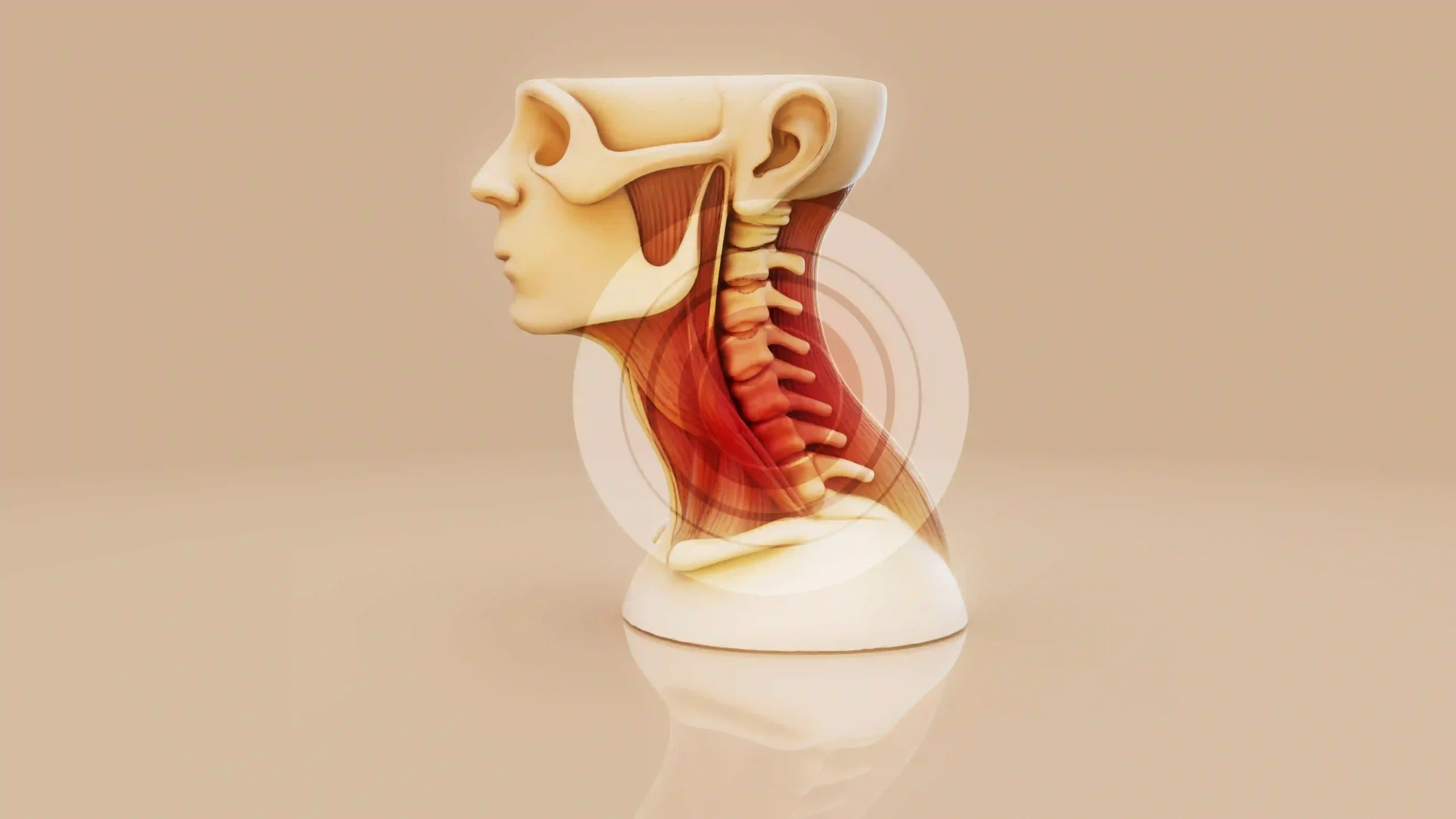
How Chiropractic Care May Help Neck Pain
Chiropractic care is a conservative, non-invasive approach that focuses on improving spinal function, restoring joint mobility, and supporting overall musculoskeletal health. For individuals experiencing neck pain, chiropractic care may help address the mechanical factors contributing to discomfort while promoting long-term spinal health. Treatment plans are individualized based on each patient’s symptoms, medical history, lifestyle, and examination findings. If you’re considering chiropractic treatment for the first time, learn what a chiropractor does and how they assess musculoskeletal conditions.
Comprehensive Assessment
Before beginning treatment, chiropractors perform a comprehensive evaluation to determine the underlying cause of neck pain. This assessment typically includes a review of the patient’s medical history, posture, movement patterns, cervical spine mobility, muscle function, and neurological status when necessary. Understanding these factors allows the chiropractor to develop a personalized care plan that targets the root cause of the symptoms rather than focusing solely on temporary pain relief.
Improving Cervical Spine Mobility
Restricted movement within the cervical spine can contribute to stiffness, muscle tension, and reduced function. Chiropractic techniques may help improve joint mobility by restoring normal movement patterns within the cervical spine. Better mobility can reduce mechanical stress on surrounding muscles and joints, making everyday activities such as turning the head, driving, or working at a computer more comfortable.
Restoring Spinal Alignment
Proper spinal alignment plays an important role in maintaining healthy movement and evenly distributing forces throughout the cervical spine. Mechanical dysfunctions and postural imbalances may increase stress on the muscles, joints, and discs of the neck. Chiropractic care aims to improve spinal alignment and overall biomechanics, which may help reduce unnecessary strain while supporting healthier movement patterns.
Reducing Muscle Tension
Tight muscles commonly accompany neck pain and may contribute to headaches, shoulder discomfort, and limited range of motion. Chiropractors often incorporate soft tissue techniques, stretching recommendations, and other manual therapies to help reduce muscle tension and improve flexibility. Relaxing the surrounding muscles may also decrease pressure on the cervical joints and improve overall comfort.
Rehabilitation Exercises
Exercise is an essential part of long-term recovery from neck pain. Chiropractors frequently prescribe individualized rehabilitation programs that focus on strengthening the cervical muscles, improving posture, increasing flexibility, and restoring normal movement patterns. Consistently performing these exercises can improve spinal stability while reducing the risk of recurring symptoms. Many patients also ask about the recommended frequency of care. Read our guide on how often you should go to the chiropractor.
Preventing Recurring Neck Pain
Beyond treating current symptoms, chiropractic care emphasizes prevention through education and long-term self-management strategies. Patients may receive guidance on workplace ergonomics, posture correction, stretching routines, exercise programs, and healthy movement habits. These preventive measures can help reduce repetitive strain on the cervical spine and support long-term musculoskeletal health.
Tips to Help Prevent Neck Pain
Preventing neck pain often involves simple lifestyle changes that reduce stress on the cervical spine and improve overall spinal health. Developing healthy habits can lower the risk of muscle strain, postural problems, and recurring discomfort.
Maintain Proper Posture
Keep your head aligned directly over your shoulders while sitting, standing, and walking. Avoid slouching or allowing your head to drift forward for prolonged periods, as poor posture places additional stress on the cervical spine and surrounding muscles.
Improve Workplace Ergonomics
Adjust your workstation so that your computer monitor is at eye level, your chair provides adequate back support, and your keyboard and mouse are positioned comfortably. Taking short movement breaks every 30 to 60 minutes can also help reduce muscle fatigue and stiffness.
Exercise Regularly
Regular physical activity strengthens the muscles that support the neck, shoulders, and upper back while improving flexibility and spinal stability. Activities such as walking, swimming, strength training, and mobility exercises can all contribute to better musculoskeletal health.
Stretch Frequently
Gentle stretching throughout the day helps maintain flexibility and reduces muscle tension that develops during prolonged sitting or repetitive activities. Regular neck and shoulder stretches may improve mobility and decrease the likelihood of developing stiffness.
Manage Stress
Stress frequently contributes to muscle tension in the neck and shoulders. Incorporating relaxation techniques such as deep breathing, meditation, yoga, or regular exercise into your daily routine may help reduce muscular tension and support overall well-being.
Sleep in a Supportive Position
Choose a supportive pillow that helps maintain the natural curve of your neck while sleeping. Sleeping on your back or side is generally recommended, while sleeping on your stomach may place unnecessary stress on the cervical spine.
How Wave Chiro May Help
At Wave Chiro, every patient receives a comprehensive assessment designed to identify the underlying cause of neck pain rather than simply treating the symptoms. The evaluation includes a review of medical history, posture, cervical spine mobility, movement patterns, and lifestyle factors that may be contributing to discomfort. This thorough assessment allows the team to develop an individualized treatment plan tailored to each patient’s needs and goals.
Depending on the findings, care may include chiropractic adjustments, soft tissue therapy, rehabilitation exercises, posture correction strategies, and ergonomic recommendations. The goal is to improve spinal function, restore mobility, reduce muscle tension, and support long-term musculoskeletal health. By combining evidence-informed chiropractic care with patient education and personalized rehabilitation, Wave Chiro helps individuals manage neck pain and return to their daily activities with greater comfort and confidence.
FAQ
What is the most common cause of neck pain?
One of the most common causes of neck pain is muscle strain resulting from poor posture, prolonged computer or smartphone use, repetitive movements, or sleeping in an awkward position. Other common causes include cervical disc problems, arthritis, inflammation, and traumatic injuries.
Can poor posture cause chronic neck pain?
Yes. Maintaining poor posture for long periods can place excessive stress on the cervical spine, muscles, and joints. Over time, this may lead to chronic neck pain, muscle tension, headaches, and reduced mobility if the underlying postural habits are not corrected.
Why does my neck hurt when I wake up?
Morning neck pain is often related to sleeping in an awkward position or using a pillow that does not properly support the cervical spine. Muscle tension, poor sleeping posture, or existing cervical spine conditions may also contribute to waking with stiffness or discomfort.
How do I know if my neck pain is serious?
You should seek medical evaluation if your neck pain persists for several weeks, becomes progressively worse, follows an injury, or is accompanied by numbness, tingling, weakness, fever, unexplained weight loss, or difficulty with balance and coordination.
Can a herniated cervical disc heal without surgery?
Many cases of a herniated cervical disc improve with conservative treatment, including activity modification, rehabilitation exercises, physical therapy, and other non-surgical approaches. The most appropriate treatment depends on the severity of symptoms and whether significant nerve compression is present.
Can chiropractic care help with neck pain?
For some individuals, chiropractic care may help improve cervical spine mobility, reduce muscle tension, restore healthy movement patterns, and support long-term spinal health. A chiropractor will first perform a comprehensive assessment to determine whether chiropractic care is appropriate based on the individual’s condition.
Conclusion
Neck pain is a common musculoskeletal condition that can result from muscle strain, poor posture, cervical disc disorders, arthritis, inflammation, stress, repetitive activities, or traumatic injuries. Because many different structures within the cervical spine can contribute to pain, identifying the underlying cause is essential for selecting the most appropriate treatment and preventing recurring symptoms. If neck pain is accompanied by shoulder discomfort, learn more about neck and shoulder pain, its common causes, and treatment options.
Early evaluation, appropriate conservative care, regular exercise, ergonomic improvements, and healthy lifestyle habits can all play an important role in supporting spinal health and reducing the risk of future neck problems. If neck pain persists, worsens, or begins to interfere with daily activities, seeking professional assessment can help identify the cause and guide an individualized treatment plan that promotes long-term recovery and improved quality of life.

Elemmentor Box
Dr. Hussein
Chiropractor & Director
Is an esteemed chiropractor renowned for his innovative approach to chronic pain management and the transformative power of chiropractic care on brain function
Recent Posts
Disc Problems: Causes, Symptoms, and Treatment Options
8 Famous People With Herniated Discs and Lower Back Disc Injuries
How to Sleep With Sciatica: Best Sleeping Positions and Pain Relief Tips
Categories