
Why Do I Have Neck Pain at the Base of the Skull?
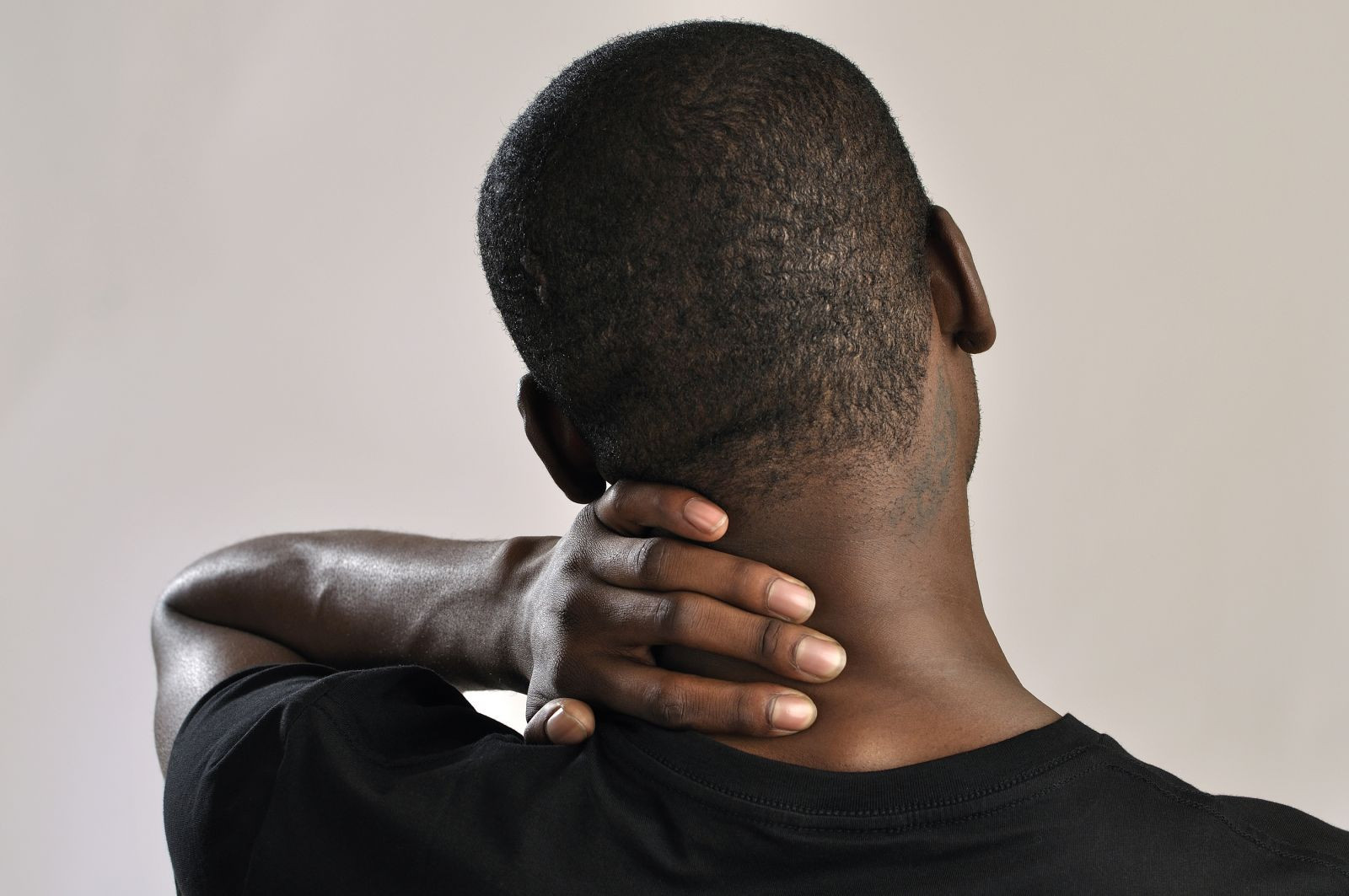
Neck pain at the base of the skull is a common complaint that can affect people of all ages, from office workers and students to athletes and older adults. The discomfort may range from a mild, persistent ache to sharp pain that radiates into the head, shoulders, or upper back, making everyday activities such as working, driving, or even sleeping more difficult. In many cases, the pain is linked to poor posture, muscle tension, or prolonged screen time, but it can also be associated with underlying conditions such as occipital neuralgia, cervical arthritis, or injuries to the upper cervical spine. Pain where the neck meets the skull is one of the most common forms of neck pain, often resulting from muscle strain, poor posture, or problems affecting the upper cervical spine.
Understanding the cause of pain where the neck meets the skull is the first step toward finding effective relief. In this guide, you’ll learn about the most common causes, associated symptoms, warning signs that require medical attention, available treatment options, and practical prevention tips to help reduce pain, restore mobility, and improve your overall quality of life.
What Is Neck Pain at the Base of the Skull?
Neck pain at the base of the skull refers to discomfort that develops where the upper cervical spine connects to the skull. This area contains the first two cervical vertebrae (C1 and C2), muscles, ligaments, joints, and important nerves that support the head and allow it to move in multiple directions. Pain can range from a dull, persistent ache to sharp or stabbing sensations, and it may spread to the back of the head, shoulders, or upper back. Depending on the underlying cause, the discomfort may worsen with head movements, prolonged sitting, or poor posture.
This type of neck pain is one of the most common musculoskeletal complaints because the upper neck is under constant strain throughout the day. Activities such as looking down at a smartphone, working long hours at a computer, sleeping in an awkward position, or experiencing chronic stress can overload the muscles and joints in this region. Repetitive movements and age-related wear and tear can also contribute to ongoing pain and stiffness.
Not all pain at the base of the skull has the same cause. Muscular pain is typically caused by strained or tight muscles and often improves with rest, stretching, and physical therapy. Nerve pain, such as occipital neuralgia, occurs when the occipital nerves become irritated or compressed, leading to sharp, burning, or electric shock-like pain that may radiate toward the scalp. Joint-related pain usually results from conditions affecting the cervical spine, including arthritis or degenerative disc disease, and is often accompanied by stiffness and reduced neck mobility. Pain at the base of the skull is only one presentation among the different types of neck pain. Understanding these categories can help identify the underlying cause and guide the most appropriate treatment.
Neck pain is a widespread health concern worldwide. According to the World Health Organization (WHO), it is one of the leading causes of disability, affecting millions of people every year. Research published in The Lancet Rheumatology also estimates that more than 200 million people globally were living with neck pain in 2020, with the burden expected to increase as populations age and sedentary lifestyles become more common. These findings highlight the importance of early diagnosis, proper treatment, and preventive strategies to reduce long-term discomfort and improve quality of life.
Understanding the Anatomy of the Upper Neck
The upper neck is one of the most important and delicate regions of the body. It acts as the bridge between the head and the rest of the spine, allowing smooth movement while protecting the spinal cord and supporting the weight of the head. This small area contains several bones, muscles, ligaments, joints, blood vessels, and nerves that work together to provide both stability and flexibility. Because so many structures are packed into a limited space, even minor injuries, inflammation, or muscle tension can result in pain at the base of the skull.
The Structure of the Base of the Skull
The base of the skull consists of several interconnected structures that enable the head to move comfortably while protecting vital neurological tissues.
- The occipital bone forms the foundation of the skull.
- The occipital bone is located at the lower back portion of the skull.
- It protects the lower part of the brain, including the cerebellum and brainstem.
- It contains the foramen magnum, a large opening where the spinal cord passes from the brain into the cervical spine.
- Multiple muscles and ligaments attach to the occipital bone, helping stabilize the head during movement.
- When these muscles become tight or inflamed, pain often develops where the skull meets the neck.
- The atlas (C1) supports the head.
- The atlas is the first cervical vertebra located directly beneath the skull.
- It carries the entire weight of the head, which typically weighs 10–12 pounds (4.5–5.5 kg).
- Unlike most vertebrae, the atlas does not have a vertebral body, allowing greater flexibility.
- It enables the head to move forward and backward, such as when nodding “yes.”
- The axis (C2) allows head rotation.
- The axis sits directly below the atlas.
- It contains a unique structure called the dens (odontoid process) that acts as a pivot.
- This design allows the head to rotate from side to side, such as when shaking “no.”
- Together, the atlas and axis provide nearly half of the neck’s total rotational movement.
- Muscles surrounding the upper neck provide stability and movement.
- Deep suboccipital muscles stabilize the head and control fine movements.
- The trapezius muscle supports the neck and shoulders while assisting with posture.
- The levator scapulae helps lift the shoulder blade and assists in neck movement.
- The sternocleidomastoid muscle rotates and bends the head while contributing to overall neck stability.
- Muscle tightness or fatigue in any of these muscles can trigger localized pain and headaches.
- Ligaments maintain spinal stability.
- Strong ligaments connect the skull to the cervical vertebrae.
- They prevent excessive movement that could damage the spinal cord.
- Injuries such as whiplash may overstretch these ligaments, resulting in chronic pain and instability.
- Several important nerves pass through this region.
- The greater occipital nerve provides sensation to much of the back of the scalp.
- The lesser occipital nerve supplies sensation behind the ears and along the side of the scalp.
- Compression or irritation of these nerves can cause occipital neuralgia, leading to sharp, burning, or electric shock-like pain that radiates from the neck into the head.
Why This Area Is Prone to Pain
The upper cervical spine performs demanding tasks every day, making it especially susceptible to discomfort and injury.
- It constantly supports the weight of the head.
- The average adult head weighs approximately 10–12 pounds.
- Even while standing still, the neck muscles work continuously to keep the head balanced.
- Any muscle weakness or imbalance increases stress on the cervical spine.
- Poor posture dramatically increases neck strain.
- Looking down at a smartphone or laptop causes the head to move forward.
- As the head shifts forward, the effective weight placed on the neck increases significantly.
- A forward head posture can place several times more stress on the upper cervical muscles than standing with proper alignment.
- Over time, this extra strain contributes to muscle fatigue, stiffness, and chronic pain.
- The upper neck is the most mobile part of the spine.
- It allows bending, extension, rotation, and side-to-side movement.
- This remarkable flexibility also makes the joints more vulnerable to overuse and injury.
- Frequent repetitive movements can gradually irritate muscles, ligaments, and joints.
- The muscles in this area are active throughout the day.
- They stabilize the head during walking, sitting, driving, and sleeping.
- Prolonged muscle contraction without adequate rest may lead to trigger points and muscle spasms.
- Chronic muscle tension often causes pain that radiates into the back of the head.
- The upper cervical joints experience gradual wear over time.
- Aging can lead to cartilage degeneration and osteoarthritis.
- Reduced joint space may increase stiffness and inflammation.
- Degenerative changes may also irritate nearby nerves, contributing to persistent pain.
- Stress can worsen symptoms.
- Emotional stress often causes unconscious tightening of the neck and shoulder muscles.
- Continuous muscle tension reduces blood flow and increases soreness.
- This explains why neck pain and tension headaches commonly occur during periods of anxiety or prolonged mental stress.
- Injuries can disrupt the delicate balance of the upper neck.
- Car accidents, falls, and sports injuries may damage muscles, ligaments, joints, or nerves.
- Even seemingly minor injuries can result in long-lasting pain if not treated properly.
- Conditions such as whiplash frequently cause pain at the base of the skull due to soft tissue damage and joint dysfunction
Common Causes of Neck Pain at the Base of the Skull
Pain at the base of the skull can result from a variety of conditions affecting the muscles, joints, nerves, and bones of the upper cervical spine. While some causes are relatively minor and improve with rest and conservative treatment, others may require medical evaluation to prevent long-term complications. Understanding the underlying cause is essential for choosing the most effective treatment and preventing recurring symptoms. Many of these conditions are part of the broader range of causes of neck pain, which include muscle strain, poor posture, joint degeneration, nerve irritation, and traumatic injuries.
Poor Posture (Tech Neck)
Poor posture, often referred to as Tech Neck or Text Neck, has become one of the leading causes of neck pain due to the widespread use of smartphones, tablets, and computers. When the head remains tilted forward for prolonged periods, the muscles and joints of the upper cervical spine must support significantly more weight than they are designed to handle. This continuous strain causes muscle fatigue, ligament stress, joint irritation, and inflammation around the base of the skull. Over time, poor posture can also alter the natural curvature of the cervical spine, increasing the risk of chronic neck pain, headaches, and reduced mobility. Fortunately, improving posture, adjusting workstation ergonomics, and taking frequent movement breaks can significantly reduce symptoms and prevent future problems.
Muscle Tension and Strain
Muscle tension and strain are among the most common reasons people experience pain where the neck meets the skull. The muscles surrounding the upper cervical spine work continuously to stabilize the head during everyday activities such as walking, driving, reading, and using electronic devices. Repetitive movements, lifting heavy objects, prolonged sitting, or sleeping in an awkward position can overstretch these muscles, causing microscopic tears and painful trigger points. Emotional stress also contributes by causing unconscious tightening of the neck and shoulder muscles, reducing blood flow and increasing muscle stiffness. The resulting pain often feels dull, aching, or tight and may spread to the shoulders, upper back, or back of the head, especially after long periods of inactivity. Because the muscles of the neck and shoulders work together, these symptoms often occur simultaneously. Learn more about the causes and treatment of neck and shoulder pain.
Occipital Neuralgia
Occipital neuralgia is a neurological condition caused by irritation, inflammation, or compression of the greater or lesser occipital nerves, which travel from the upper cervical spine to the scalp. Unlike ordinary neck pain, occipital neuralgia typically produces sudden, sharp, burning, or electric shock-like pain that begins at the base of the skull and radiates toward the top or side of the head. Some individuals also experience scalp tenderness, pain when brushing their hair, or discomfort triggered by touching the back of the head. Although the symptoms can resemble migraine headaches, occipital neuralgia differs because the pain originates from irritated nerves rather than changes within the brain. Proper diagnosis is important since treatment often focuses on relieving nerve compression through physical therapy, medications, nerve blocks, or other targeted therapies.
Cervicogenic Headaches
A cervicogenic headache is a secondary headache that originates from a problem within the cervical spine rather than the head itself. Conditions affecting the upper cervical joints, muscles, discs, or ligaments can irritate nearby nerves, causing pain that radiates from the neck into the back of the head, temples, forehead, or behind one eye. Unlike migraines, cervicogenic headaches are often triggered or worsened by neck movement or prolonged static postures and are usually accompanied by neck stiffness and reduced range of motion. Because the pain originates from the neck, treating the underlying cervical dysfunction through physical therapy, posture correction, chiropractic care, or manual therapy often provides significant relief.
Cervical Arthritis
Cervical arthritis, commonly known as cervical spondylosis, is a degenerative condition that develops as the joints, cartilage, and discs of the cervical spine gradually wear down with age. As cartilage deteriorates, the vertebrae experience increased friction, leading to inflammation, stiffness, and reduced flexibility. Bone spurs may also develop and place pressure on nearby nerves, contributing to pain at the base of the skull, headaches, and sometimes numbness or tingling in the shoulders and arms. Although cervical arthritis becomes more common after the age of 50, previous neck injuries, repetitive strain, and poor posture may accelerate the degenerative process. Early treatment focusing on mobility exercises, strengthening, and pain management can help slow progression and improve daily function.
Cervical Herniated Disc
A cervical herniated disc occurs when the soft inner portion of a spinal disc protrudes through its tougher outer layer, placing pressure on nearby spinal nerves or the spinal cord. While herniated discs are more common in the lower cervical spine, those affecting the upper cervical region may produce pain that extends to the base of the skull. In addition to localized neck pain, patients often experience pain radiating into the shoulders or arms, numbness, tingling, muscle weakness, and reduced neck mobility. Symptoms may worsen when coughing, sneezing, or performing certain neck movements because these activities temporarily increase pressure within the spinal canal. Treatment depends on the severity of the condition and may include physical therapy, anti-inflammatory medications, spinal injections, or surgery in severe cases involving significant nerve compression.
Whiplash and Neck Injuries
Whiplash and other traumatic neck injuries are common causes of pain at the base of the skull, particularly after motor vehicle collisions, sports accidents, or falls. Whiplash occurs when the head is suddenly thrown backward and then forward, causing excessive stretching of the muscles, ligaments, tendons, and joints of the cervical spine. Symptoms often develop within hours or days after the injury and may include neck pain, stiffness, headaches originating at the base of the skull, dizziness, shoulder pain, and limited range of motion. Sports involving high-impact collisions or sudden falls can produce similar injuries, while direct trauma to the head or neck may also damage the cervical joints or nerves. Prompt medical evaluation is essential after significant trauma to rule out fractures, ligament injuries, or spinal cord damage and to begin appropriate treatment before chronic pain develops.
How Neck Pain at the Base of the Skull Is Diagnosed
Accurately diagnosing neck pain at the base of the skull is essential because many conditions can cause similar symptoms. Healthcare providers use a combination of physical assessments and imaging tests to determine the exact source of the pain and recommend the most appropriate treatment.
Medical History
Your healthcare provider will begin by asking detailed questions about your symptoms, including when the pain started, its severity, whether it spreads to the head or shoulders, and any recent injuries or daily activities that may contribute to the problem. They will also review your medical history to identify conditions such as arthritis or previous neck injuries that could be causing your pain.
Posture Assessment
Poor posture is one of the most common causes of upper neck pain, so your provider will evaluate your head, neck, and shoulder alignment. They will look for issues such as forward head posture, rounded shoulders, or muscle imbalances that place excessive stress on the upper cervical spine.
Range of Motion Tests
During the examination, you’ll be asked to move your neck in different directions, including bending forward, backward, side to side, and rotating your head. These movements help determine whether pain is caused by muscle tightness, joint dysfunction, or cervical spine disorders while also identifying any limitations in neck mobility.
Neurological Examination
If nerve involvement is suspected, a neurological examination will be performed to evaluate muscle strength, reflexes, sensation, and coordination. This helps detect conditions such as cervical radiculopathy or occipital neuralgia, where irritated nerves may cause pain, numbness, tingling, or weakness.
X-rays
X-rays are often the first imaging test used to examine the bones of the cervical spine. They can identify fractures, spinal alignment problems, arthritis, bone spurs, and other structural abnormalities but cannot clearly show muscles, nerves, or spinal discs.
MRI Scan
An MRI (Magnetic Resonance Imaging) provides detailed images of the soft tissues in the neck, including spinal discs, nerves, muscles, ligaments, and the spinal cord. It is commonly recommended when a herniated disc, nerve compression, infection, or spinal cord problem is suspected.
CT Scan
A CT (Computed Tomography) scan produces highly detailed images of the cervical bones and is particularly useful after traumatic injuries or when complex fractures are suspected. It may also be recommended for patients who cannot undergo an MRI.
When Is Imaging Necessary?
Imaging tests are not required for every case of neck pain. They are typically recommended when pain persists despite conservative treatment, follows a significant injury, is accompanied by numbness, weakness, balance problems, or severe headaches, or when healthcare providers suspect serious conditions such as fractures, spinal cord compression, tumors, or infections. In many cases of muscle strain or poor posture, a physical examination alone is enough to establish the diagnosis and begin treatment. In some cases, discomfort develops primarily on one side of the neck or head. Learn more about the common causes of one-sided neck pain and when it should be evaluated.
Effective Treatment Options for Neck Pain at the Base of the Skull
The best treatment for neck pain at the base of the skull depends on its underlying cause and severity. Most cases caused by muscle strain, poor posture, or mild joint dysfunction respond well to conservative treatments. However, persistent or severe pain may require more advanced medical interventions. A personalized treatment plan often combines several approaches to relieve pain, restore mobility, and prevent future episodes.
Rest and Activity Modification
Rest is important during the first few days of acute neck pain, but complete bed rest should be avoided because it can lead to increased stiffness and muscle weakness. Instead, patients are encouraged to stay active with light daily activities while avoiding movements that worsen their symptoms. Limiting prolonged screen time, taking frequent breaks during desk work, and avoiding heavy lifting or repetitive neck movements can reduce strain on the upper cervical spine and promote faster recovery.
Physical Therapy
Physical therapy is one of the most effective long-term treatments for neck pain at the base of the skull. A physical therapist develops an individualized program that includes stretching exercises to reduce muscle tightness, strengthening exercises for the deep neck and upper back muscles, and posture correction techniques to improve spinal alignment. Manual therapy, mobility exercises, and ergonomic education are also commonly included to restore normal neck function, reduce pain, and lower the risk of recurring symptoms.
Heat and Cold Therapy
Heat and cold therapy can help manage neck pain, depending on the stage of the injury. Cold therapy is most beneficial during the first 24 to 48 hours after an acute injury because it reduces inflammation, swelling, and pain by constricting blood vessels. Once the acute inflammation subsides, heat therapy becomes more effective by increasing blood flow, relaxing tight muscles, improving flexibility, and reducing stiffness. Alternating between heat and cold may also provide relief for some individuals with chronic neck pain.
Medications
Medications are often used to control pain and inflammation while the neck heals. Over-the-counter pain relievers such as acetaminophen can help reduce discomfort, while nonsteroidal anti-inflammatory drugs (NSAIDs) like ibuprofen or naproxen help decrease both pain and inflammation. In cases involving severe muscle spasms, healthcare providers may prescribe short-term muscle relaxants. These medications should always be used according to medical guidance, particularly if symptoms persist or worsen.
Chiropractic Care
Chiropractic care may benefit patients whose neck pain is related to joint dysfunction, restricted spinal movement, or poor posture. Treatment often includes gentle spinal adjustments to improve joint mobility, soft tissue therapy to release muscle tension, and corrective exercises to strengthen supporting muscles. Chiropractors also provide posture education and ergonomic recommendations that help reduce stress on the cervical spine. When performed by a qualified professional and following an appropriate evaluation, chiropractic care can improve neck function and reduce recurring pain for many patients.
Advanced Treatment Options
When conservative treatments fail to provide adequate relief or when nerve-related pain is severe, more advanced therapies may be considered. Trigger point injections can help relax painful muscle knots that contribute to chronic neck pain. Occipital nerve blocks involve injecting a local anesthetic, sometimes combined with a corticosteroid, around the occipital nerves to relieve occipital neuralgia and persistent headaches. Radiofrequency ablation uses controlled heat to interrupt pain signals from affected nerves, providing longer-lasting pain relief for selected patients. Surgery is rarely required but may be recommended in cases of severe spinal cord compression, significant nerve damage, spinal instability, or large herniated discs that do not respond to non-surgical treatment. Early evaluation and appropriate treatment can often prevent the need for surgical intervention.

Best Exercises for Neck Pain at the Base of the Skull
Exercise is one of the most effective ways to relieve neck pain at the base of the skull and prevent it from returning. Gentle stretching and strengthening exercises can reduce muscle tension, improve posture, increase flexibility, and restore normal movement in the upper cervical spine. However, exercises should be performed slowly and without forcing any movement that causes sharp or worsening pain.
Chin Tucks
The chin tuck is one of the best exercises for correcting forward head posture and strengthening the deep neck flexor muscles, which help support the cervical spine. It can reduce pressure on the muscles and joints at the base of the skull while improving overall neck alignment.
How to perform the exercise:
- Sit or stand with your shoulders relaxed and your back straight.
- Keep your eyes looking straight ahead.
- Gently pull your chin backward as if creating a “double chin.”
- Avoid tilting your head up or down.
- Hold the position for 5–10 seconds.
- Slowly return to the starting position.
Recommended repetitions:
- Perform 10 repetitions.
- Complete 2–3 sets daily.
Upper Trapezius Stretch
This stretch targets the upper trapezius muscle, which commonly becomes tight from prolonged sitting, poor posture, and stress. Stretching this muscle helps relieve tension that contributes to pain at the base of the skull.
How to perform the exercise:
- Sit upright with your shoulders relaxed.
- Place one hand underneath the chair or behind your back.
- Tilt your head toward the opposite shoulder until you feel a gentle stretch.
- Use your opposite hand to apply light pressure if needed.
- Hold the stretch without bouncing.
- Repeat on the opposite side.
Recommended repetitions:
- Hold for 20–30 seconds.
- Repeat 2–3 times on each side.
Levator Scapulae Stretch
The levator scapulae muscle connects the neck to the shoulder blade and is another common source of upper neck pain and stiffness. Stretching this muscle can reduce discomfort caused by prolonged computer work or poor sleeping positions.
How to perform the exercise:
- Sit or stand with good posture.
- Turn your head about 45 degrees to one side.
- Slowly look downward toward your armpit.
- Place your hand on the back of your head and gently increase the stretch.
- Hold the position while breathing normally.
- Repeat on the opposite side.
Recommended repetitions:
- Hold for 20–30 seconds.
- Perform 2–3 repetitions per side.
Shoulder Blade Squeezes
This strengthening exercise activates the muscles between the shoulder blades, helping improve posture and reduce strain on the neck. It is especially beneficial for people who spend long hours sitting at a desk.
How to perform the exercise:
- Sit or stand with your arms resting at your sides.
- Pull your shoulder blades backward and slightly downward.
- Imagine trying to squeeze a pencil between your shoulder blades.
- Keep your shoulders relaxed and avoid shrugging.
- Hold the contraction before relaxing.
Recommended repetitions:
- Hold for 5–10 seconds.
- Perform 10–15 repetitions.
- Repeat 2–3 sets daily.
Safety Precautions
Before starting any neck exercise program, it is important to follow a few safety guidelines to avoid worsening your symptoms.
- Perform all movements slowly and in a controlled manner.
- Stop immediately if you experience sharp pain, numbness, dizziness, or weakness.
- Never force your neck beyond its comfortable range of motion.
- Breathe normally throughout each exercise and avoid holding your breath.
- Warm up with a short walk or a warm compress if your neck feels particularly stiff.
- Consult a healthcare provider or physical therapist before exercising if your pain resulted from trauma, is severe, or is accompanied by neurological symptoms such as arm weakness or numbness.
When performed consistently and with proper technique, these exercises can help reduce pain, improve neck mobility, strengthen supporting muscles, and lower the risk of recurring pain at the base of the skull.
Where to Get the Best Chiropractic Care for Neck Pain
If you’re experiencing persistent neck pain at the base of the skull, choosing the right chiropractic clinic can make a significant difference in your recovery. At Wave Chiro, every patient begins with a comprehensive assessment to identify the root cause of their pain, whether it’s related to poor posture, muscle tension, cervical joint dysfunction, or nerve irritation. Rather than focusing solely on symptom relief, the team develops personalized treatment plans designed to improve spinal function, restore mobility, and support long-term recovery.
Wave Chiro combines gentle chiropractic adjustments, soft tissue therapy, therapeutic exercises, and posture correction strategies to deliver evidence-based care tailored to each patient’s needs. In addition to hands-on treatment, patients receive practical guidance on improving daily habits and preventing future flare-ups. With a patient-centered approach and a commitment to lasting results, Wave Chiro helps individuals return to their daily activities with less pain, better movement, and improved overall spinal health.
FAQ
Why does my neck hurt where it meets my skull?
Pain where the neck meets the skull is commonly caused by muscle tension, poor posture, prolonged screen use, or conditions affecting the upper cervical spine, such as occipital neuralgia or cervical arthritis. In some cases, injuries like whiplash or a herniated disc may also contribute to the pain. A proper evaluation is important to identify the exact cause and determine the most effective treatment.
Can stress cause pain at the base of the skull?
Yes. Stress can cause the muscles in your neck and shoulders to tighten, leading to increased tension around the base of the skull. Over time, this muscle tightness may trigger neck pain, stiffness, and tension headaches. Managing stress through regular exercise, stretching, relaxation techniques, and good posture can help reduce these symptoms.
Is occipital neuralgia permanent?
No, occipital neuralgia is not usually permanent. Many people experience significant improvement with conservative treatments such as physical therapy, chiropractic care, medications, nerve blocks, or lifestyle changes. The recovery time depends on the underlying cause and how quickly appropriate treatment begins.
Should I use heat or ice for neck pain?
Ice is generally recommended during the first 24 to 48 hours after an acute injury because it helps reduce inflammation and swelling. Heat therapy is more effective for chronic neck pain or muscle tightness, as it increases blood flow, relaxes muscles, and improves flexibility. If you’re unsure which option is best, consult your healthcare provider.
When should I see a healthcare provider?
You should seek medical attention if your neck pain lasts longer than a few weeks, becomes progressively worse, or is accompanied by symptoms such as numbness, tingling, arm weakness, severe headaches, dizziness, fever, difficulty walking, or loss of bladder or bowel control. You should also be evaluated immediately if your pain begins after a significant fall, sports injury, or car accident. While most cases improve with conservative care, certain warning signs may indicate a more serious underlying condition. Learn when serious neck pain requires immediate medical attention.
Can chiropractic care help neck pain at the base of the skull?
Yes. Chiropractic care can be an effective treatment for many cases of neck pain at the base of the skull, particularly when the pain is related to joint dysfunction, muscle tension, or poor posture. A chiropractor may use spinal adjustments, soft tissue therapy, posture correction, and therapeutic exercises to reduce pain, improve mobility, and restore proper neck function. A thorough assessment is always performed first to ensure chiropractic treatment is appropriate for your condition.
Conclusion
Neck pain at the base of the skull is more than just a minor inconvenience—it can affect your productivity, sleep quality, and overall well-being if left untreated. While common causes such as poor posture, muscle tension, and prolonged screen use often respond well to conservative care, persistent or worsening symptoms should never be ignored. Early diagnosis and the right treatment approach can help relieve pain, restore mobility, and prevent long-term complications. If your symptoms continue for more than 12 weeks or repeatedly return despite treatment, they may indicate chronic neck pain, which often requires a comprehensive management plan.
If you’re experiencing ongoing neck pain or headaches that start at the base of your skull, seeking professional care is the best step toward lasting relief. At Wave Chiro, our experienced team provides personalized, evidence-based chiropractic care designed to address the root cause of your symptoms. Through comprehensive assessments and customized treatment plans, we help you reduce pain, improve neck function, and get back to living an active, pain-free life. Schedule your consultation today and take the first step toward better spinal health and lasting comfort.

Elemmentor Box
Dr. Hussein
Chiropractor & Director
Is an esteemed chiropractor renowned for his innovative approach to chronic pain management and the transformative power of chiropractic care on brain function
Recent Posts
Disc Problems: Causes, Symptoms, and Treatment Options
8 Famous People With Herniated Discs and Lower Back Disc Injuries
How to Sleep With Sciatica: Best Sleeping Positions and Pain Relief Tips
Categories