
What Is Back Manipulation? Benefits, Safety, and Spinal Manipulation
Back pain is one of the most common musculoskeletal complaints in Australia, affecting people of all ages due to poor posture, sedentary lifestyles, sports injuries, and work-related strain. It often presents as lower back pain, stiffness, reduced mobility, or radiating discomfort such as sciatica, which can significantly impact daily activities and overall quality of life.
Back manipulation refers to a hands-on therapeutic technique used to improve spinal alignment, reduce joint restriction, and support the body’s natural healing process. In simple terms, it is a controlled movement applied to the spine to help restore mobility and relieve pain.
Also known as spinal manipulation, this approach is commonly used in chiropractic care as a non-invasive option for managing back pain and improving function. At Wave Chiropractic & Wellness in Australia, personalised chiropractic treatments are designed to address the root cause of discomfort, helping patients achieve long-term relief and improved spinal health through safe and evidence-informed care.
What Is Back Manipulation?
Back manipulation is a hands-on manual therapy technique used to improve the movement and function of the spine. It involves applying controlled, precise force to specific spinal joints in order to reduce stiffness, restore mobility, and help relieve pain or discomfort.
This technique is most commonly performed by trained healthcare professionals such as chiropractors, particularly as part of a broader treatment plan for musculoskeletal conditions like back pain, poor posture, or restricted movement.
The term is closely related to spinal manipulation, which is often used interchangeably. Both refer to similar manual techniques that aim to improve spinal joint function and support the body’s natural healing process.
What Is Spinal Manipulation?
Spinal manipulation is a manual therapy technique that focuses on improving the alignment, mobility, and function of the spine. It involves the application of controlled, targeted force to specific spinal joints to help restore normal movement, reduce joint restriction, and support overall musculoskeletal health.
Beyond improving physical movement, spinal manipulation is also believed to influence the nervous system by reducing pressure and irritation around spinal joints. This may help improve communication between the brain and body, which can contribute to reduced pain perception and improved functional performance.
While spinal manipulation is also used in some forms of physiotherapy manual therapy, the approach may differ in technique, assessment style, and treatment philosophy. Physiotherapists often combine it with exercise therapy and rehabilitation programs, whereas chiropractic care places a stronger emphasis on spinal alignment and the relationship between the spine, nervous system, and overall body function.
In chiropractic practice, spinal manipulation is a core treatment method. At clinics like Wave Chiropractic & Wellness in Australia, it is delivered as part of a personalized care plan designed to address the underlying causes of pain, improve spinal mechanics, and support long-term wellness rather than just symptom relief.
In most contexts, back manipulation and spinal manipulation refer to the same type of manual therapy. The difference is mainly in how the terms are used rather than the technique itself.
Simple Comparison Table
| Term | Meaning | Use Case |
| Back manipulation | General term | Everyday language used by patients |
| Spinal manipulation | Clinical term | Healthcare, chiropractic, and physiotherapy use |
In short, the two terms describe very similar approaches, but spinal manipulation is the preferred professional terminology used in clinical practice, including at clinics like Wave Chiropractic & Wellness in Australia.
How Spinal Manipulation Works
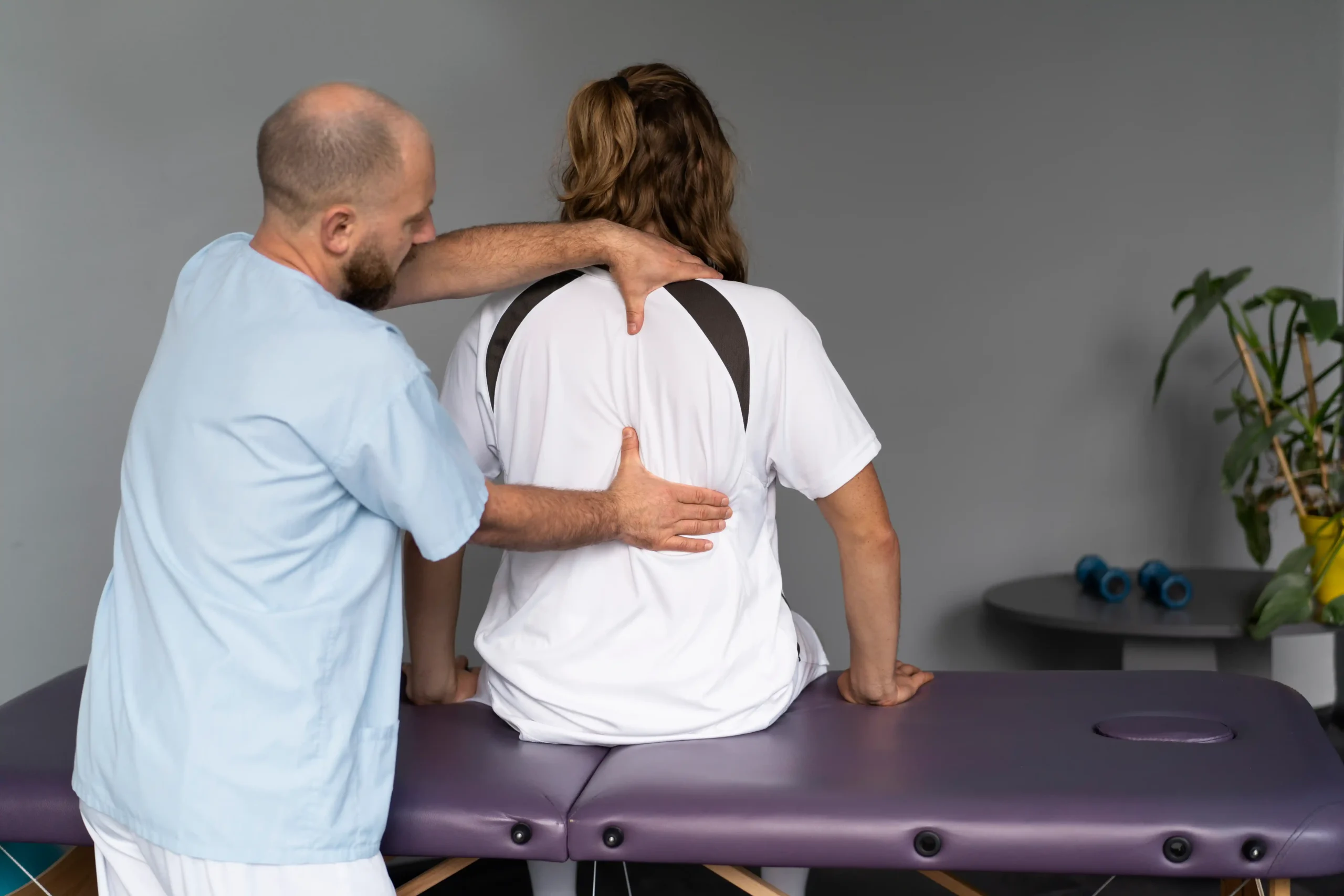
Spinal manipulation is a structured clinical process that begins with a careful assessment and ends with a tailored, controlled treatment designed to improve spinal function and reduce discomfort.
1. Assessment Before Treatment
Before any manual therapy is performed, a chiropractor carries out a detailed evaluation. This may include reviewing medical history, discussing symptoms, assessing posture, testing range of motion, and identifying areas of stiffness or restriction. This step ensures the treatment is appropriate and safe for the patient.
2. Manual Adjustment Techniques
Once the problem areas are identified, the chiropractor uses specific hands-on techniques to apply controlled force to targeted spinal joints. These adjustments are designed to restore normal joint movement and reduce mechanical stress in the spine.
3. Controlled Pressure and Joint Mobilization
The applied force is precise and carefully controlled. Depending on the patient’s condition, techniques may range from quick, gentle adjustments to slower joint mobilization methods. The goal is to improve mobility while minimizing discomfort.
4. Safety Protocols in Australian Clinics
In Australia, chiropractic care follows strict professional and clinical safety guidelines. Clinics like Wave Chiropractic & Wellness prioritize patient screening, evidence-informed techniques, and continuous monitoring during treatment to ensure safety and effectiveness.
5. Personalised Treatment Plans
Each patient receives an individualized care plan based on their condition, lifestyle, and recovery goals. This may include spinal manipulation, posture advice, mobility exercises, and ongoing progress reviews to support long-term improvement rather than short-term relief alone.
Conditions Treated with Back Manipulation
Back manipulation and spinal manipulation are commonly used to help manage a range of musculoskeletal conditions, particularly those affecting the spine, posture, and nervous system function. These techniques are often part of a broader chiropractic care plan aimed at improving mobility and reducing pain.
Common conditions include:
- Lower back pain
One of the most common reasons people seek chiropractic care is often caused by muscle strain, joint restriction, or poor posture. - Neck stiffness
Reduced neck mobility and tension that may result from long hours of desk work, screen use, or poor sleeping posture. - Sciatica
Pain that radiates from the lower back into the leg, often linked to irritation or compression of spinal nerves. - Slipped disc symptoms (disc bulge or herniation)
May include localized back pain, stiffness, or nerve-related symptoms such as tingling or numbness. - Postural issues
Imbalances caused by prolonged sitting, repetitive strain, or structural misalignment of the spine. - Headaches linked to spine tension
Tension headaches that may originate from tight neck and upper back muscles or cervical spine dysfunction.
At clinics like Wave Chiropractic & Wellness, treatment is tailored to each individual, focusing not only on symptom relief but also on addressing underlying spinal dysfunction to support long-term musculoskeletal health.

Benefits of Spinal Manipulation
Spinal manipulation is widely used in chiropractic care to support musculoskeletal health and improve overall spinal function. When applied appropriately, it can provide several therapeutic benefits, especially for individuals experiencing back or neck discomfort.
Key benefits include:
- Pain relief
Helps reduce discomfort associated with joint restriction, muscle tension, and spinal misalignment. - Improved mobility
Restores normal movement in the spine and surrounding joints, making daily activities easier and less restricted. - Better posture
Supports spinal alignment, which may help correct posture issues caused by prolonged sitting or repetitive strain. - Reduced muscle tension
Eases tightness in surrounding muscles by improving joint function and reducing compensatory stress patterns. - Improved quality of life
By reducing pain and improving movement, patients often experience better sleep, productivity, and overall well-being. - Drug-free treatment option
Provides a non-invasive, medication-free approach to managing musculoskeletal pain and dysfunction.
At clinics such as Wave Chiropractic & Wellness, spinal manipulation is incorporated into personalised care plans designed to support safe, evidence-informed recovery and long-term spinal health.
Is Back Manipulation Safe?
Back manipulation and spinal manipulation are generally considered safe when performed by a trained and licensed healthcare professional. In Australia, chiropractors undergo regulated education and clinical training to ensure treatments are delivered appropriately and with patient safety as a priority.
However, like any manual therapy, safety depends on proper assessment, correct diagnosis, and suitability for the individual patient.
When spinal manipulation is generally safe
Spinal manipulation is considered safe when:
- It is performed by a qualified and licensed chiropractor
- A full health and physical assessment has been completed first
- The patient has common musculoskeletal issues such as mild to moderate back pain, stiffness, or posture-related discomfort
- There are no underlying high-risk medical conditions
At clinics such as Wave Chiropractic & Wellness, practitioners use screening processes and individualized care plans to ensure treatment is appropriate and tailored to each patient.
When back manipulation should be avoided
Spinal manipulation may NOT be suitable in certain cases, including:
- Recent fractures or severe trauma
- Advanced osteoporosis (weak or brittle bones)
- Severe spinal conditions requiring medical or surgical care
- Signs of serious underlying disease (e.g., infection, tumor, unexplained neurological symptoms)
- Certain high-risk vascular or neurological conditions
In these cases, patients are typically referred for further medical evaluation before any manual therapy is considered.
Importance of professional assessment
A proper clinical assessment is essential before any spinal manipulation. This helps identify the root cause of pain and ensures that treatment is both safe and effective. Skipping this step can increase the risk of complications or ineffective care.
Role of licensed chiropractors in Australia
In Australia, chiropractors are regulated healthcare professionals who must meet strict educational and practice standards. They are trained to:
- Assess spinal and musculoskeletal conditions
- Identify contraindications (reasons not to treat)
- Apply safe, controlled manual techniques
- Create personalised treatment plans based on patient needs
This regulated approach helps ensure that spinal manipulation is delivered responsibly, with patient safety as a core priority.

What to Expect at Wave Chiropractic & Wellness
At Wave Chiropractic & Wellness, patients can expect a patient-focused approach designed to address the root cause of pain and support long-term spinal health through personalized chiropractic care.
Personalized chiropractic treatment plans
Every patient receives an individualized care plan based on a detailed assessment of their condition, lifestyle, and health goals. Treatment is tailored to ensure the most effective approach for each case rather than a one-size-fits-all method.
Experienced chiropractic team
The clinic is supported by an experienced chiropractic team trained in assessing and managing a wide range of musculoskeletal conditions. Their focus is on safe, evidence-informed care and clear patient communication throughout the treatment process.
Advanced chiropractic adjustment techniques
Wave Chiropractic & Wellness uses a variety of chiropractic adjustment and spinal manipulation techniques designed to improve joint mobility, reduce tension, and support overall spinal function. Techniques are selected based on patient comfort and clinical need.
Family-focused care
The clinic provides care suitable for individuals and families, offering support for different age groups and lifestyles. The goal is to promote better spinal health for long-term wellness across all stages of life.
Who Should Consider Spinal Manipulation?
Spinal manipulation may be beneficial for a wide range of people experiencing musculoskeletal discomfort, especially those dealing with spinal stiffness, poor posture, or ongoing back pain. It is commonly used in chiropractic care as part of a personalised treatment approach.
Office workers
People who sit for long hours at a desk or use computers frequently may develop poor posture, neck stiffness, and lower back pain. Spinal manipulation can help improve joint mobility and reduce tension caused by prolonged sitting.
Athletes
Athletes often place repeated stress on their spine and joints through training and competition. Chiropractic spinal manipulation may support improved mobility, recovery, and injury prevention by maintaining proper spinal function.
Elderly patients
Older adults may experience reduced joint flexibility, stiffness, and age-related degeneration. Gentle spinal manipulation techniques can help improve mobility and support daily movement when clinically appropriate.
People with chronic back pain
Individuals with long-term back pain may benefit from spinal manipulation as part of a broader care plan aimed at improving spinal alignment, reducing stiffness, and enhancing quality of life.
Pregnant women (chiropractic pregnancy care)
During pregnancy, postural changes and increased spinal load can lead to back and pelvic discomfort. Gentle chiropractic care, including modified spinal manipulation techniques, may help support comfort and mobility during pregnancy when performed by trained practitioners.
At clinics such as Wave Chiropractic & Wellness, care is always tailored to the individual, ensuring that spinal manipulation techniques are chosen based on safety, comfort, and clinical suitability.
FAQs
Q1: Is back manipulation the same as chiropractic adjustment?
Yes, in most cases back manipulation is closely related to a chiropractic adjustment. Both involve controlled manual force applied to spinal joints to improve movement, reduce stiffness, and relieve pain. “Back manipulation” is a general term, while “chiropractic adjustment” is the clinical term used in practice.
Q2: Does spinal manipulation hurt?
Spinal manipulation is generally not painful. Most patients feel a quick, controlled movement that may produce a popping or releasing sensation. Some mild soreness can occur afterward, similar to post-exercise muscle soreness, but this usually resolves within 24–48 hours.
Q3: How many sessions are needed for back pain?
The number of sessions varies depending on the condition, severity, and individual response to treatment. Some people feel improvement after a few visits, while chronic or long-term issues may require ongoing care over several weeks as part of a personalised treatment plan.
Q4: Is spinal manipulation scientifically proven?
Research suggests spinal manipulation can be effective for certain musculoskeletal conditions, especially lower back pain and stiffness. It is widely used in chiropractic and physiotherapy settings as part of evidence-informed care, often combined with exercise and rehabilitation strategies for best results.
Q5: Can it help sciatica?
Yes, spinal manipulation may help reduce sciatic pain by improving spinal mobility and reducing pressure or irritation on affected nerves. Results vary depending on the underlying cause, so proper assessment by a qualified chiropractor is important before starting treatment.
Conclusion
Back manipulation is a widely used manual therapy technique designed to improve spinal movement, reduce stiffness, and help relieve musculoskeletal pain. When performed correctly by a qualified professional, it can be an effective, non-invasive approach to supporting spinal health and overall well-being.
Throughout chiropractic care, spinal manipulation plays a key role in restoring joint function, improving mobility, reducing muscle tension, and enhancing quality of life. Its effectiveness is strongest when combined with proper assessment, personalised treatment planning, and ongoing clinical evaluation.
Most importantly, spinal manipulation is considered safe when delivered by trained and licensed practitioners who follow strict professional standards, such as those in Australia’s regulated chiropractic field.
At Wave Chiropractic & Wellness, patients receive personalised, family-focused chiropractic care designed to address the root cause of pain—not just the symptoms. Whether you are dealing with back pain, sciatica, posture issues, or chronic discomfort, the clinic provides tailored treatment plans to support long-term spinal health and improved movement.

Elemmentor Box
Dr. Hussein
Chiropractor & Director
Is an esteemed chiropractor renowned for his innovative approach to chronic pain management and the transformative power of chiropractic care on brain function
Recent Posts
Disc Problems: Causes, Symptoms, and Treatment Options
8 Famous People With Herniated Discs and Lower Back Disc Injuries
How to Sleep With Sciatica: Best Sleeping Positions and Pain Relief Tips
Categories